
Feed conditioning
Set water and solids limits, tank segregation, pumping and filtration from the tested feed window. Confirm where separated water and sludge will go.
Scope a pyrolysis oil distillation plant using tyre or plastic oil tests: water, solids, sulfur, chlorine, stability, target fractions and site requirements.
Pyrojin reviews distillation equipment for characterized tyre and plastic pyrolysis oils. Bring the oil source, representative analyses and the receiver’s product specification. These determine pretreatment, fractionation, any separate upgrading and the supply boundary. This is an oil-processing line, not the upstream pyrolysis reactor or a used-engine-oil re-refining package.
These are sampling and engineering priorities, not fixed composition ranges. Test both oil types for every item; a feedstock label does not demonstrate that a contaminant is absent.
| Check | Tyre pyrolysis oil | Plastic pyrolysis oil | Evidence to supply |
|---|---|---|---|
| Water | Document condensation, tank storage and any water separation. | Record feed drying, washing history and separated aqueous phases. | Representative water result, sample basis and method; the laboratory must check matrix interference. |
| Solids | Check char fines and sediment carried into the collected oil. | Check suspended solids, ash and contamination from the waste stream. | Solids loading, particle-size information and settling or filtration trial; define sludge handling. |
| Sulfur | Sulfur-bearing compounds can remain in distillate fractions; test the intended cuts. | Do not infer low sulfur from a PE or PP label; analyze the actual oil. | Total sulfur in feed and target fractions; additional treatment is a separate, test-backed scope. |
| Chlorine / halogens | Screen the oil, especially where incoming materials or oils are mixed. | Review PVC, additives and sorting history, then measure chlorine in the oil. | Total halogens or chlorine, reporting limits and a validated method; resolve corrosion and treatment requirements. |
| Stability | Check storage changes and residue formation during representative fractionation. | An olefin-rich oil needs a defined storage and thermal-stability assessment. | Sample age, storage conditions, boiling behaviour and agreed stability tests; colour alone is not acceptance evidence. |
Research informs the review questions; it is not proof of Pyrojin plant performance. ASTM’s public scope also identifies possible interference in water testing.
Set water and solids limits, tank segregation, pumping and filtration from the tested feed window. Confirm where separated water and sludge will go.
Use measured boiling behaviour and trial cuts to define heating, condensation and residue withdrawal. Justify any vacuum stage and confirm its operating pressure and equipment in the project scope.
Distillation separates fractions; it does not by itself establish fuel grade, sulfur removal or chlorine removal. Specify any extra treatment, product tests and receiver approval separately.
Capacity, recovery, purity, energy use and emissions performance need project-specific testing, engineering and written acceptance criteria. No universal yield or finished-fuel compliance is offered. A laboratory must confirm that each test method is suitable for this oil matrix.
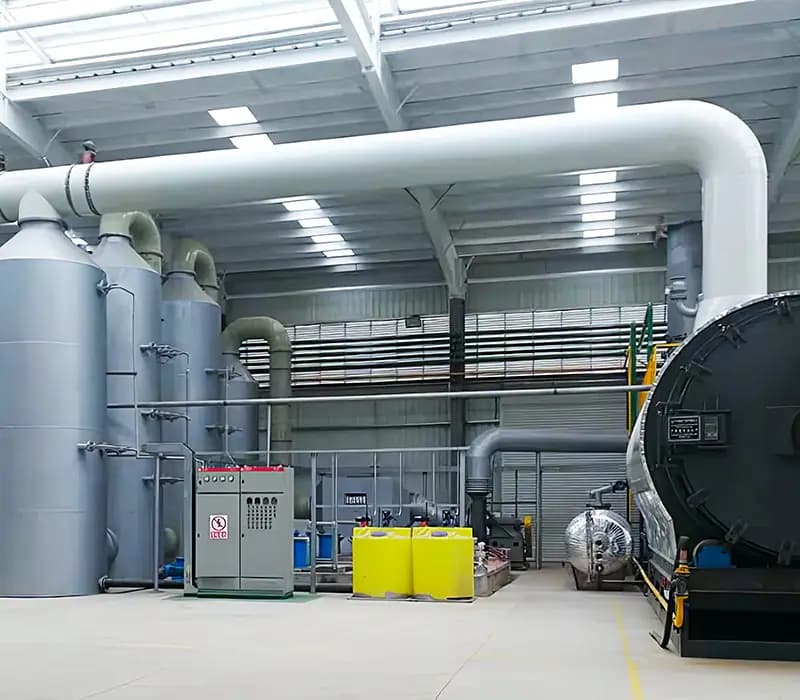
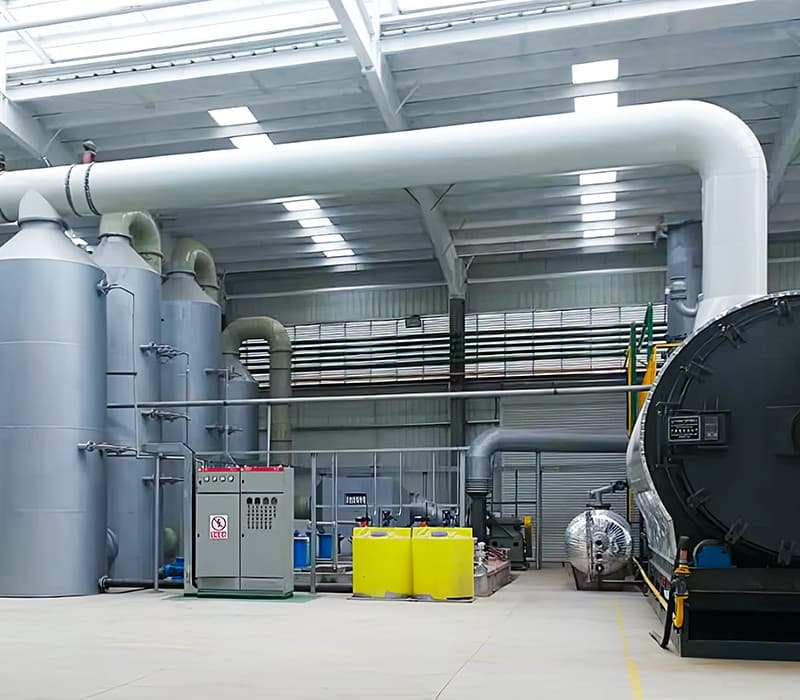
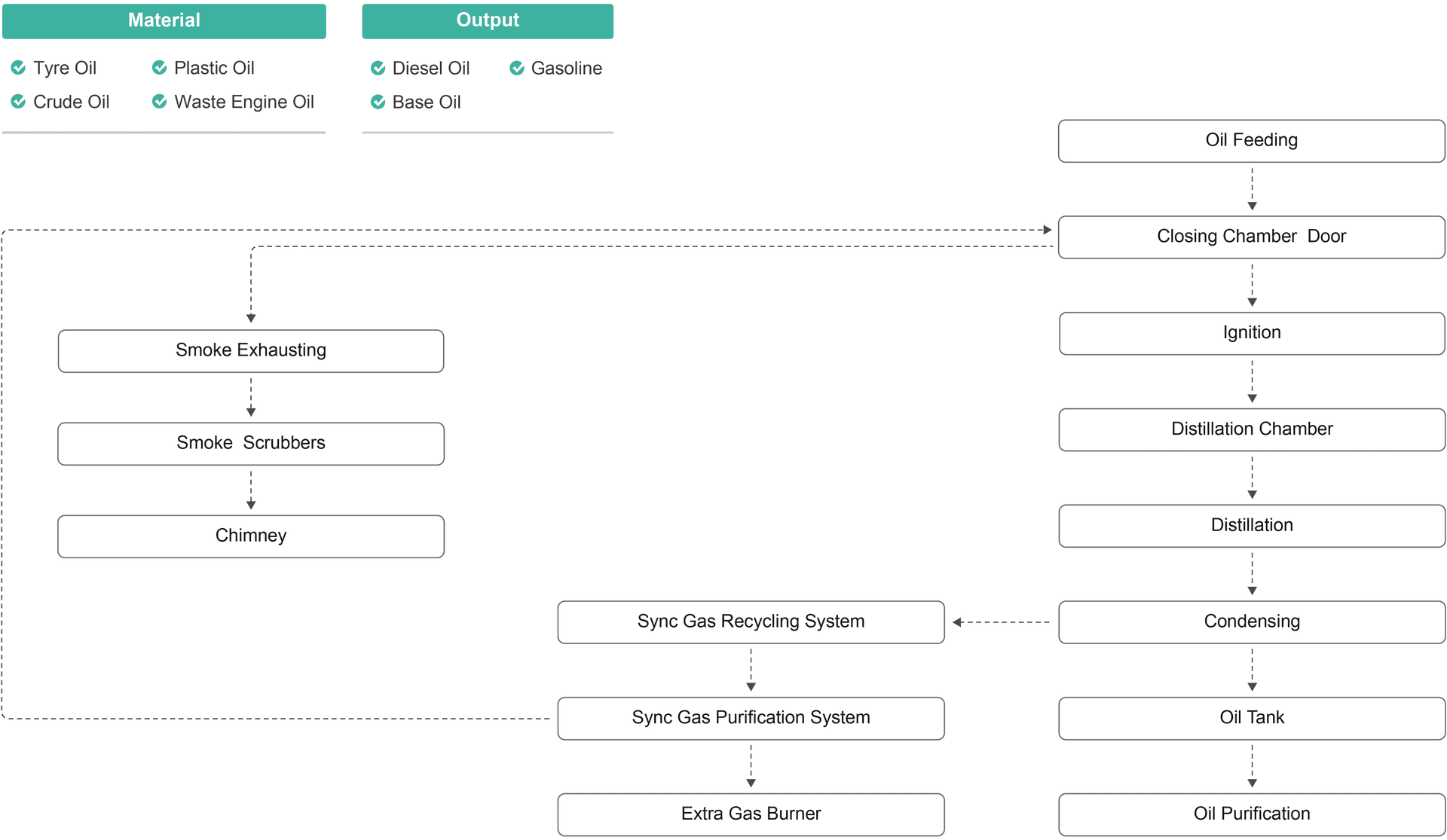
Tyre and plastic pyrolysis oils can differ in water, solids, sulfur, chlorine, stability and boiling distribution. A distillation plant must be configured from representative oil analysis and the required product specification, rather than from feed name alone.
Compare the combined-pressure equipment family.
Open Vacuum distillation plant range Atmospheric pyrolysis oil distillationCompare an atmospheric-only route for suitable oil.
Open Atmospheric pyrolysis oil distillation Continuous tyre pyrolysis plantReview upstream production of tyre pyrolysis oil.
Open Continuous tyre pyrolysis plant Plastic pyrolysis oil guideRead the feedstock, equipment and refining overview.
Open Plastic pyrolysis oil guide