
Waste Oil Distillation Machine Manufacturer
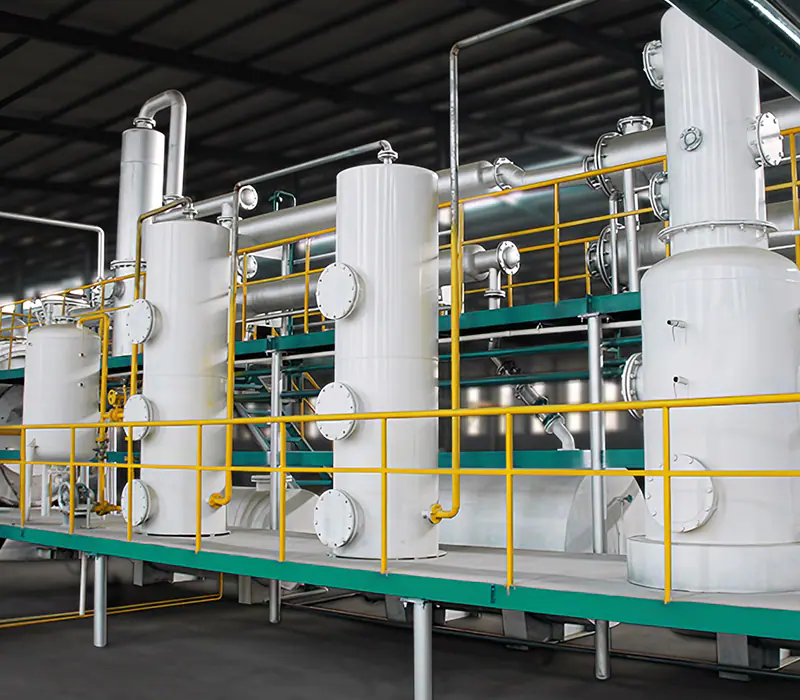
Our waste oil distillation equipment is a cutting-edge solution engineered to convert various waste oils-including engine oil, hydraulic oil, and lubricant oil-into high-purity, reusable fuels. Utilizing low-temperature catalytic distillation technology, the system offers energy efficiency while preserving the integrity and performance of the recovered oil.
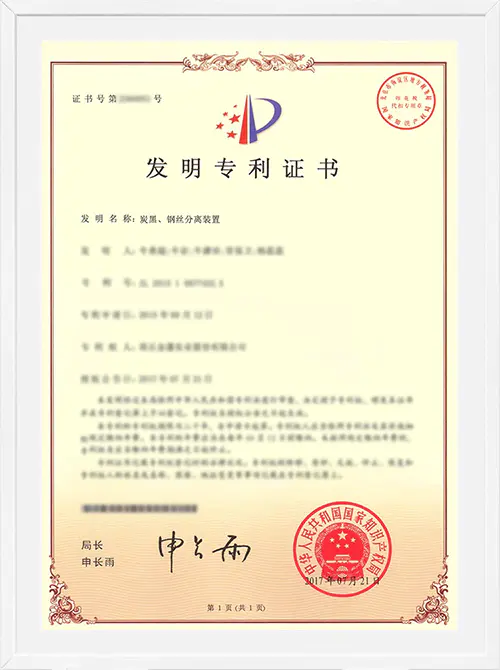
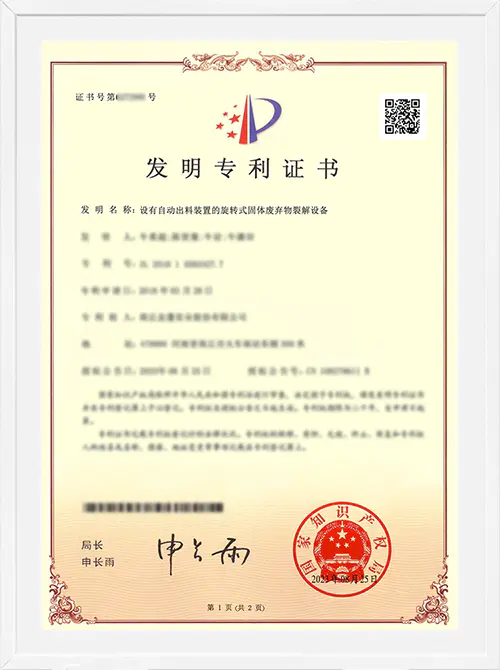
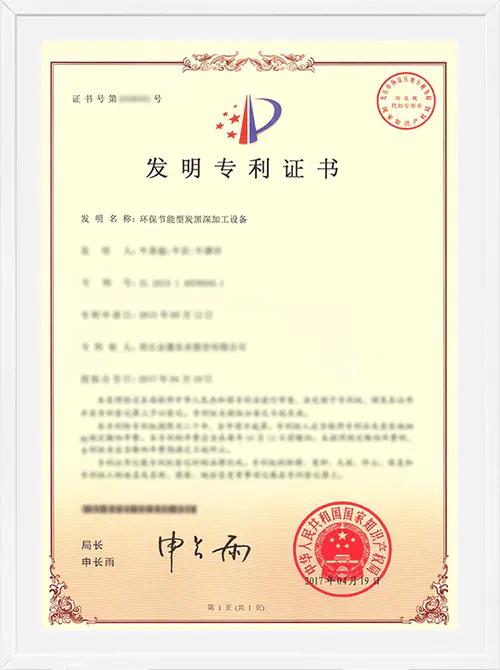
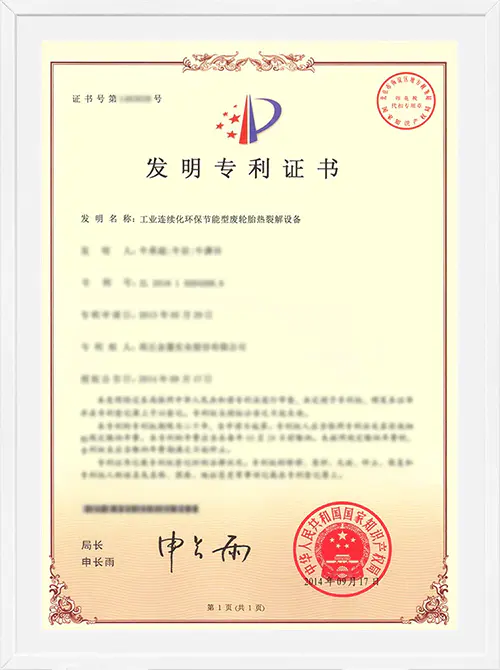
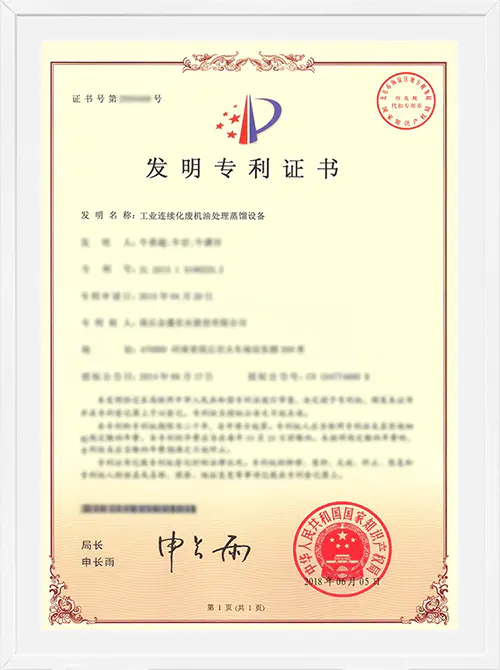
One of the standout features is the patented water-film desulfurization system, which effectively removes sulfur and other harmful impurities from the oil, resulting in cleaner fuel output and reduced environmental impact. The entire process is tightly controlled through an automated safety system, ensuring stable operation, leak prevention, and operator safety. With an impressive oil recovery yield of 80-90%, the equipment maximizes economic return while minimizing waste. All systems are designed in compliance with ISO and CE certifications, guaranteeing reliability, quality, and compliance with international standards.
Distillation equipment is developed with eco-efficiency at its core:
Zero wastewater discharge
Low emissions, meeting or exceeding local environmental regulations
Closed-loop operation significantly reduces operational risks and environmental footprint
Whether for use in industrial recycling plants, vehicle service centers, or waste management facilities, our distillation equipment provides a sustainable and profitable solution to the growing challenge of waste oil disposal and fuel recovery.
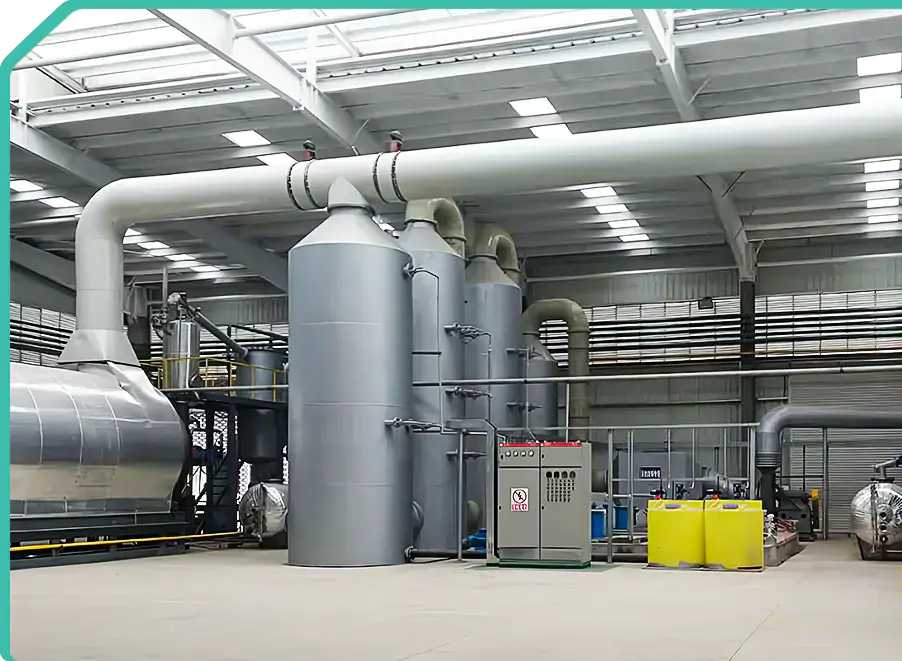
-
The system specializes in recycling waste lubricants (e.g., engine oil, gear oil) through low-temperature catalytic pyro...View More
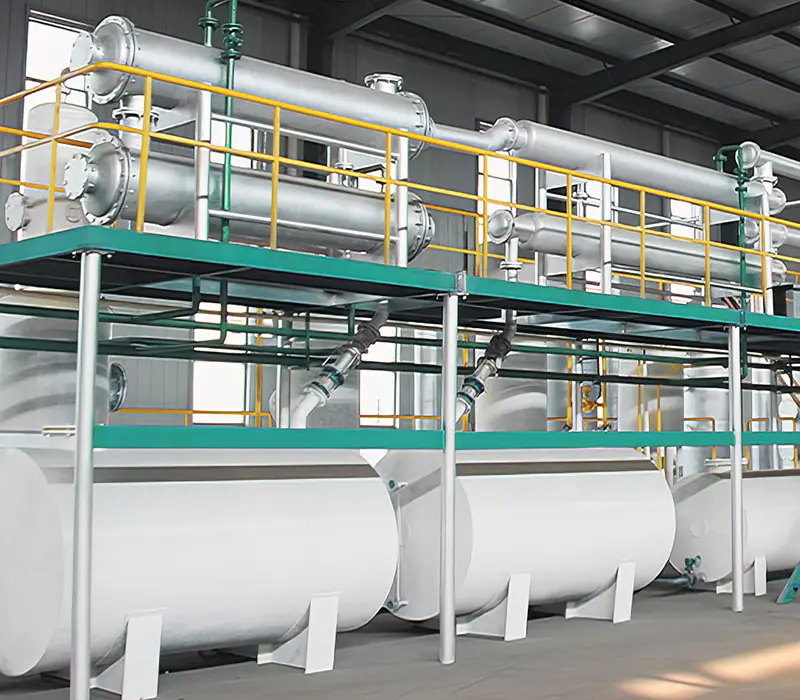
-
Designed for refining pyrolysis oils (e.g., from tires/plastics), this system employs catalytic upgrading to stabilize u...View More
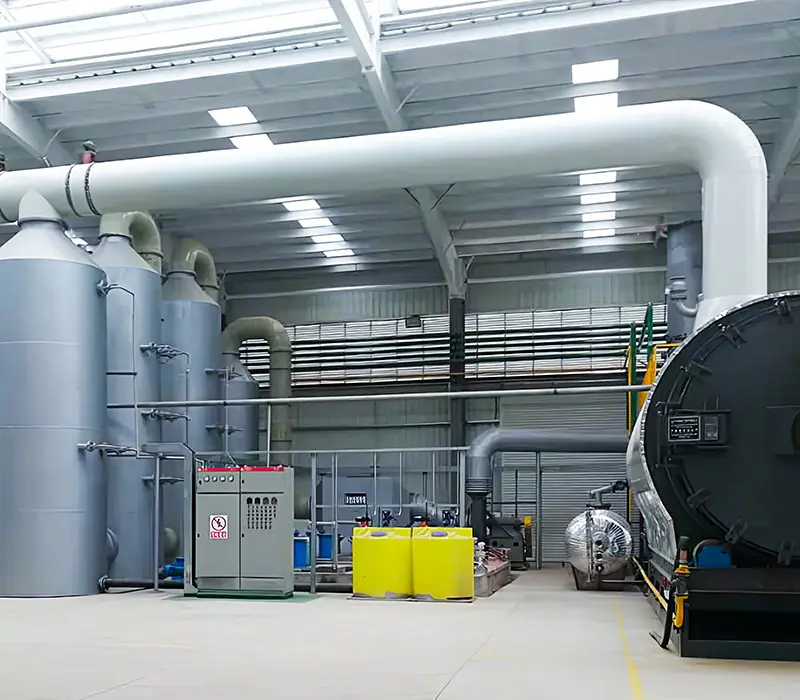
-
This specialized system processes waste engine oil into high-purity fuel oil through catalytic reforming and multi-stage...View More
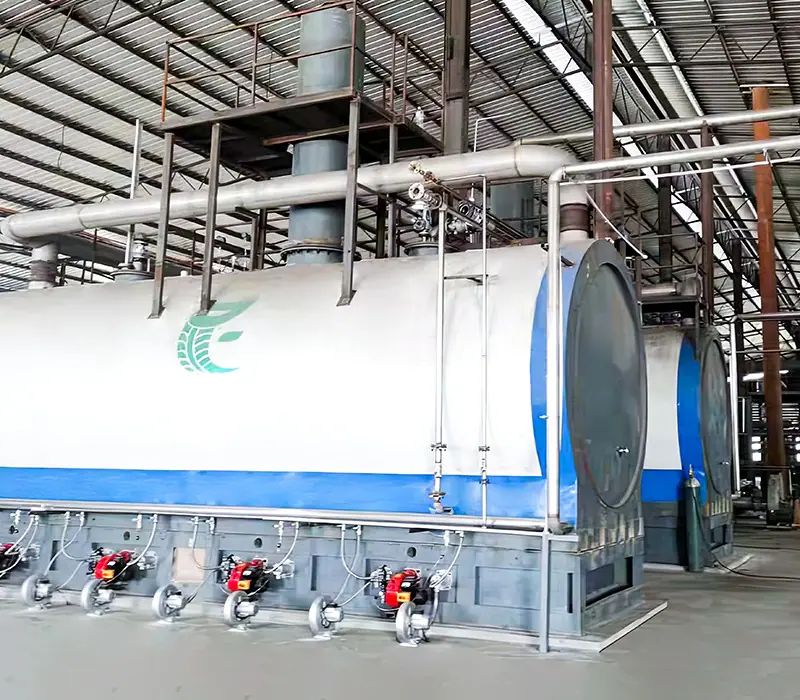
-
Optimized for refining pyrolysis oil from plastics/rubber and other materials, this system employs pre-filtration and th...View More


Company was founded
Better Tech Makes Cleaner Products
-
2026-07-20"Batch or continuous - which one is better?" This is the question we hear most often, and the hardest one to answer directly. Because they are not "good vs. better" - they are two designs built for di...Read technical article
-
2026-07-17What a Biochar Making Machine Actually Does Feed biomass in one end, get a stable carbon-rich solid out the other - that's the short version. A biochar making machine seals raw material inside a cham...Read technical article
-
2026-07-07What Plastic Pyrolysis Oil Actually Is Heat waste plastic to somewhere between 300°C and 500°C with no oxygen in the reactor, and the long polymer chains don't burn, they break apart. That thermal br...Read technical article
-
2026-07-02The Critical Role of Tire Shredders in Waste Management Tire shredders are the foundational machinery in the rubber recycling industry, transforming bulky, non-biodegradable waste into manageable raw...Read technical article
Can Pyrojin's Waste Oil Distillation Plant Operate Safely in Extreme Weather Conditions?
In an era where sustainability intersects with industrial efficiency, the reliability of waste oil distillation equipment is paramount. Pyrojin, a global innovator in waste-to-energy solutions, offers waste oil catalytic distillation machinery and plants engineered for maximum safety, resilience, and environmental compliance. With ISO 9001:2015, ISO 14001:2015, and CE certifications, the company’s solutions empower industries worldwide to achieve circular economy goals without compromising operational integrity.
Engineering Resilience into Every System
Pyrojin’s waste oil distillation plants-ranging from full-scale industrial waste oil distillation plants to compact waste oil distillation machines-are designed with resilience at their core. Utilizing low-temperature catalytic distillation technology, these systems efficiently convert used engine oil, hydraulic oil, and lubricants into high-purity, reusable fuels. The process preserves oil integrity while maintaining high energy efficiency, even under extreme operational conditions.
A standout feature is the patented water-film desulfurization system, which eliminates sulfur and other harmful impurities from the recovered fuel. By producing cleaner output, the system not only enhances the economic value of recycled oil but also minimizes environmental impact-critical during harsh weather, when emissions management is most challenging.
Automated Safety for Unpredictable Conditions
Safety under extreme weather is not incidental-it is engineered. Pyrojin’s plants are equipped with advanced automated control systems that continuously monitor pressure, temperature, and operational flow. These systems prevent leaks, stabilize operations, and reduce the risk of human error. Micro-negative pressure technology and closed-loop operation further mitigate the risks associated with volatile environmental conditions, ensuring the plant remains secure regardless of storms, heatwaves, or sub-zero temperatures.
High Recovery and Operational Efficiency
Even in extreme conditions, the equipment delivers an impressive oil recovery yield of 80-90%, maximizing profitability while reducing waste. Closed-loop designs prevent emissions and wastewater discharge, meeting or exceeding local environmental regulations. These measures not only safeguard operators but also protect surrounding communities and ecosystems, demonstrating that efficiency and safety can coexist.
Adaptability Across Facilities
From industrial recycling plants to vehicle service centers, Pyrojin’s solutions are adaptable to diverse operational environments. The waste engine oil distillation plant offers specialized processing for high-value engine oils, while the waste oil catalytic distillation machinery ensures superior desulfurization and impurity removal. This versatility allows operators to maintain consistent, high-quality output, even when external conditions are less than ideal.
Conclusion
Pyrojin has designed its waste oil distillation plants to withstand the unpredictable nature of extreme weather without compromising safety, efficiency, or environmental standards. Combining advanced catalytic technology, automated safety protocols, and eco-conscious engineering, these systems represent a benchmark in industrial waste oil recovery. For industries seeking a reliable, high-performance, and resilient solution, Pyrojin’s waste oil distillation plants offer both peace of mind and measurable returns.
