Batch processing systems

Batch Pyrolysis Plants

Compare batch pyrolysis plants for tyres, plastics, medical waste, municipal or excavated landfill waste, oil sludge and biomass.

2026-07-20
Batch equipment decision guide

Where a batch pyrolysis plant fits

A batch pyrolysis plant processes a defined charge through a complete operating cycle. It is a practical route to evaluate when daily volume is moderate, feed campaigns may change, or a project needs a flexible loading plan instead of a permanently metered production line.

Selection still starts with representative material data. Moisture, ash, halogens, metals, oil-water-solids balance and the required product specifications determine preparation, gas handling, condensation and residue management.

Published family range*
1-20 t/day
Operating pattern
Cycle-based
Material routes
6
Best-fit conditions

Use cases that justify a batch evaluation

Variable campaigns

The plant will process different qualified feed campaigns, with inspection or changeover between cycles.

Moderate or staged throughput

The required daily volume is within the batch family range, or capacity will be developed in planned stages.

Flexible material handling

The site benefits from a defined loading window rather than continuous size-controlled metering.

Side-by-side selection

Batch vs continuous pyrolysis plants

Use this table to frame the engineering review. The right operating mode depends on the full material and site system, not one headline advantage.

Comparison of batch and continuous pyrolysis plant planning factors
Decision factorBatch plantContinuous plant
Operating patternA measured charge moves through loading, heating, recovery, cooling and discharge before the next cycle.Prepared material is metered into an integrated line while products and solids are removed during sustained operation.
Published family range*1-20 t/day20-50 t/day
Feed behaviourCan be evaluated for variable campaigns or feedstocks that need a more flexible loading plan.Best evaluated when feed composition, size and delivery rate can remain within a controlled operating window.
Preparation emphasisPreparation remains material-specific, but the line can accommodate a wider range of charging plans.Stable metering makes particle size, moisture, contaminants and upstream preparation especially important.
Maintenance rhythmInspection and planned service can be coordinated between production cycles.Maintenance windows, wear parts and standby strategy must be planned around the annual operating schedule.
Project focusCycle time, loading and discharge, cooling, labour plan and campaign changeover.Feed preparation, sealed transfer, process stability, continuous discharge and line availability.

*Published equipment-family ranges are orientation points, not guaranteed project performance. Confirm usable throughput, cycle or availability assumptions and acceptance methods in project-specific engineering documents.

Operating plan

Plan the complete operating cycle

  1. 01

    Qualify and load

    Sample the feed, confirm acceptance limits, prepare it as required, then load and seal the reactor.

  2. 02

    Heat and recover

    Control the thermal profile while routing vapour through condensation and handling non-condensable gas safely.

  3. 03

    Cool and discharge

    Reach the documented safe condition before opening, removing solids and transferring recovered products.

  4. 04

    Inspect and restart

    Check sealing surfaces, wear points and the cycle record before approving the next charge.

Material routes

Batch pyrolysis equipment by material

Open the page that matches the actual feedstock. Each route has different acceptance, preparation, output and compliance questions.

PRODUCT CATEGORY

Batch Pyrolysis Plant Manufacturer

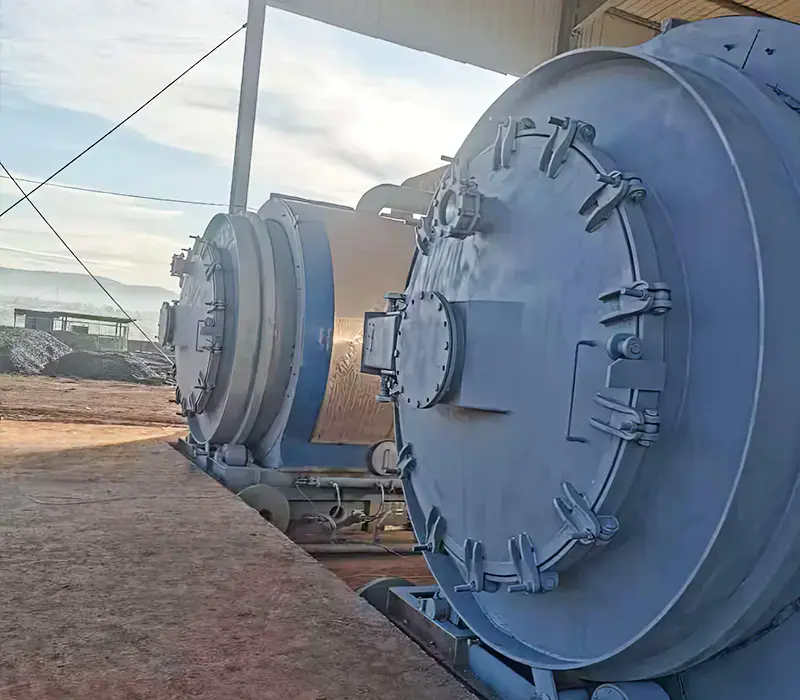
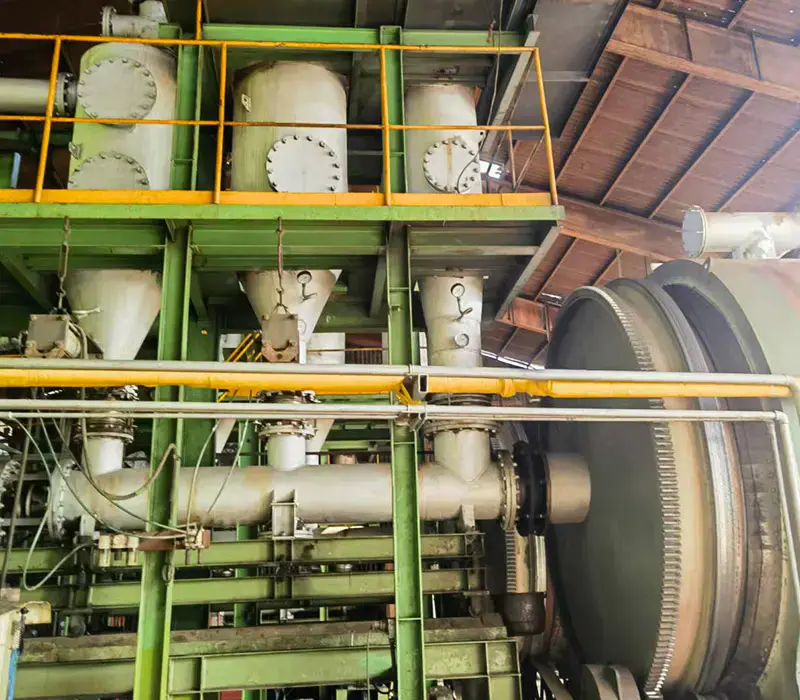
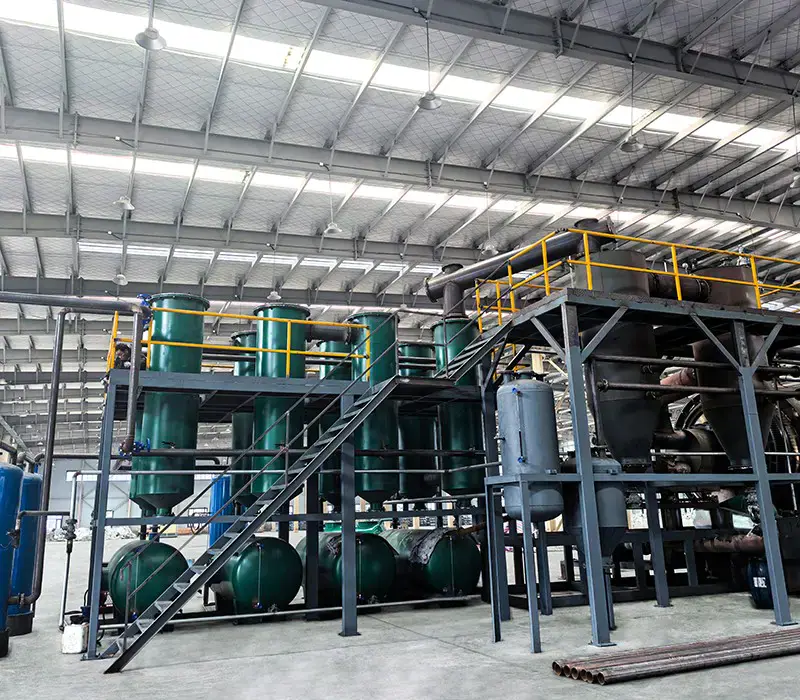
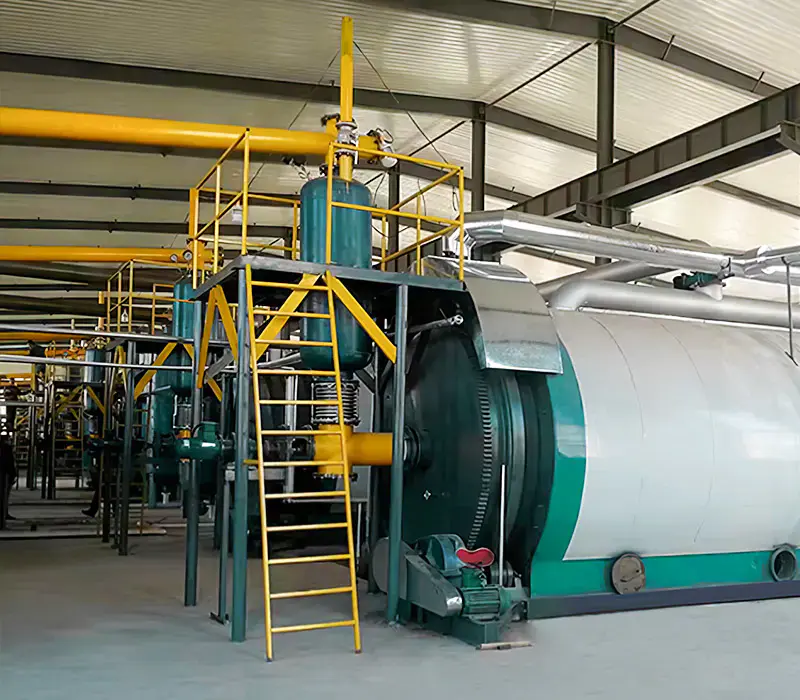
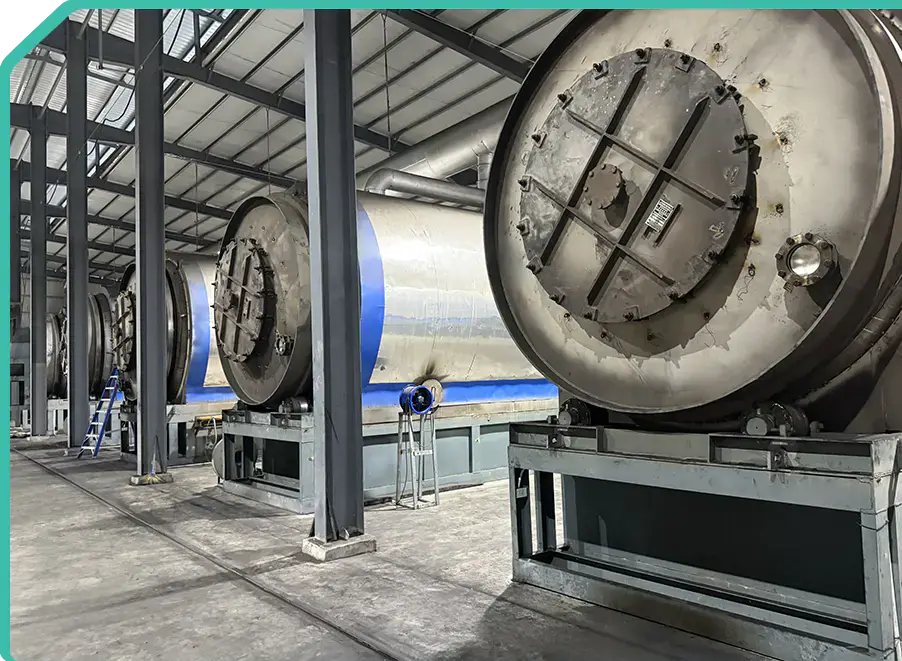
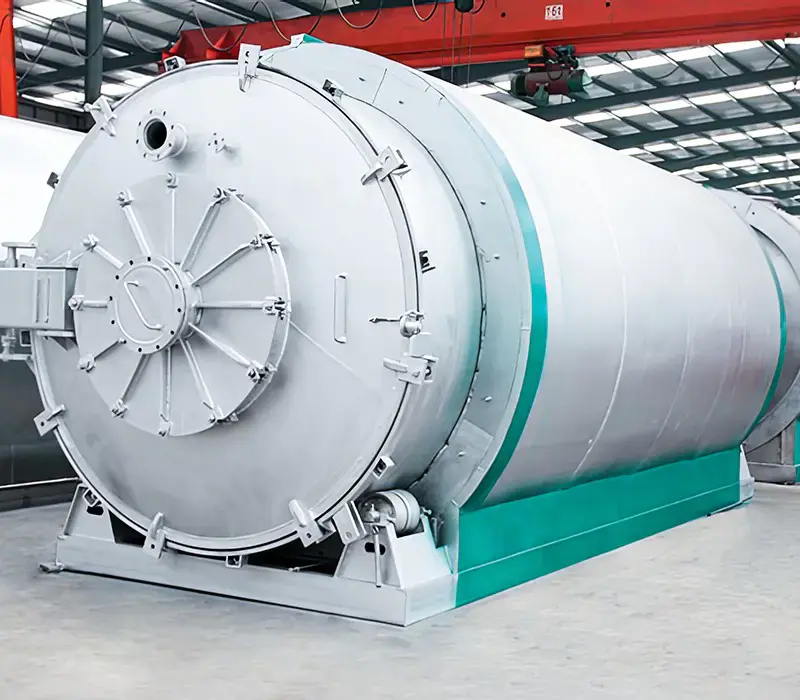
The batch pyrolysis plant (PB) is relatively flexible and suitable for small - and medium-scale waste recycling. It processes waste tires/plastics and other materials into fuel oil, handling 1-20 tons daily. Designed for flexibility, it combines robust anti-fire material, direct/indirect heating, and ≤85dB operation. Safety features include explosion-proof systems and water seals, enabling small-scale, eco-friendly production.
Equipped with explosion-proof devices, water seal systems, safety valves, and high-temperature alarm systems, it effectively prevents flammable gas leakage and system overpressure problems. All electrical parts adopt fireproof and explosion-proof design, which can be used in areas or industries with high safety standards.
It supports direct combustion and indirect heating modes, and is compatible with energy forms such as fuel oil, natural gas, and combustible gas recycling.
The system operating noise is ≤85dB, which is suitable for deployment in environmentally friendly places close to cities, factories, or residential areas.
Batch Pyrolysis Equipment
Jinpeng Industrial Co., Ltd. (Pyrojin)
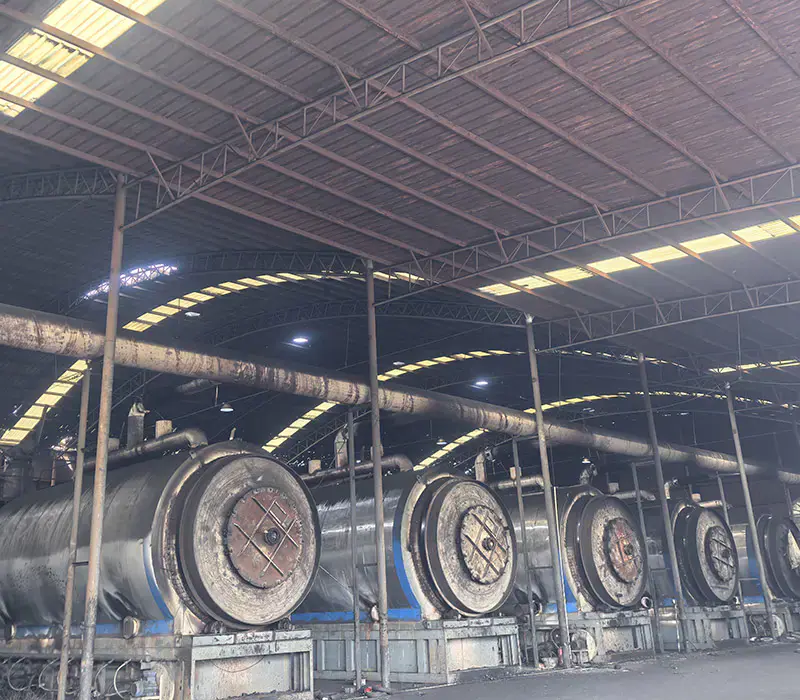
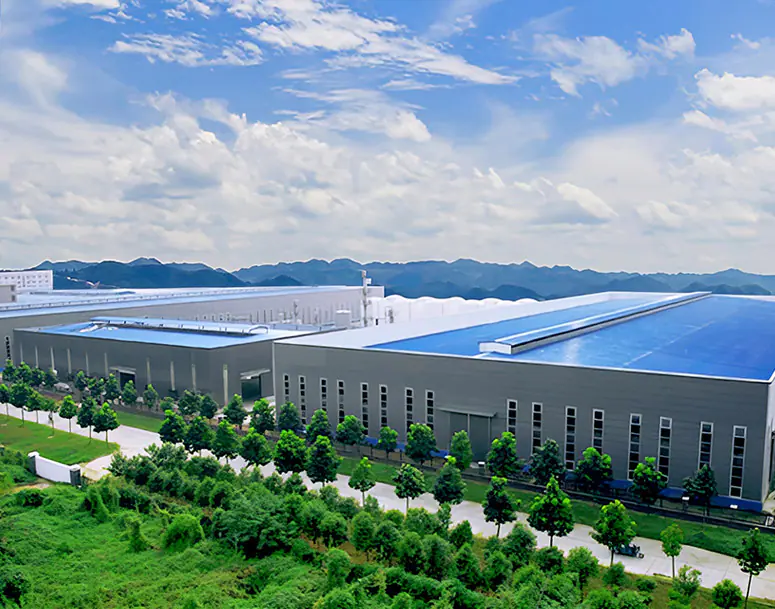
Pyrojin equipment and project
2008

Company was founded

ABOUT US
Jinpeng Industrial Co., Ltd. (Pyrojin)
Better Tech Makes Cleaner Products
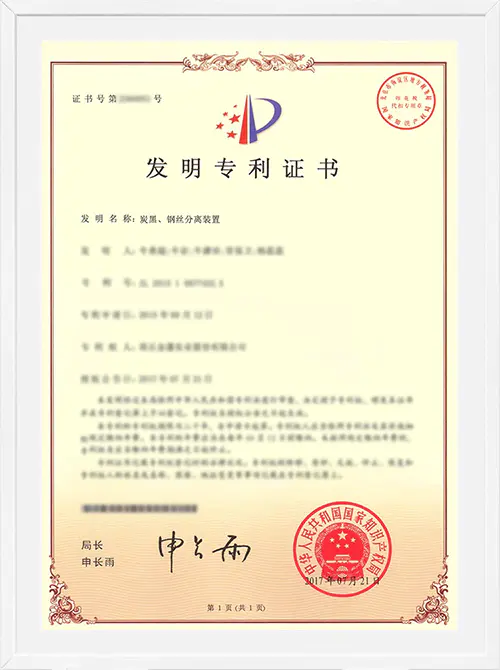
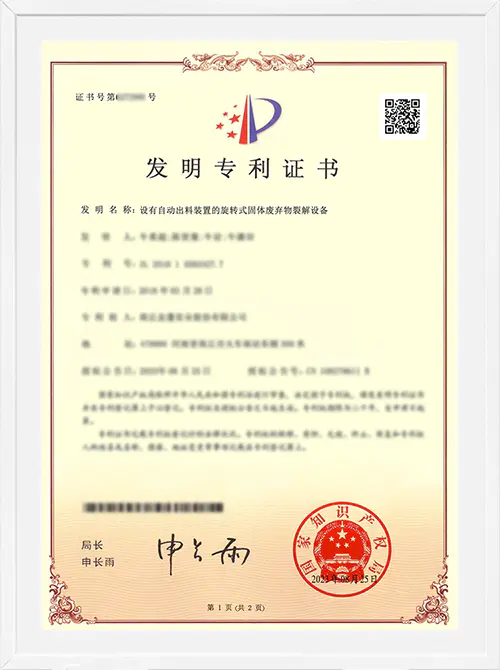
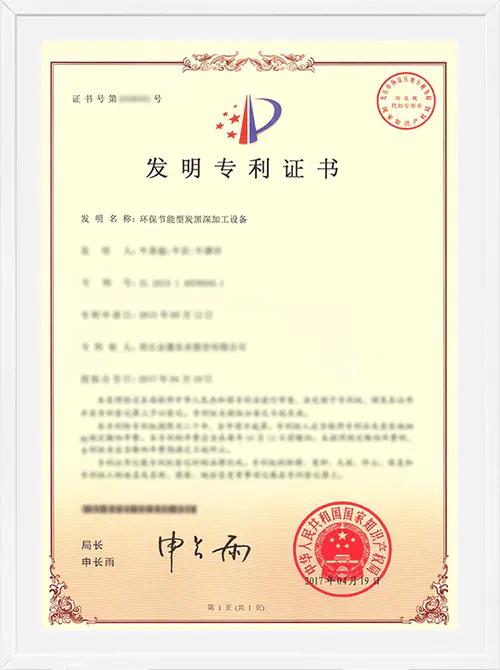
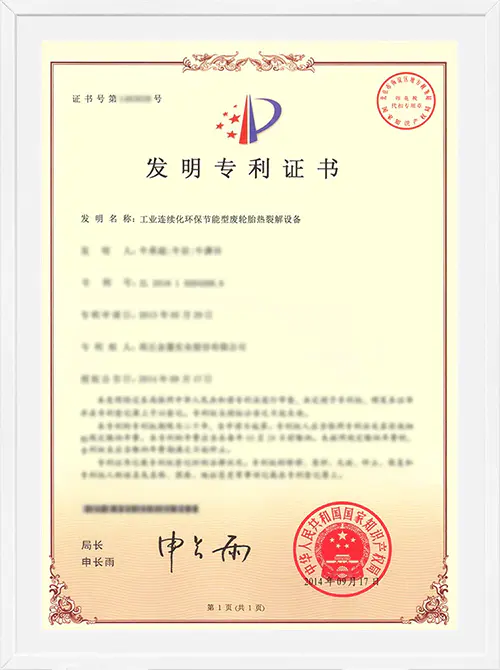
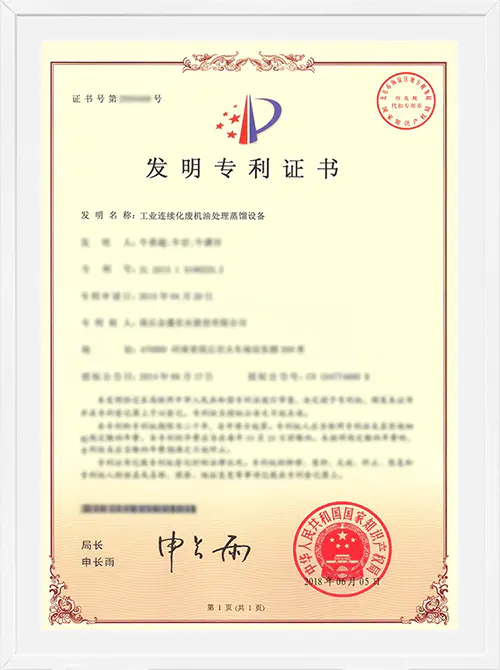
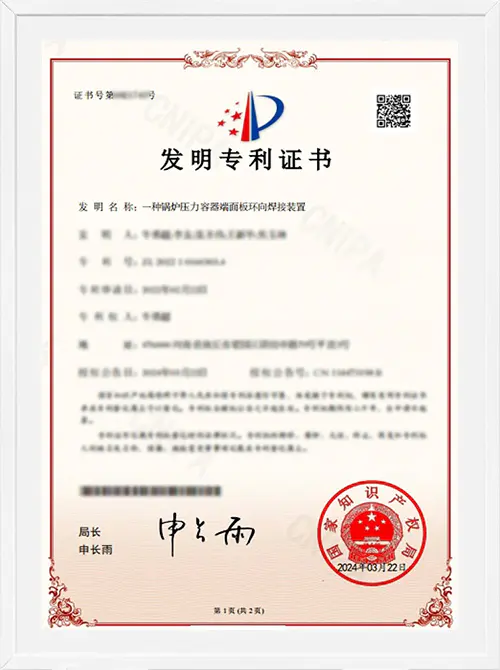
Jinpeng Industrial Co., Ltd. (Pyrojin): Innovating Global Waste-to-Energy Solutions. Batch Pyrolysis Plant Manufacturers and Batch Pyrolysis Equipment Suppliers in China. Specializing in R&D and manufacturing of waste resource utilization equipment, our solutions support waste-resource projects worldwide. Company-level certification and patent documents are published for review; applicability must be confirmed for the selected equipment model and project
  • Carbon Black And Steel Wire Separator
  • Waste Pyrolysis Equipment With Auto Feeding Device
  • Environmental Protection And Energy-Saving Carbon Black Deep Processing Equipment
  • Save Energy Continuous Environmental Friendly Waste Tyre  Pyrolysis Plant
  • Industrial Continuous Waste Oil Treatment Distillation Equipment
  • A Device For Circumferential Welding Of End Panels Of Boiler Pressure Vessels
Contact Us
NEWS ARTICLE
Update News
INDUSTRY KNOWLEDGE
Industry Knowledge

Introduction to Batch Pyrolysis Plant

A Batch Pyrolysis Plant (PB) is a highly flexible and efficient system designed for small- and medium-scale waste recycling. It processes various waste materials, including tires, plastics, and other organic waste, converting them into valuable products like fuel oil, carbon black, and gas. This technology provides an environmentally friendly solution for managing waste while creating useful by-products.

Working Principle of Batch Pyrolysis Equipment

Batch pyrolysis equipment operates on the principle of thermal decomposition in the absence of oxygen. In a typical batch process, waste materials are heated inside a sealed reactor, where they break down into smaller components. The process involves three main stages:

  • Heating: The waste materials are heated to high temperatures, typically between 300°C and 800°C, in a sealed reactor.
  • Pyrolysis: At high temperatures, the organic materials decompose, producing fuel oil, gas, and carbon black as by-products.
  • Cooling: Once the process is complete, the reactor is cooled to allow the collection of the solid and liquid products.

The ability to control the temperature and heating time makes batch pyrolysis highly adaptable for different types of waste, giving it an edge over continuous systems for smaller, variable-scale operations.

Applications of Batch Pyrolysis Plant

Batch pyrolysis is used primarily for recycling solid waste materials into valuable products. The most common materials processed include:

  • Waste Tires: Used tires are one of the most common feedstocks for pyrolysis plants, which convert them into fuel oil, carbon black, and gas.
  • Plastics: Plastics, especially non-recyclable ones, can be converted into oil or gas, reducing plastic waste and providing alternative energy sources.
  • Organic Waste: Other organic materials like agricultural waste, rubber, and wood can also be processed into bio-oil and biochar.

The products generated by batch pyrolysis include:

  • Fuel Oil: A high-quality oil that can be used as a substitute for diesel in industrial machines or engines.
  • Carbon Black: A valuable product used in the manufacture of rubber, inks, and other industrial products.
  • Synthetic Gas: A combustible gas that can be used to generate heat or power the pyrolysis process itself.

Advantages of Batch Pyrolysis Plant

The batch pyrolysis plant offers several benefits for small and medium-scale waste recycling operations:

  • Flexibility: The batch system can be easily adapted to handle various types of waste materials, making it suitable for different industries and waste types.
  • Cost-Effective: Due to its small-scale nature, the batch pyrolysis plant is a more affordable option for businesses looking to enter the waste recycling industry.
  • Minimal Environmental Impact: The process generates fewer emissions compared to traditional waste disposal methods, helping to reduce pollution.
  • Energy Efficiency: The system can be powered using the gases produced during the pyrolysis process, improving overall energy efficiency.

Key Considerations When Setting Up a Batch Pyrolysis Plant

Before setting up a batch pyrolysis plant, several factors need to be considered:

  • Feedstock Availability: It is essential to have a consistent supply of waste materials, such as tires, plastics, or organic waste, to keep the plant running efficiently.
  • Technology and Equipment: The quality of the pyrolysis equipment is crucial for ensuring high yields of fuel oil and other by-products.
  • Regulatory Compliance: Operators must ensure they comply with local environmental regulations and safety standards during the setup and operation of the plant.
  • Operational Costs: Aside from the initial investment, maintenance costs, energy consumption, and labor expenses should be factored in when evaluating the financial viability of the plant.

Conclusion

Batch pyrolysis plants offer a viable solution for small to medium-scale recycling operations. Their ability to convert waste materials like tires and plastics into valuable by-products such as fuel oil and carbon black makes them an attractive option for businesses looking to reduce waste and generate alternative energy. With the right equipment and a well-planned setup, batch pyrolysis can provide both economic and environmental benefits.

Pyrojin equipment and project
Tyre project pathway

Continue through the tyre pyrolysis evidence chain

Move between equipment selection, preparation, project records and downstream processing without losing the project context.

Project enquiry

Need configuration advice for your feedstock?

Contact Pyrojin