
An oil sludge batch pyrolysis plant should be specified around a characterized sludge batch, not the phrase “oil sludge” alone. Refinery tank bottoms, oily treatment residues and other industrial sludges can differ in water, hydrocarbons, mineral solids and contaminants. A batch system may form one defined subsystem within an industrial waste recycling plant; it is not a universal treatment line for all industrial waste.
1. Define the batch before selecting equipment
Provide the sludge source, sampling history, oil/water/solids analysis and expected variation between deliveries. Identify free liquid, settled material and foreign objects separately. Ask whether separation or other preparation should precede thermal treatment. A sample from the upper liquid layer cannot automatically represent settled tank material. Keep the proposed feed envelope attached to the quotation and acceptance plan.
2. Agree the whole batch-cycle boundary
Compare capacity using the complete planned cycle, including loading, heating, treatment, cooling and preparation for the next batch. Distinguish wet sludge charged from hydrocarbon recovered and dry residue produced. Utilities and staffing assumptions must use the same cycle boundary. Reactor pressure, heating arrangements and construction details should come from the agreed design documents; conflicting catalogue descriptions are not a basis for choosing a pressure value.
3. Test liquids and residues independently
Recoverable liquids require analysis against the intended receiver's specification. Separated water, non-condensable gas and solid residues need their own identified routes. Do not describe the solid automatically as non-hazardous mineral material or a saleable carbon product. The US EPA distinguishes listed wastes from wastes identified by hazardous characteristics; this is a US classification reference, not a worldwide determination for a particular sludge.
4. Request a testable supply scope
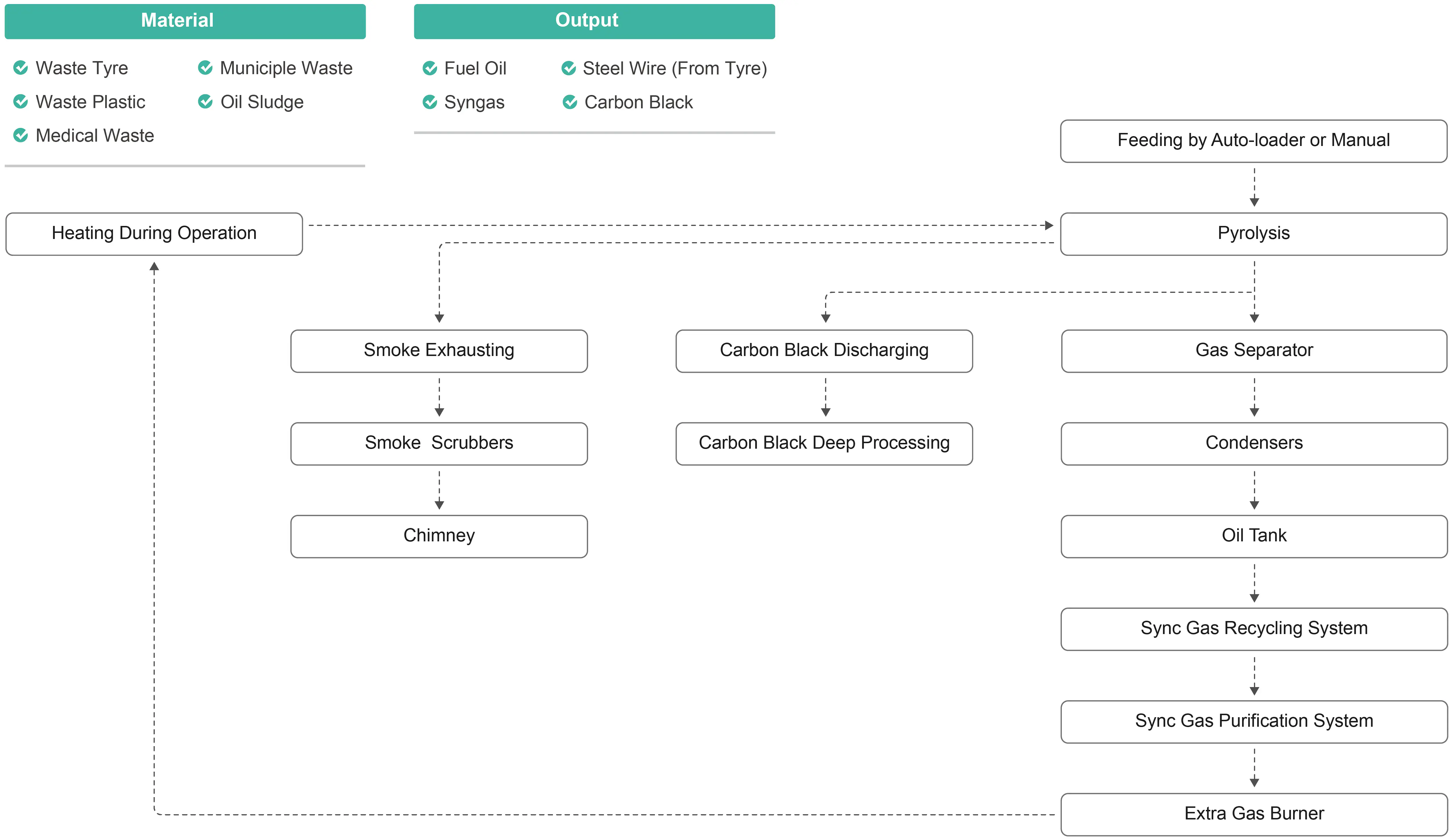
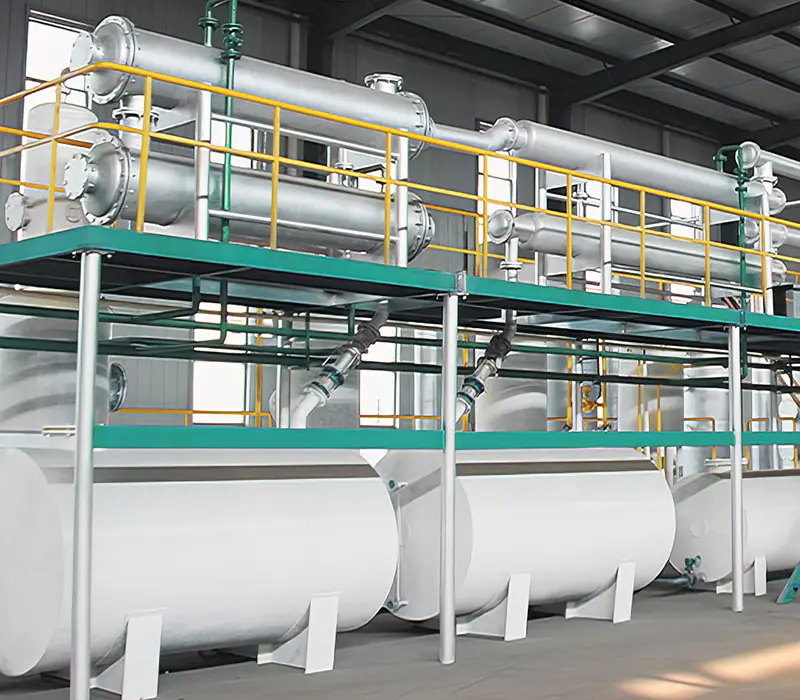
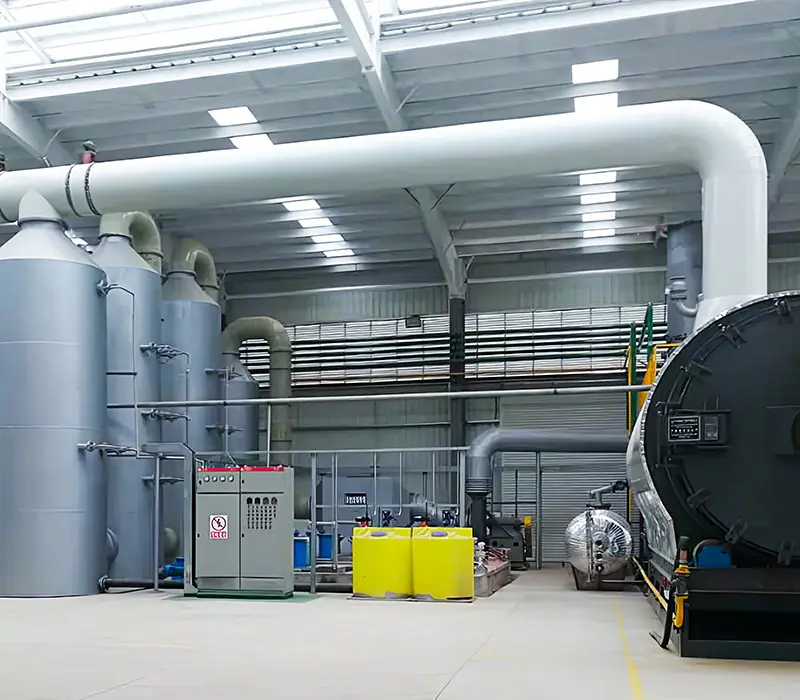
Ask which party supplies preparation, feeding, condensation, gas treatment, residue handling, utilities and environmental controls. The evidence package should connect the tested batch to its material balance, energy records and output analyses. Record the sampling basis behind any recovery percentage. Compare external fuel and power over the whole cycle before considering an energy-saving claim. Local requirements and the operating site's safety arrangements remain separate from equipment delivery.
Does wet sludge always avoid drying?
No. Preparation depends on the actual mixture, equipment design and downstream requirements; any avoided-drying claim needs a matched comparison.
Is recovered oil ready for sale?
Only the relevant analysis and receiver acceptance can establish an outlet. Recovery is not fuel certification.
What should accompany an enquiry?
Send non-sensitive composition data, batch quantities, variability, location, proposed liquid outlet and available residue-classification evidence.