
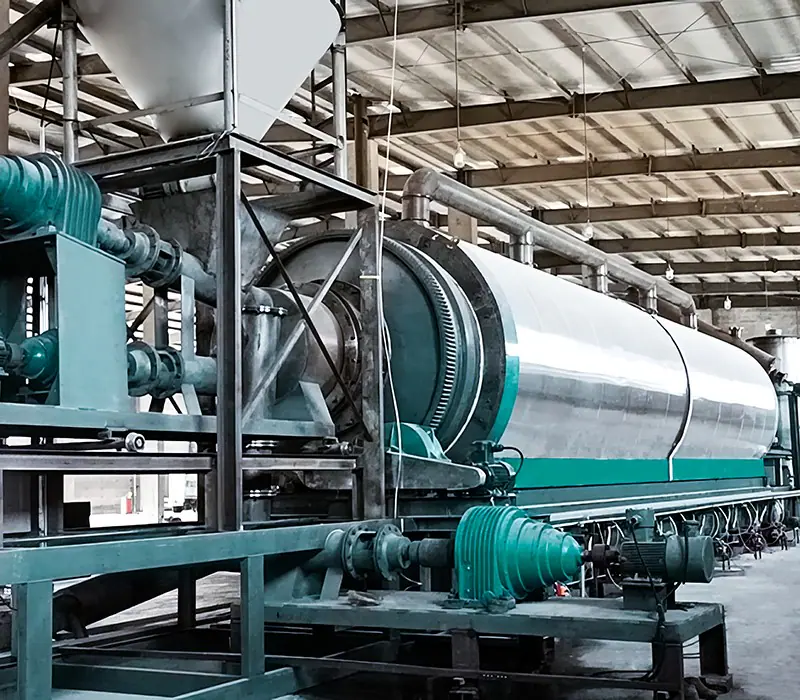
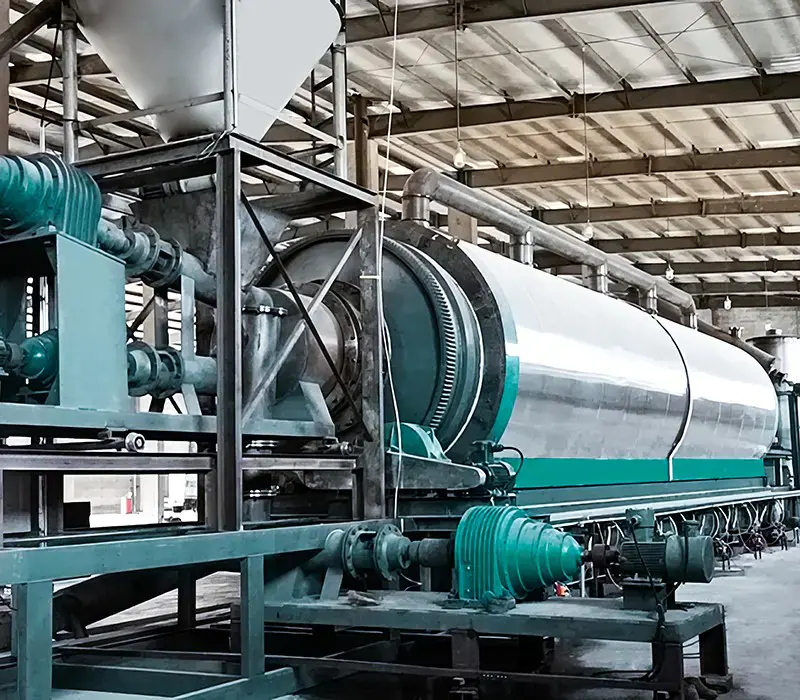
A continuous biomass pyrolysis plant should be selected for a defined feedstock and output objective. Continuous feeding describes how material enters the process; it does not by itself establish fast pyrolysis, a liquid-focused process or a particular yield. Start by deciding whether the project prioritizes char, a liquid intermediate or useful energy, then examine the equipment and evidence needed for that objective.
1. Match feeding to the actual biomass
Record seasonal variation in moisture, particle-size distribution, bulk density and contamination. Ask how the proposed feeder was tested with the selected material, including irregular or fibrous pieces. Storage and preparation must deliver the agreed feed, while rejected material needs a separate route. A nominal processing rate cannot be transferred from one residue to another without its test basis.
2. Specify the intended process, not just its label
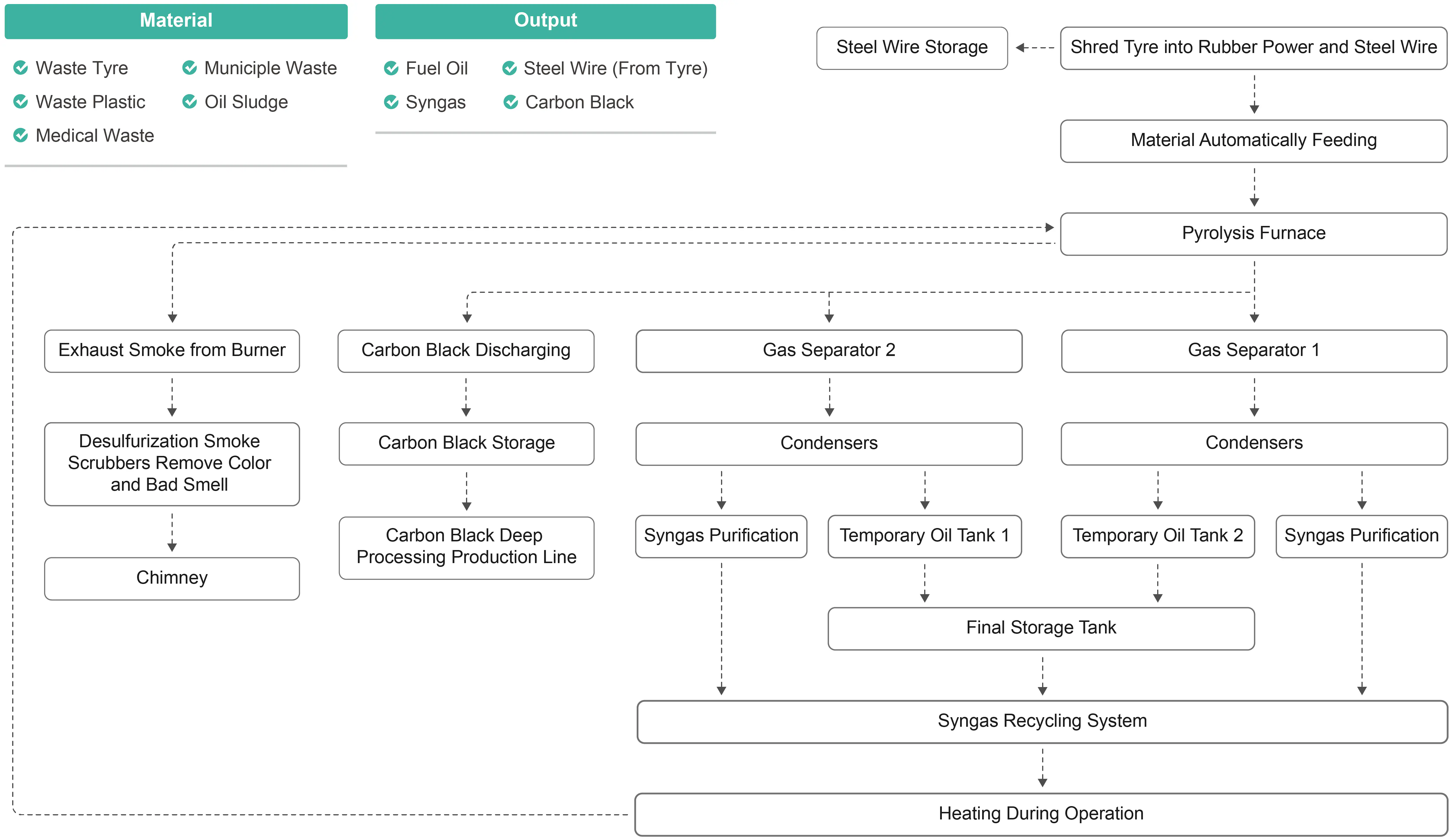
Ask the supplier to state the process objective, heating arrangement, relevant residence-time definitions and the basis of the output estimate. Identify where gas, condensable vapours and solids leave the supplied package. If liquid production is the priority, request evidence for the vapour-handling and collection arrangement. Do not assume a generic continuous reactor has a verified quench system or fast-heating performance.
3. Verify the downstream product route
Raw biomass pyrolysis liquid is not automatically a finished transport fuel. DOE describes bio-oil cleanup and upgrading as distinct processing steps.
Specify receiver requirements and representative analyses for the actual liquid, char and gas. The National Laboratory of the Rockies provides separate analytical resources for biomass and bio-oils; their existence does not certify a supplier's product.
4. Define any energy-delivery boundary
A biomass waste to energy plant needs an identified energy user and equipment beyond the conversion vessel. Distinguish process heating from usable exported heat and electricity. Ask for temperatures or conditions required by the heat user, utility interfaces and responsibility for any generating equipment. Compare startup, steady operation and downtime in the energy balance. Internal gas reuse does not demonstrate self-sufficiency, a fixed saving or a surplus available for sale.
Does continuous mean fast pyrolysis?
No. Feeding mode and thermal-process conditions describe different aspects of the system.
Is bio-oil always the primary product?
No. The feed, design and chosen objective must support the claimed product distribution.
What should be compared with a batch option?
Feed continuity, full operating schedule, product consistency evidence, maintenance requirements and the complete utility boundary.