
Define the feed
Record source, polymer mix, physical form, contamination, moisture and delivery variation. The proposal should state the accepted feed window and the sampling or test basis used to set it.
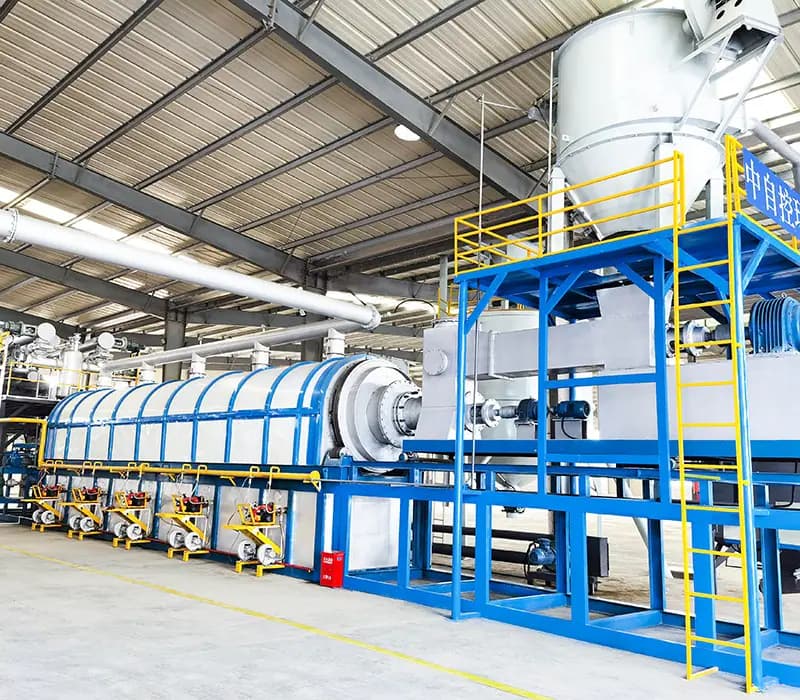
Continuous pyrolysis for characterized plastic feedstock. Polymer mix, contaminants and feed preparation determine the required process and product testing.
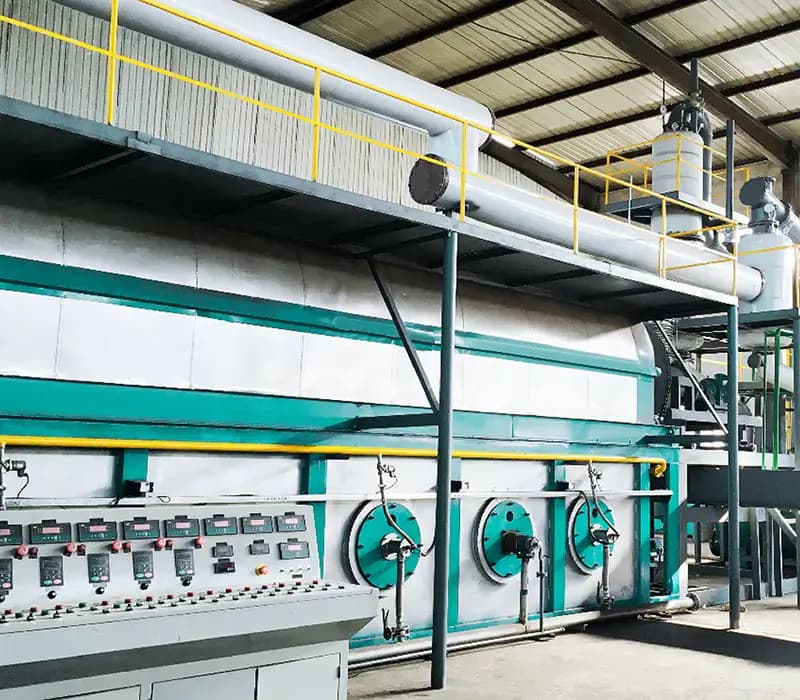
A continuous plastic pyrolysis plant is an integrated project, not a reactor selected from a daily tonnage alone. Define the incoming waste, preparation system, operating campaign, downstream products and site acceptance basis before equipment is sized.
Use this page for a continuous line built around waste plastic. The continuous equipment hub remains the family overview, while the batch plastic page covers a separate cycle-based operating route.
Each decision should connect a buyer input to a supplier document or test. Generic model labels are not enough for contract comparison.
Record source, polymer mix, physical form, contamination, moisture and delivery variation. The proposal should state the accepted feed window and the sampling or test basis used to set it.
Assign responsibility for sorting, size reduction, buffering, sealed feeding, thermal conversion, condensation, non-condensable gas, solids and residue handling—not only the reactor.
State the intended oil or condensate use and the route for solids and residues. The supplier should connect equipment choices to a project mass balance and written product or disposal criteria.
Define utilities, plot interfaces, permits, emissions controls, safety responsibilities and maintenance access, then agree how a stable run, throughput and output quality will be measured.
Send the same evidence to every supplier so configuration, scope and exclusions can be compared on one basis.
Share the material record, operating basis and site interfaces. Pyrojin can then define the equipment boundary, open assumptions and tests that must be closed before contract.
This matrix is an early project screen for representative samples, not a list of guaranteed acceptable feeds. Polymer family, additives, contamination, physical form and the required product route must be assessed together.
| Polymer stream | Screening position | Why the boundary matters | Evidence and pre-treatment to close |
|---|---|---|---|
| PEHDPE and LDPE streams | Candidate after testing | Polyethylene is a hydrocarbon-rich polyolefin, but film, rigid parts, fillers, labels and contamination can change feeding, heat transfer and products. | Report PE share, grade and form; test moisture, ash, halogens and metals; define sorting, cleaning, size reduction, blending and feeding trials. |
| PPRigid PP, woven or film streams | Candidate after testing | Polypropylene is also a polyolefin candidate, while fillers, pigments, glass fibre and mixed closures can alter residue, gas and condensate behaviour. | Quantify PP and non-PP fractions, additives and inerts; submit representative samples; confirm preparation, feedability and the intended condensate route. |
| PSRigid or expanded polystyrene | Conditional — product route first | Polystyrene can produce an aromatic and styrene-rich condensate profile that differs from polyolefin-derived oil. Expanded material also changes bulk-density and feeding design. | Separate the PS stream where practical; declare rigid or foam form, additives and flame retardants; agree the product specification and condensation route before sizing. |
| Mixed plasticsVariable post-consumer or industrial mix | Conditional — composition controls design | A mixed label does not define polymer ratios, PVC/PET carryover, brominated additives, food residue, paper, metals or delivery variation. | Provide a seasonal composition study and composite samples; sort incompatible fractions, remove metals/inerts, wash or dry where required, then homogenise and buffer the prepared feed. |
| PETBottles, sheet and polyester-rich fractions | Separate or specialist route | PET contains oxygen and can form oxygenated or acidic products, gas and solids that create a different product and condensation basis from PE/PP. | Do not treat PET as interchangeable with polyolefins. Quantify carryover, assess a separate recycling route, or obtain a written specialist process and product-acceptance basis. |
| PVC and halogenated plasticsPVC, chlorinated items and halogen-bearing additives | Exclude until specifically engineered | PVC can release hydrogen chloride and chlorinated species, creating corrosion, emissions, catalyst and downstream product risks. Resin labels alone do not cover all halogen sources. | Segregate from the standard feed; test total chlorine and other halogens; only proceed with a documented dehalogenation, materials, gas-cleaning, emissions and product-acceptance package. |
Write the test basis and response action next to each acceptance limit. A number without sampling, method and disposition rules is not an engineering control.
State whether results are as-received or dry basis, capture delivery variation and distinguish surface water from the polymer stream. Moisture affects drying duty, stable feeding and water handling.
Buyer supplies composite-sample results; supplier states the accepted window, dryer duty, water handling and reject or diversion rule.Measure representative feed rather than estimating from visible PVC alone. Link feed halogens to HCl capture, material selection, gas cleaning and oil/solid destinations.
Agree the analytical method, feed window, product specification, monitoring point and stop or diversion rule before contract.The final sequence depends on the waste stream and reactor interface, but every proposal should show where these controls sit and who owns them.
The five statements below have been checked as conditional design language against government, standards-body and peer-reviewed sources. They do not certify a named plant, feed batch, product, permit or operating procedure.
The Day 37 PE, PP, PS, mixed-plastic, PET and chlorinated-plastic matrix is suitable only for early screening. Resin names do not close variability, additives, physical form, moisture, ash, metals or halogens.
Plastic pyrolysis liquid is an intermediate stream whose properties depend on feed and operation. It is not automatically accepted as a finished fuel, refinery feed or steam-cracker feedstock.
Recovered gas may contribute process heat, but quantity, composition and heating value vary. Recycle must not be presented as guaranteed energy self-sufficiency or as a substitute for a safe start-up and upset strategy.
Char, fines, salts, spent sorbent and separated contamination remain distinct streams. Plastic-derived solid is not recovered carbon black or a saleable product merely because it contains carbon.
Oxygen exclusion alone does not resolve fire, explosion, overpressure, corrosive gas, hot-solid, liquid-storage or combustion hazards. Emissions performance depends on the complete line and the applicable permit.
Each document needs a revision, named owner and approval status. A brochure sentence or equipment list cannot replace this record.
Plastic pyrolysis performance varies widely by polymer mix, contamination, chlorine content, moisture and preparation. A continuous plastic pyrolysis plant should therefore be configured from representative feed testing and the required downstream oil specification.
Compare continuous systems across supported materials.
Open Continuous pyrolysis plant range Batch plastic pyrolysis plantCompare a cycle-based plastic processing alternative.
Open Batch plastic pyrolysis plant Industrial waste plastic shredderReview size-reduction equipment for feed preparation.
Open Industrial waste plastic shredder Plastic pyrolysis buying guideReview feedstock fit, process stages and selection questions.
Open Plastic pyrolysis buying guideCompare the operating routes, prepare the buyer inputs, check the supplier record and then send one project basis for engineering review.