
Medical waste to energy plant: continuous pyrolysis equipment
Pyrojin reviews continuous pyrolysis equipment for medical-waste-to-energy projects with characterized, segregated and locally authorized waste streams. The reactor is one part of a treatment system, not a complete power plant. Compare the proposed route with other permitted treatment and recovery options before configuration.
Sources reviewed:
Request a medical-waste project review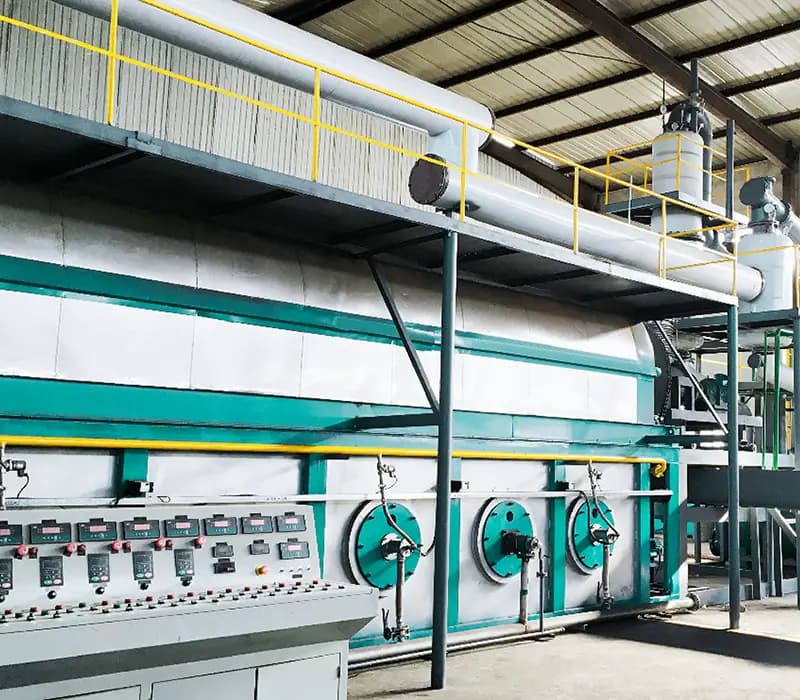
Which waste can enter a suitability review?
Segregated plastic or textile fractions may be considered only when their composition, contamination and waste classification are documented and the permit and demonstrated treatment capability cover that load. A material name alone is not acceptance evidence.
Clean recyclable healthcare packaging requires a separate recovery assessment. It is not automatically feed for hazardous-waste treatment. Unknown or mixed clinical waste is not a standard feedstock.
[1] [2]Outside this standard equipment proposal
- Radioactive waste and unidentified mixed healthcare waste.
- Cytotoxic drugs, pharmaceutical or chemical waste, and mercury-bearing devices: a dedicated authorized route is required.
- High-biohazard laboratory cultures and anatomical waste: no acceptance is implied by this page.
- Sharps, medicine-contaminated devices and halogen-rich materials: no assumed acceptance; stop configuration until a competent review establishes a specific authorized route.
Equipment, treatment plant and useful energy are different scopes
Continuous reactor equipment
Define the accepted feed envelope, throughput basis, utilities, controls and equipment interfaces. Continuous describes the operating mode; it does not demonstrate treatment efficacy or uninterrupted availability.
Complete treatment system
The project must also cover contained reception, qualified treatment validation, off-gas and emission controls, wastewater, residues and an authorized contingency route. Assign responsibility for every interface.
Heat or power integration
Heat recovery or power generation needs separately scoped energy-use equipment, an end user and a site energy balance. Evaluate useful export after internal demand and auxiliary energy; gas production alone proves neither net power nor saleable fuel.
Treatment must be demonstrated for the authorized waste load
A reactor temperature reading is not proof of load-level treatment efficacy. Set acceptance criteria for the permitted waste types, credible worst-case composition, throughput and outputs; require qualified validation and continuing verification. The England Environment Agency guidance illustrates this evidence-based approach, not a global approval for any plant.
[2]Local permits define the environmental boundary
Confirm the jurisdiction, plant classification and applicable limits with the competent authority. Air emissions, liquid discharges and solid residues need defined controls, monitoring and authorized destinations. US EPA HMIWI rules are a US example, not universal pyrolysis limits. UK guidance also considers relevant pyrolysis and subsequent combustion together. Operating around the clock does not establish compliance.
[3] [4]Information for a medical-waste project review
No universal sterilization, zero-emission, energy-saving, fuel-quality or permitting outcome is promised. Capacity and performance remain subject to project evidence and written acceptance criteria. Share documents for review; do not send untreated medical waste.
- Project country, permitting authority, site status and authorized waste codes.
- Waste origin, composition, contamination and representative analysis, without patient identifiers.
- Daily and peak volumes, variability, proposed operating hours and contingency capacity.
- Available utilities, intended heat or power user and requested equipment / installation boundary.
- Treatment-validation basis, emission requirements and proposed destinations for all residues and outputs.
Sources and review boundary
Source-based editorial update, not engineering sign-off. These authorities describe waste risks and jurisdiction-specific requirements; they do not certify or endorse Pyrojin equipment.