
Atmospheric Distillation Plant Supplier
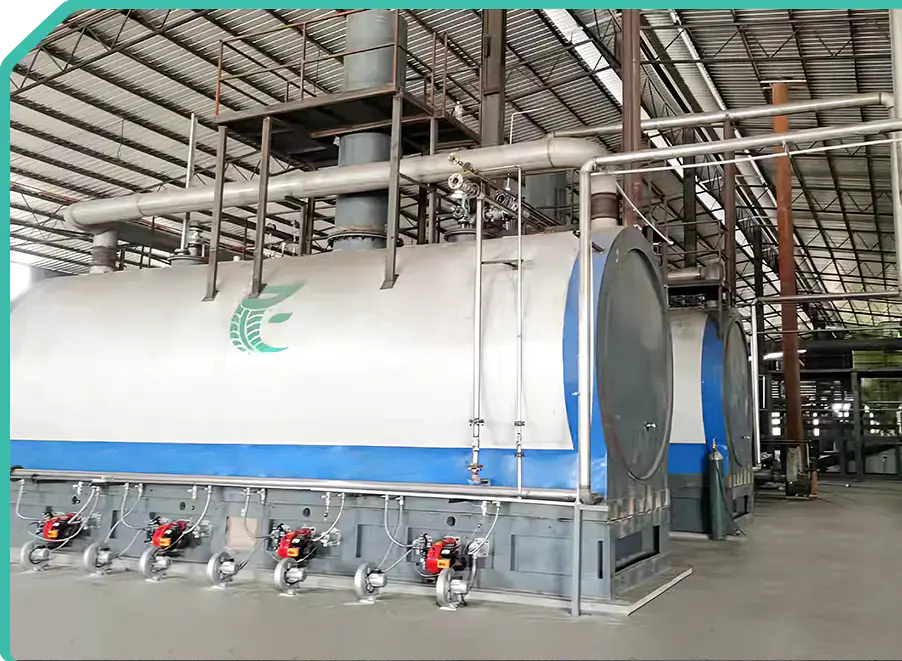
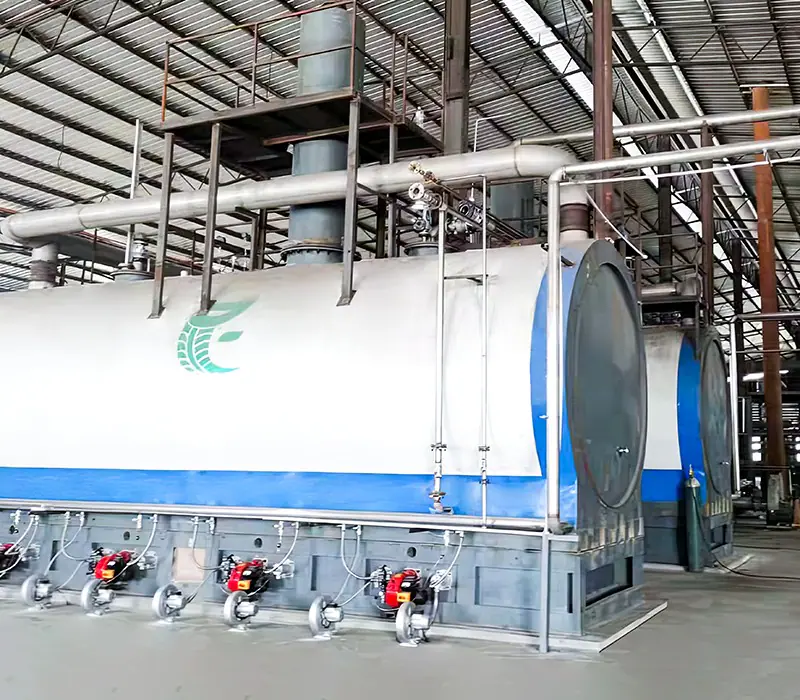
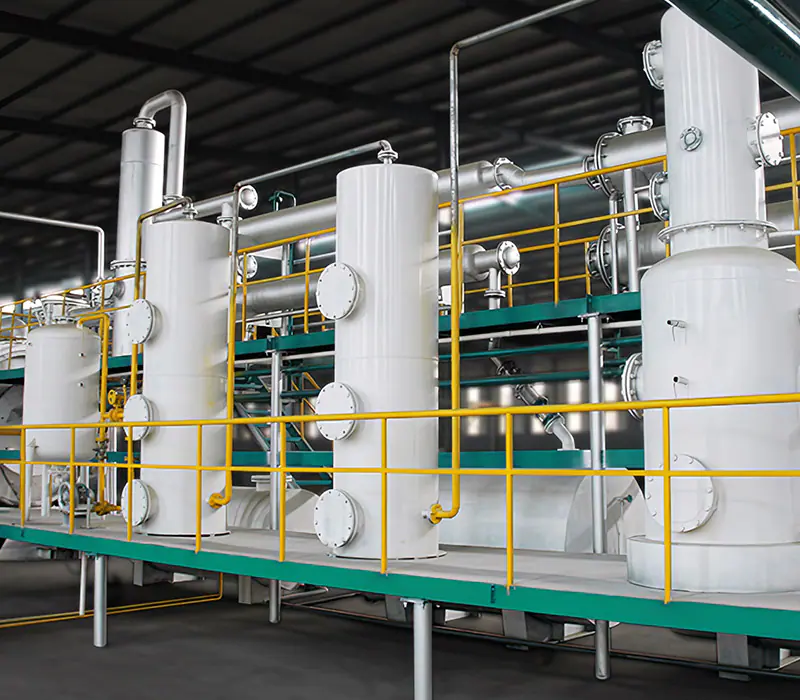
Atmospheric distillation for suitable, characterized waste oils. Confirm the recoverable boiling range, thermal limits and treatment requirements before selecting this configuration.
Confirm throughput, footprint, materials, vacuum duty and protection systems in the model-specific engineering proposal. Do not infer these values from a generic category description.
Investment: compare like-for-like equipment scope, civil works, utilities, treatment and operating requirements; lower cost or faster payback is not assumed. Identify feed water, condensate, scrubber blowdown and cleaning liquids. Determine treatment and disposal routes from the project water balance; closed-loop cooling does not by itself establish zero wastewater. Specify emission sources, control equipment and acceptance measurements for the site. Equipment descriptions or certificates do not establish compliance with local operating requirements.

Company was founded
Better Tech Makes Cleaner Products
-
2026-07-20"Batch or continuous - which one is better?" This is the question we hear most often, and the hardest one to answer directly. Because they are not "good vs. better" - they are two designs built for di...Read technical article
-
2026-07-17What a Biochar Making Machine Actually Does Feed biomass in one end, get a stable carbon-rich solid out the other - that's the short version. A biochar making machine seals raw material inside a cham...Read technical article
-
2026-07-07What Plastic Pyrolysis Oil Actually Is Heat waste plastic to somewhere between 300°C and 500°C with no oxygen in the reactor, and the long polymer chains don't burn, they break apart. That thermal br...Read technical article
-
2026-07-02The Critical Role of Tire Shredders in Waste Management Tire shredders are the foundational machinery in the rubber recycling industry, transforming bulky, non-biodegradable waste into manageable raw...Read technical article
Selecting atmospheric waste oil distillation
Overview of Atmospheric Pressure Distillation Equipment
Atmospheric pressure distillation equipment separates suitable boiling fractions near atmospheric pressure. Feed contaminants, thermal stability and the intended use determine whether pretreatment, vacuum separation or further refining is needed.
Conditions to compare before selection
Confirm throughput, footprint, materials, vacuum duty and protection systems in the model-specific engineering proposal. Do not infer these values from a generic category description.
Utility use: compare the complete heat, power and cooling balance at a defined feed rate and product target.
Investment: compare like-for-like equipment scope, civil works, utilities, treatment and operating requirements; lower cost or faster payback is not assumed.
Identify feed water, condensate, scrubber blowdown and cleaning liquids. Determine treatment and disposal routes from the project water balance; closed-loop cooling does not by itself establish zero wastewater. Specify emission sources, control equipment and acceptance measurements for the site. Equipment descriptions or certificates do not establish compliance with local operating requirements.
Atmospheric and vacuum configuration review
|
Feature |
Atmospheric Distillation Plant |
Vacuum Distillation Equipment |
|---|---|---|
|
Operating Pressure |
Atmospheric |
Reduced Pressure (Vacuum) |
|
Energy Consumption |
Feed and test dependent |
Feed and test dependent |
|
Investment Cost |
Engineering scope dependent |
Engineering scope dependent |
|
Heat-Sensitive Component Protection |
Feed and test dependent |
Feed and test dependent |
|
Suitable For |
Cuts recoverable within thermal limits |
Cuts evaluated at reduced boiling temperatures |
|
Maintenance |
Specified equipment and duty dependent |
Specified equipment and duty dependent |
Water, gas and residue management
For atmospheric distillation plants, include water, gas, residual oil and maintenance wastes in the project balance. Confirm collection, treatment and authorized disposal routes rather than assuming zero discharge.
Equipment and certificate records
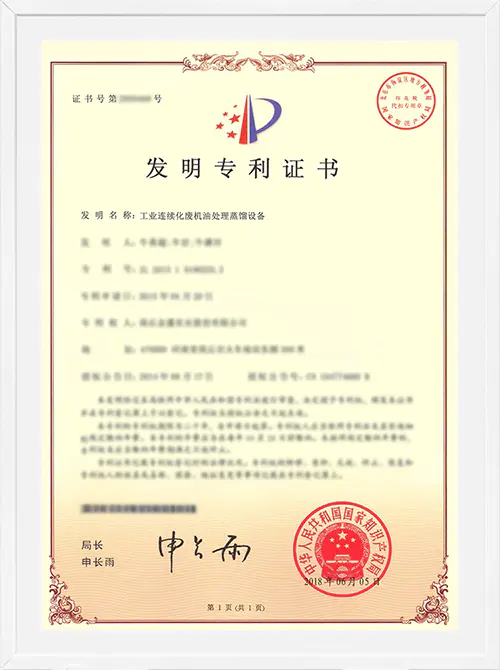
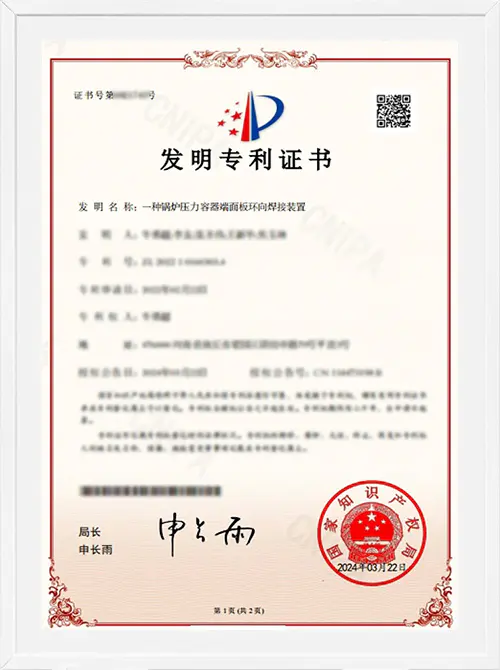
Request the applicable equipment drawings, manufacturing records and certificate scope from Pyrojin. Company-level documents do not substitute for product analysis or site acceptance tests.
Feed variability and product acceptance
A change in feed composition can change cut yields and product properties. Test representative product samples against the intended use and agreed acceptance criteria; appearance alone is not evidence of fuel quality.
Evidence to request before acceptance
Request the feed report, process flow, utility and mass balances, product analyses, residual-stream plan and acceptance criteria for the proposed configuration. Confirm the scope and validity of any certificate separately.
