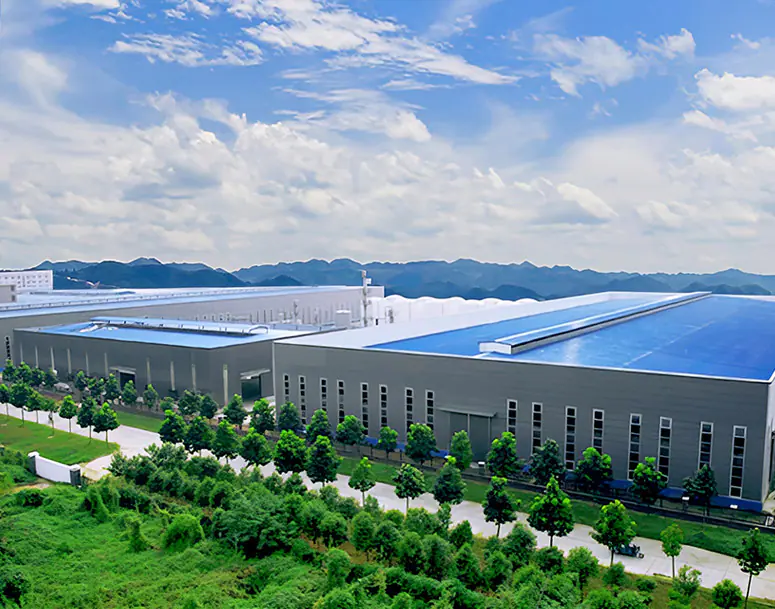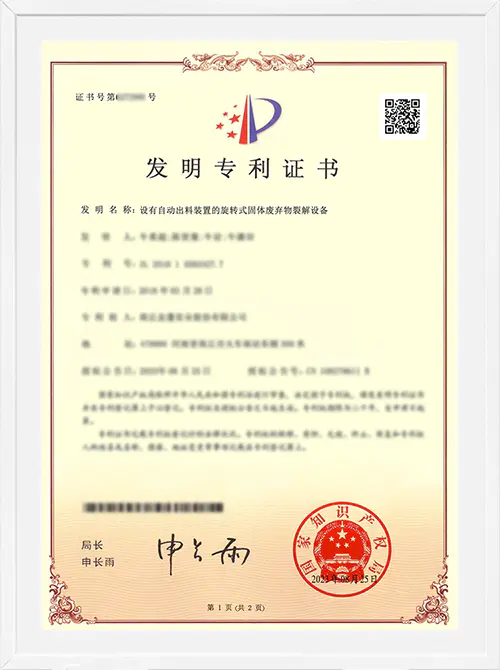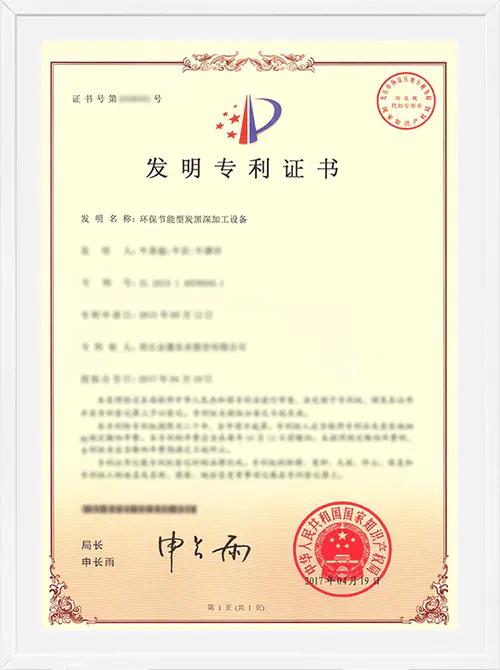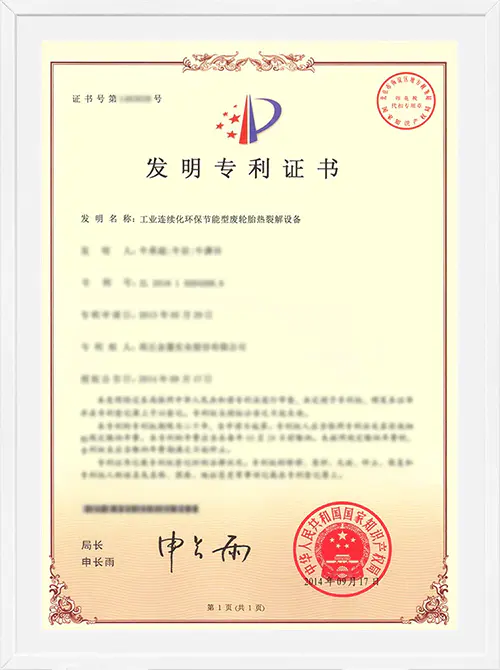
Designer and Manufacturer of Pyrolysis Projects
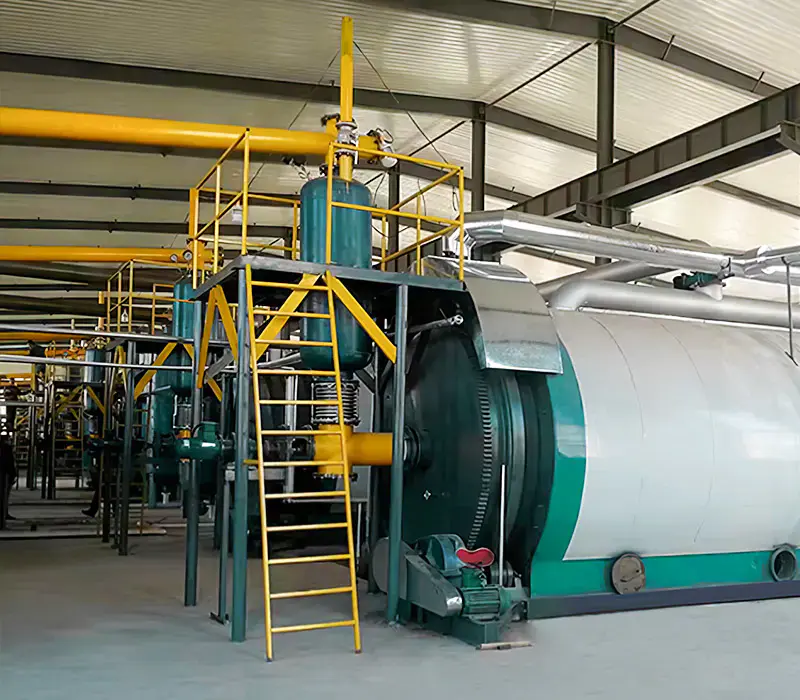
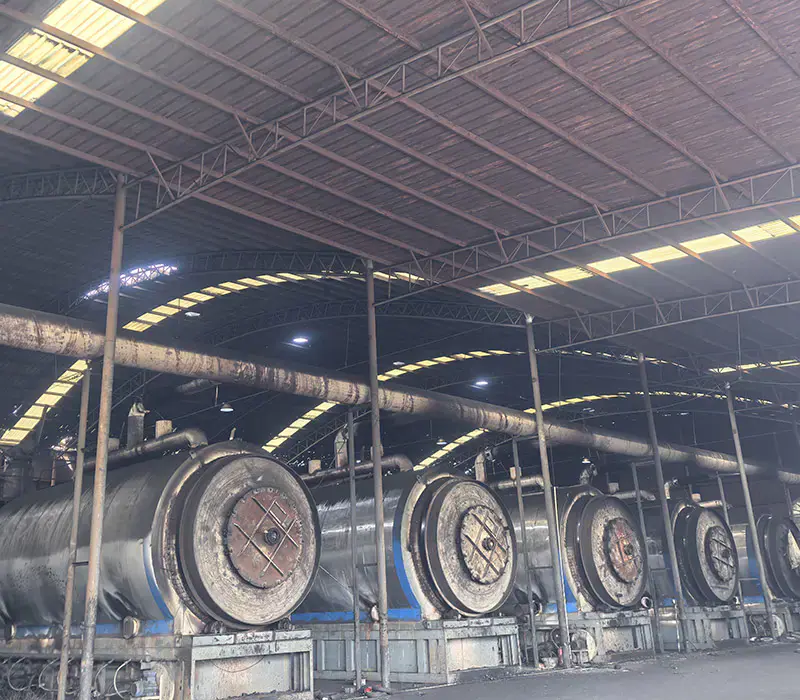
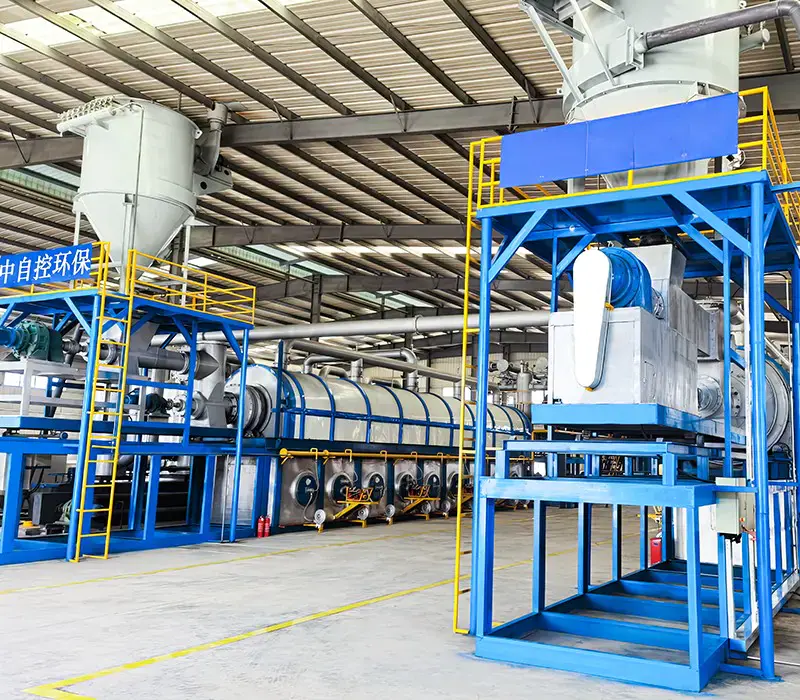
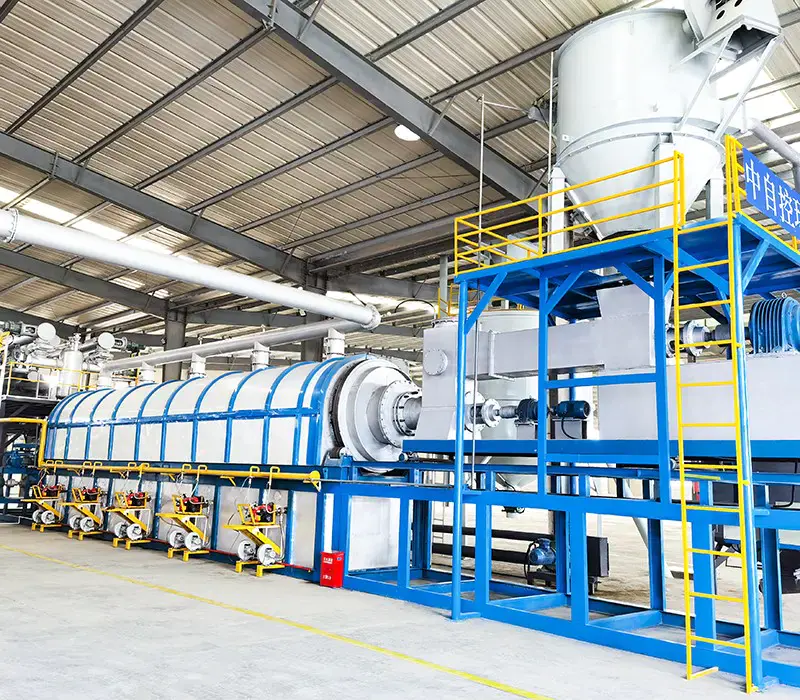
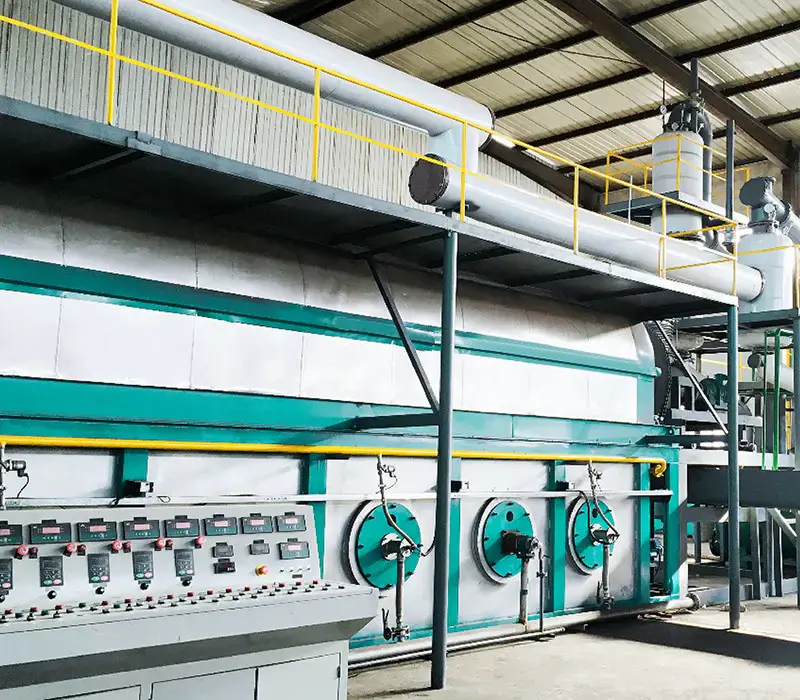
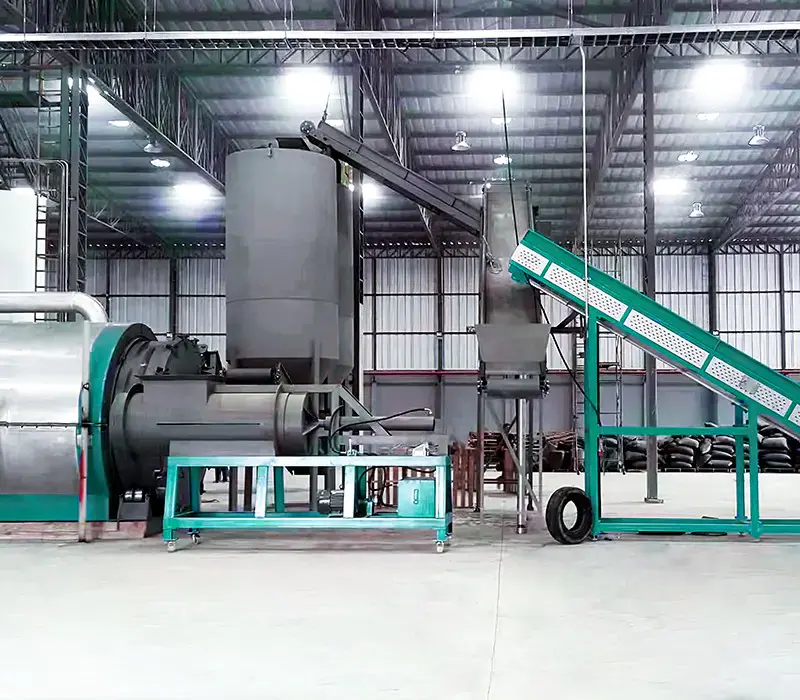
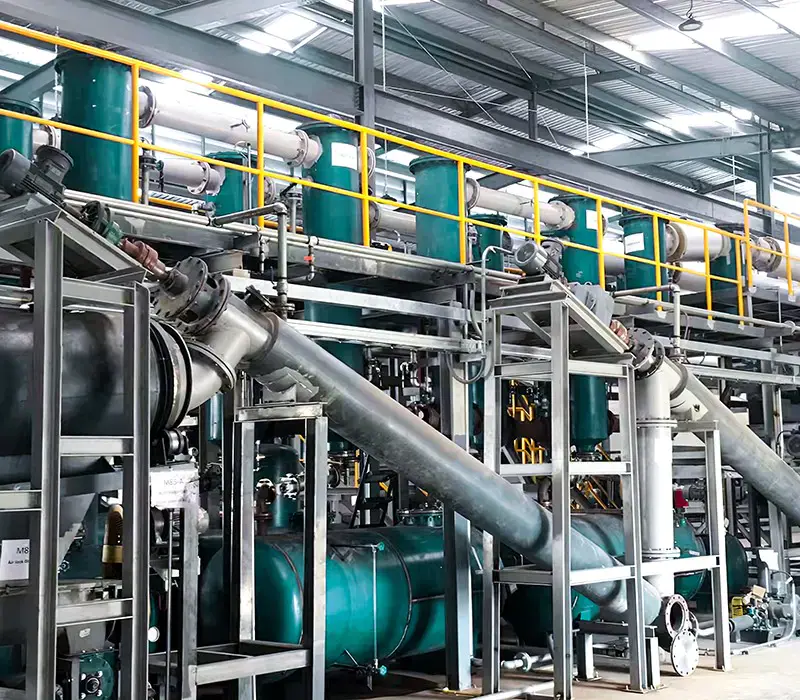
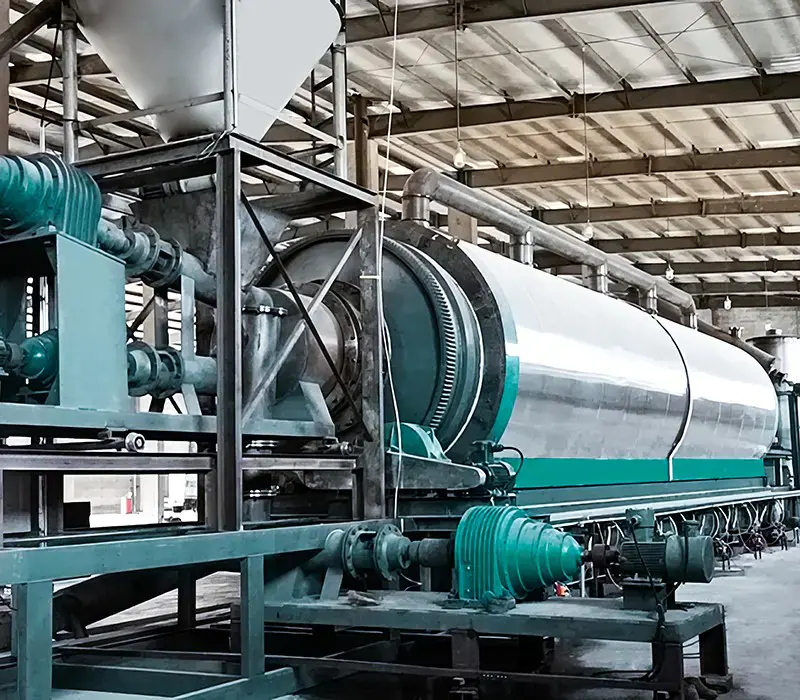
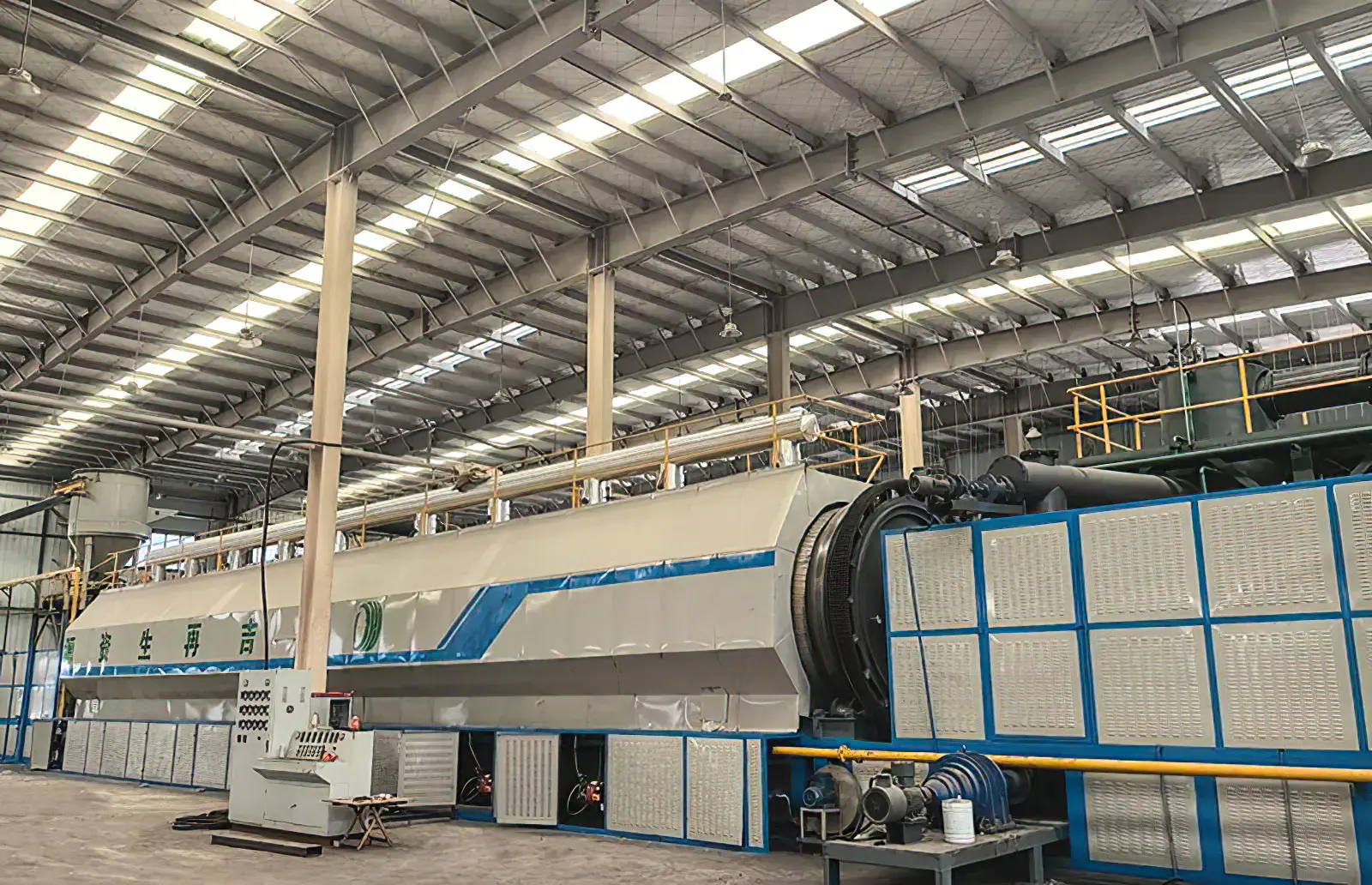
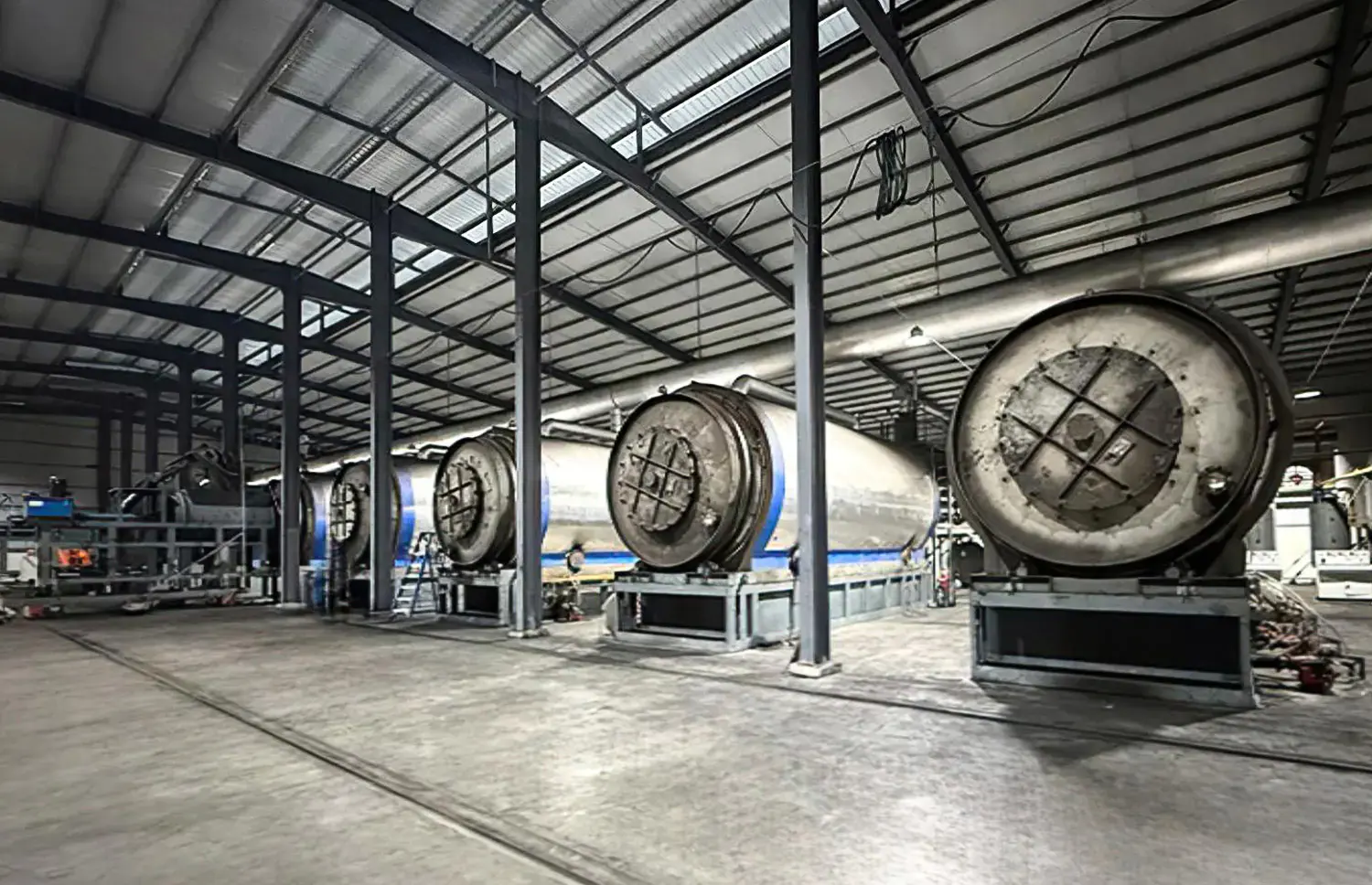
Our pyrolysis equipment - in the absence of oxygen efficiently converts over 100 types of waste materials-including waste tires, plastics, medical waste, municipal solid waste, oil sludge, and biomass-into valuable byproducts: fuel oil, carbon black, and reusable gas.
Key advantages for large-scale industrial clients:
High Capacity & Efficiency (1-50 tons/day)
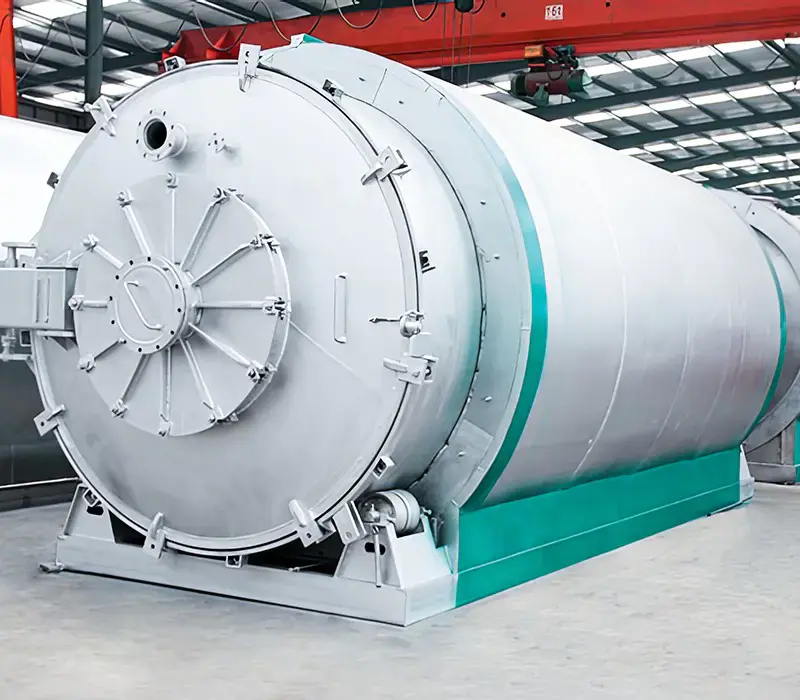
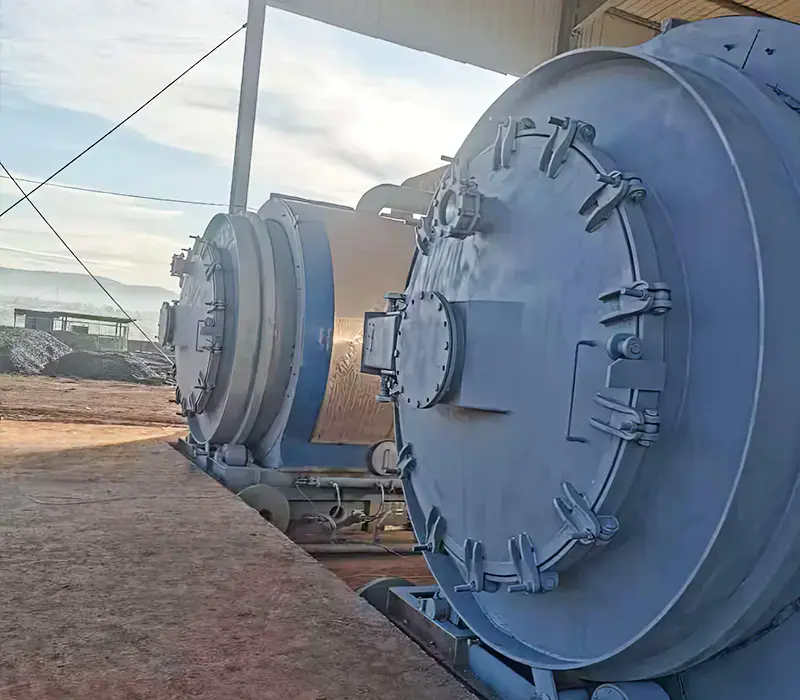
Robust & Reliable Construction(high-grade steel reactors, horizontal or rotary)
Automated & Eco-Friendly Operation (gas recycling, ISO/CE-certified)
Energy Efficient (non-condensable gases reused as reactor fuel)
Advanced Waste Treatment(thermally decomposes organic materials in absence of oxygen), and Supports Circular Economy Goals(turns waste into profitable resources).
Applications: suitable for waste tyres, plastic films, packaging materials, rubber scraps, and municipal solid waste (MSW).
-
Processes whole/scrap tires into fuel oil (40-45% yield) with magnetic steel wire recovery. Features micro-negative pres...View More
-
Designed for mixed plastics (PP/PE/PS, etc), it converts polymers into high calorific diesel like oil. Advanced temperat...View More
-
Sterilizes infectious waste (syringes, PPE) at 900°C+ with chamber sealing to prevent pathogen release. Fully automated ...View More
-
Processes organic-rich MSW after pre-sorting. Two-stage pyrolysis gasifies food/textile waste into syngas, while inert m...View More
-
Handles high-moisture refinery sludge (≤30% oil content). Negative pressure pyrolysis extracts 90%+ hydrocarbons, leavi...View More
-
Optimized for agricultural residues (acai berries, rice husks, wood chips, etc). Slow pyrolysis at 350-500°C maximizes b...View More
-
Processes rubber powders continuously with micro-negative pressure system. Recovers 42% pyrolysis oil (fuel-grade), 13%...View More
-
Optimized for mixed plastics (PP/PE/PS) with an anti-clogging screw feeder. Produces 55% light hydrocarbon oil for petr...View More
-
High-temperature(900℃+) design destroys pathogens. Processes mixed medical waste, including plastics/textiles. Featuresa...View More
-
Handles unsorted MSW with pre-shredding system. Dual pyrolysis-gasification process converts 85% of input to syngas. Con...View More
-
Automated system for oil sludge/refinery residues using micro-negative pressure pyrolysis. Processes 30-40T/day with sea...View More
-
Optimized for biomass/agricultural waste. Fast pyrolysis maximizes bio-oil yield. Continuous char removal maintains reac...View More
-
Municipal Solid Waste (MSW) into Electricity Pyrolysis Equipment is designed to convert urban waste into usable electric...View More
Company was founded
Better Tech Makes Cleaner Products
-
2026-07-20"Batch or continuous - which one is better?" This is the question we hear most often, and the hardest one to answer directly. Because they are not "good vs. better" - they are two designs built for di...Read technical article
-
2026-07-17What a Biochar Making Machine Actually Does Feed biomass in one end, get a stable carbon-rich solid out the other - that's the short version. A biochar making machine seals raw material inside a cham...Read technical article
-
2026-07-07What Plastic Pyrolysis Oil Actually Is Heat waste plastic to somewhere between 300°C and 500°C with no oxygen in the reactor, and the long polymer chains don't burn, they break apart. That thermal br...Read technical article
-
2026-07-02The Critical Role of Tire Shredders in Waste Management Tire shredders are the foundational machinery in the rubber recycling industry, transforming bulky, non-biodegradable waste into manageable raw...Read technical article
Introduction to Tyre Pyrolysis Machine
Pyrolysis is a thermochemical process that uses heat in the absence of oxygen to break down materials such as waste tires, plastics, medical waste, municipal solid waste, oil sludge, and biomass. The pyrolysis equipment is specifically designed to convert these materials into valuable byproducts like fuel oil, carbon black, and reusable gas. This process plays a critical role in addressing waste management challenges while creating usable resources that can contribute to sustainability.
Key Applications of Tyre Pyrolysis Machine
Tyre Pyrolysis Machine is highly versatile, capable of handling more than 100 different types of waste materials. Some of the key applications include:
- Waste Tires: Converts scrap tires into fuel oil, carbon black, and reusable gas.
- Plastics: Transforms plastic waste into valuable fuel oil and carbon black, reducing landfill waste.
- Medical Waste: Provides a solution for disposing of medical waste while recovering energy.
- Municipal Solid Waste (MSW): Helps in converting general waste into reusable resources, reducing environmental impact.
- Oil Sludge: Converts industrial byproducts like oil sludge into usable fuel oil.
- Biomass: Converts organic waste materials such as agricultural residue and wood into biofuels.
How Pyrolysis Equipment Works
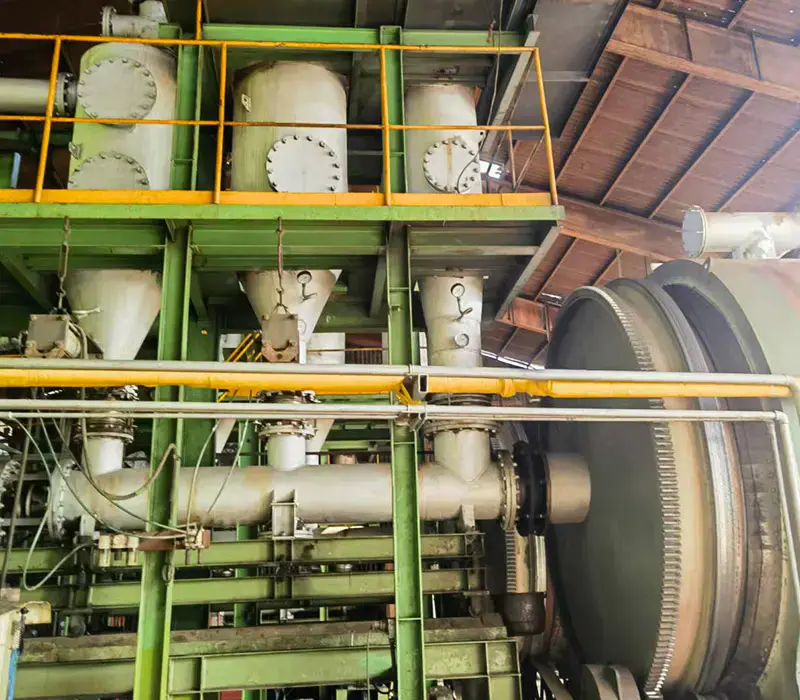
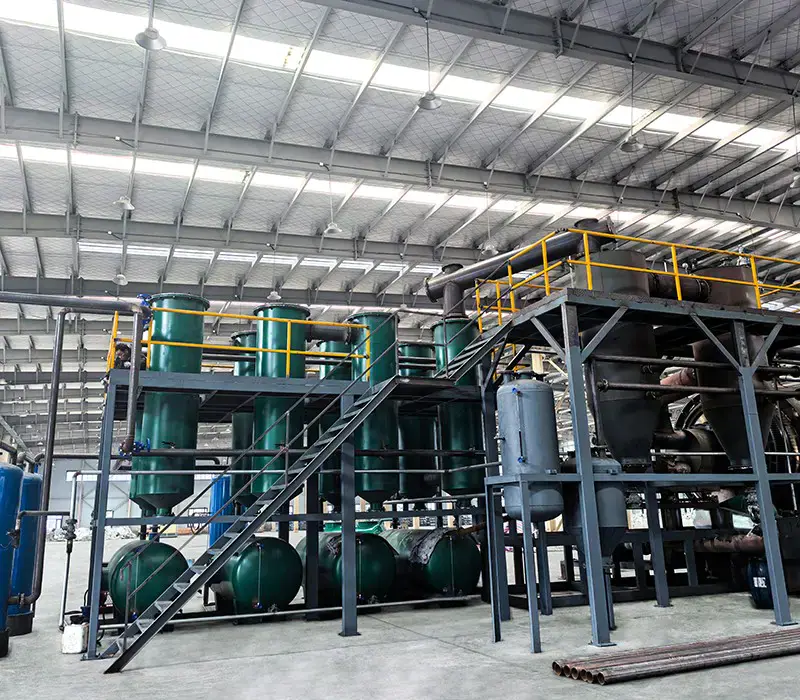
The pyrolysis process begins with the waste material being loaded into a reactor, which is heated to high temperatures-usually between 300°C and 900°C. This heat breaks down the long-chain molecules in the waste, resulting in the production of three main byproducts: fuel oil, carbon black, and gas. These byproducts are collected separately, and the gases can even be used to fuel the pyrolysis process, making the system energy-efficient.
The reaction occurs in the absence of oxygen, preventing combustion and ensuring that harmful emissions are minimized. The fuel oil produced can be further refined and used as an energy source, while the carbon black can be used in various industries such as rubber manufacturing, construction, or as an industrial additive. The reusable gases, primarily composed of methane and carbon monoxide, can be burned as fuel to power the system itself, creating a closed-loop energy cycle.
Advantages of Pyrolysis Equipment
The use of pyrolysis equipment offers several benefits that contribute to both waste management and environmental protection:
- Waste Reduction: Pyrolysis reduces the volume of waste sent to landfills, which helps mitigate environmental pollution.
- Resource Recovery: Valuable byproducts such as fuel oil, carbon black, and reusable gases can be repurposed, creating a circular economy.
- Energy Efficiency: The process is energy-efficient as the gases produced can be used to fuel the system, reducing reliance on external power sources.
- Cost-Effectiveness: Pyrolysis offers a cost-effective solution for handling waste while providing a return on investment through the sale of recovered byproducts.
- Environmental Benefits: Pyrolysis helps reduce harmful emissions compared to traditional waste incineration methods, leading to a cleaner environment.
Types of Materials Processed by Pyrolysis Equipment
Pyrolysis equipment is designed to process a wide variety of waste materials. Below is a breakdown of the types of materials that can be processed:
1. Waste Tires
One of the most common uses of pyrolysis equipment is to recycle waste tires. These tires, when processed, can be converted into valuable fuel oil, carbon black, and syngas. The oil produced can be refined for use in industrial applications or power generation.
2. Plastics
Plastics are a major environmental issue due to their slow decomposition in landfills. Pyrolysis offers an effective method of converting plastic waste into useful fuel oil and carbon black, reducing the need for landfill space and providing valuable materials for various industries.
3. Medical Waste
Medical waste, which often includes hazardous materials, can be safely disposed of using pyrolysis equipment. The process converts this waste into reusable fuel oil while neutralizing potential toxins.
4. Biomass
Biomass materials such as agricultural waste and wood chips can be transformed into biofuels, which can serve as a renewable energy source for heating, electricity generation, and even transportation fuel.