
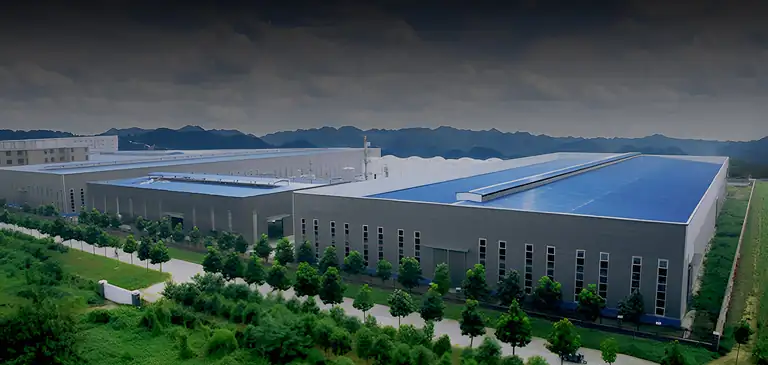
Industrial Waste Treatment Equipment
Start with the waste stream and target output, then compare preparation, recycling, pyrolysis and distillation routes.
Compare equipment routes for seven common waste streams
Recommend the most suitable equipment route for your feedstock.
Waste tyre recycling equipment
Shredding and granulation suit size reduction and material separation. Pyrolysis suits prepared tyre or rubber feed when thermal products are the objective.
Plastic waste recycling equipment
Clean mono-material streams often belong in mechanical recycling. Compatible mixed plastics may be assessed for pyrolysis after polymer, chlorine, moisture and contamination testing.
Municipal or excavated landfill waste treatment system
Sorting can improve feed consistency and product quality, but it is not the only route. A characterized mixed stream can use an integrated feed and pyrolysis system to reduce separate sorting equipment, land and labour costs; engineering review still covers moisture, ash, chlorine, metals, emissions and residue use.
Medical waste treatment equipment
Autoclave, microwave, incineration and thermal conversion serve different regulated streams. Pyrojin evaluates only segregated, compatible feed for a project-specific thermal route.
Oil sludge treatment equipment
Washing, centrifugation and thermal treatment address different oil sludge conditions. Representative sampling defines pretreatment, recovered liquids, water and final residue handling.
Biomass waste recycling equipment
Moisture, ash, particle size and product specification determine whether biological treatment, fuel preparation or carbonization is the better route.
Waste oil recycling and distillation plant
Filtration, dehydration, pretreatment, atmospheric distillation and vacuum distillation are selected from feed analysis and the required product specification.
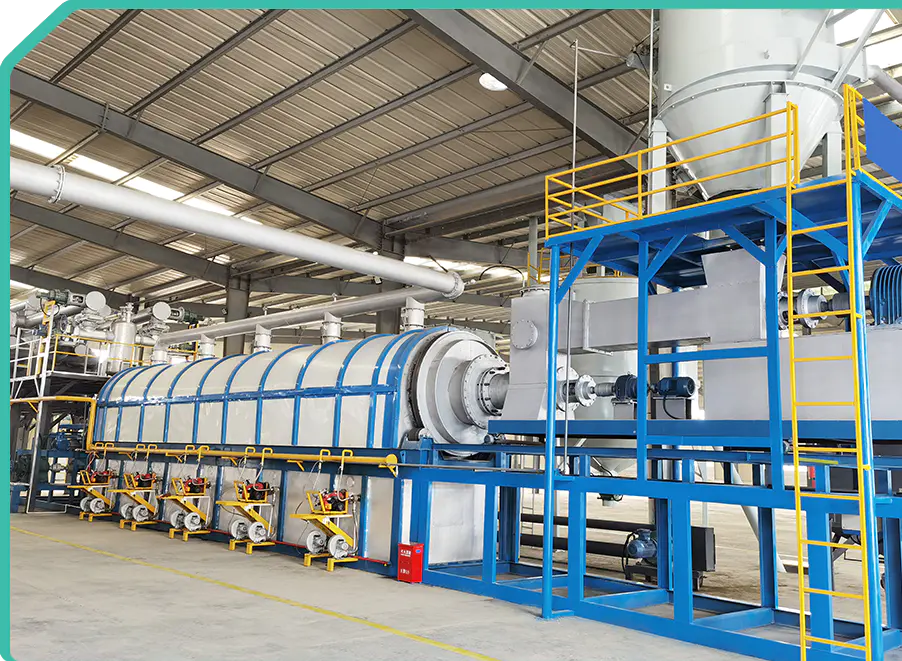
Use feed and product data to narrow the equipment range
A useful first screening package should include:
- Waste source, classification, representative composition and rejected materials
- Daily and hourly supply, moisture, particle size and seasonal variation
- Target outputs, quality requirements, local users and sales conditions
- Project country, permits, emissions, residues and utility conditions
You can start even if you do not know the products after processing
Share the waste, required capacity and target outputs. The engineering team will screen the suitable route first.