
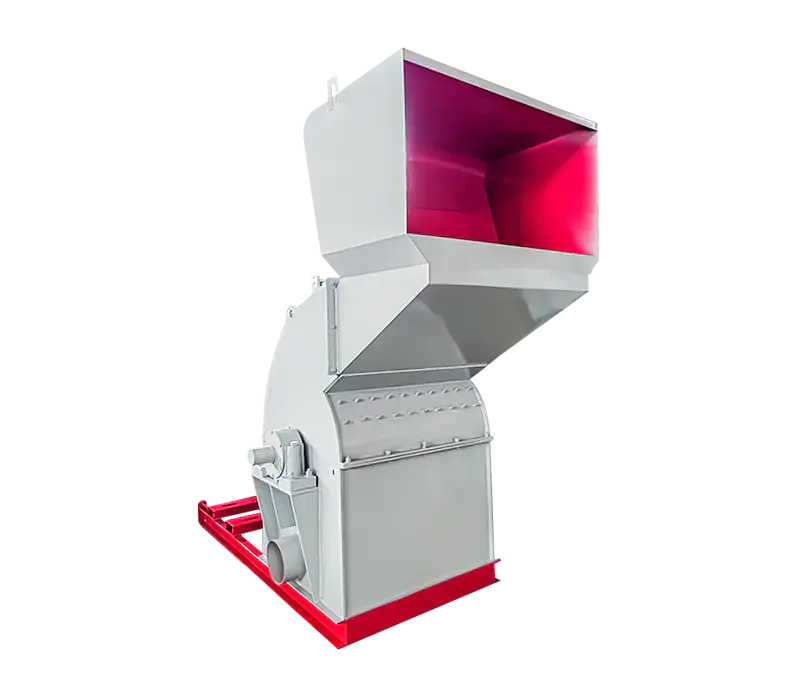
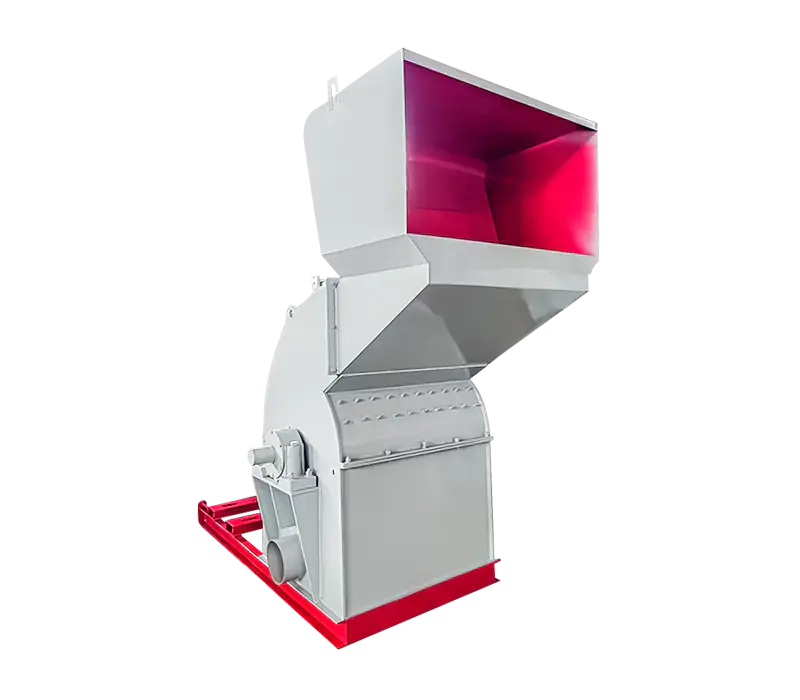
A biomass agricultural shredder prepares material for another process; it does not determine whether that material is suitable for pyrolysis, pellets or composting. The useful selection question is how the proposed configuration handles the actual residue and delivers the size distribution the next process needs. A fixed throughput or particle-size claim is incomplete without its material and measurement basis.
1. Describe the residue as received
Provide the source, delivery form, moisture range, bulk density, fibre characteristics and expected contaminants. Distinguish loose residue from baled, entangled or previously compacted material. Include representative variations in the trial plan rather than only clean, dry samples. Identify foreign objects and excluded material through the site's agreed acceptance arrangements; shredding is not a way to make unknown or hazardous items acceptable.
2. Test distribution, not a single nominal size
Define the required fractions, allowable oversize and fines with the downstream equipment supplier. Ask for measured size-distribution results, not only a photograph of shredded material. Record trial feed rate, moisture basis, collection period and recirculation or rejects. A screen designation alone does not establish the complete output distribution for fibrous material. Assess any additional screening or size reduction as a separate supplied package.
3. Check conveying and process connections
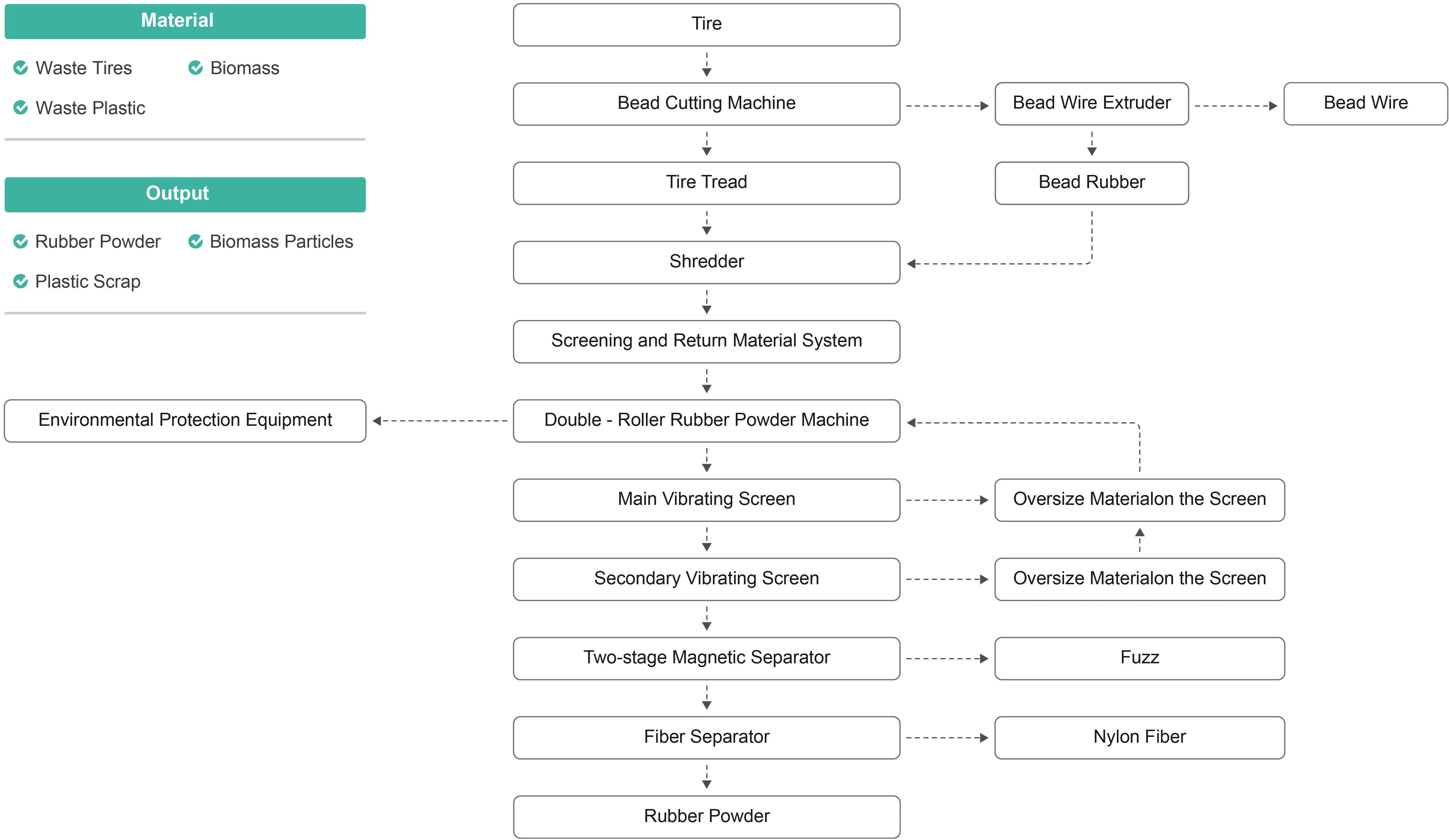
Include the inlet handling equipment and discharge transfer in the comparison. Ask whether a representative trial covers the proposed downstream hopper or feeder interface. Idaho National Laboratory treats grinding, screening, drying and other preprocessing options as configurable operations to test for downstream processes; this does not establish a universal shredder setting.
For a biochar project, agree the interface with the reactor supplier. Size reduction does not remove chemical contamination or prove the resulting char will meet a product specification.
4. Compare service and site requirements
Request evidence for trial power demand, wear assumptions and access needed for planned maintenance. Clarify the supplied drives, control connections, guarding and dust or noise management boundaries in the proposal. Do not interpret an advertised motor rating as measured energy consumption. Wet-feed capability and resistance to blockage require material-specific evidence, not an unconditional guarantee. Applicable equipment and site requirements must be identified for the project location.
Can one setting process every agricultural residue?
No. Fibre, moisture, physical form and contamination can require different preparation and configurations.
Does shredding eliminate the need for drying?
No. Particle size and moisture are separate feed properties; evaluate both against the downstream process.
What should accompany a trial request?
A representative sample plan, incoming material description, expected variation, target distribution and downstream interface requirements.