
Projektdetails
- Projektstandort
- Changde, Provinz Hunan, China
- Konfiguration
- Sechs XY-8-P Chargen-Horizontal-Pyrolyseeinheiten (Φ2800×8800 Reaktorklasse, 12 TPD Auslegungskapazität pro Einheit)
- Kombinierte Nennkapazität
- 72 TPD (6 × 12 TPD)
- Rohstoffe
- Altreifen (ganz oder geschnitten)
- Projektjahr
- 2018
- Ursprünglicher Projektstatus
- Geliefert und in 2018 in Betrieb genommen; dokumentierte Sechs-Einheiten-Chargen-Konfiguration mit zwei Archivfotos
- Aktueller Betriebsstatus
- Nicht unabhängig überprüft
- Lieferant
- Shangqiu Jinpeng Industrial Co., Ltd.
Ein Maßstab, der die Art der Operation verändert
Eine Sechs-Einheiten-Chargenanlage ist kein vergrößertes Zwei-Einheiten-Werk. Wenn die Anzahl der Linien wächst, ändert sich der Betrieb: Eine kombinierte Auslegungskapazität von 72 TPD macht nur Sinn als regionaler Sammel- und Verarbeitungsstandort, der Altreifen aus einem Einzugsgebiet bezieht, das größer ist als jede einzelne Stadt. Diese Rolle bestimmt die Planung des Wareneingangs, die Lagerfläche, die Produktbehandlung und - vor allem - wie die Reaktoren rotiert werden, sodass Beladung, Pyrolyse, Kühlung und Entladung nicht kollidieren. Das Changde-Projekt in Hunan von 2018 zeigt, wie diese Koordination in die Konfiguration eingebaut wurde.
Projekt Hintergrund & Konfigurationslogik
Changde liegt im nördlichen Hunan am westlichen Rand der Dongting-See-Ebene, wo Straßenkorridore Changsha, Yiyang und die umliegenden Präfekturstädte verbinden. Für einen Betrieb mit Altreifen ist die Designimplikation direkt: Ein sechs Einheiten umfassender Standort benötigt einen stetigen Zufluss von mehreren Dutzend Tonnen Reifen pro Tag - mehr, als jede einzelne lokale Region zuverlässig liefern kann. Die Konfiguration wurde daher auf ein regionales Einzugsgebiet ausgelegt, wobei mehrere Lieferquellen einen Verarbeitungspunkt speisen. Die Anlieferung erfolgt aus vielen Richtungen in vielen Formen, daher musste das Design die Variabilität in Reifentyp, -größe und -zustand aufnehmen und Chargen nach dem planen, was tatsächlich ankommt. Die sechs Einheiten bieten den Puffer - hinsichtlich Durchsatz und der Flexibilität, weiterzuverarbeiten, während einzelne Linien laden, abkühlen oder entleeren.
Kerntechnologie & Produktionsanalyse
Eine für das Einzugsgebiet dimensionierte Konfiguration
Die Hub-Funktion beginnt mit der Ausrüstungsanzahl. Sechs Chargeneinheiten mit 12 TPD Auslegungsleistung jeweils ergeben eine kombinierte 72 TPD - groß genug, um den Altreifen-Ausstoß einer multi-städtischen Region aufzunehmen, während sie weiterhin chargenbasiert bleibt, was der unterschiedlichen, unsortierten Natur eines regionalen Stroms entspricht. Chargenanlagen akzeptieren ganze oder geschnittene Reifen direkt, ohne die Zerkleinerung-zu-Krümel-Vorbereitung, die eine kontinuierliche Linie erfordert. Für ein Hub, das aufnimmt, was das Einzugsgebiet produziert, ist diese Toleranz ein Konstruktionsvorteil.
Aufnahmevielfalt und Umgang mit Rohmaterialien
Ein regionaler Strom ist selten einheitlich. Pkw-, Lkw-, Leichtlast- und Agrarreifen unterscheiden sich hinsichtlich Gummigehalt, Stahlanteil und Aufbau, und die Unterschiede wirken sich auf die Ausbeute jeder Charge aus - mehr Öl aus einigen Typen, mehr Stahl und rückgewonnenes kohlenstoffhaltiges Material aus anderen. Da sich die Mischung wöchentlich und saisonal ändert, wurden Lagerung und Handhabung so geplant, dass die eingehenden Lieferungen vom Verarbeitungsschema entkoppelt werden: Reifen werden in großen Mengen gelagert, bei Bedarf geschnitten oder sortiert und chargenweise beladen. Ein Zentrum sollte widerstandsfähig gegenüber dem sein, was sein Einzugsgebiet liefert, und nicht von einer einheitlichen Versorgung abhängig sein.
Rotationsplanung über sechs Reaktoren
Der Kern eines Multi-Unit-Chargenstandorts ist der Rotationsplan. Ein Chargen-Zyklus dauert ungefähr 22-24 Stunden: Beladen, Vorheizen, die Pyrolysphase, Abkühlung und Entladung. Bei sechs Reaktoren wurde die Konfiguration so ausgelegt, dass diese Phasen versetzt ablaufen - während ein Reaktor beladen wird und ein anderer abkühlt, befinden sich zwei oder drei in der Pyrolysphase und einer entlädt. Die Effekte summieren sich: der Arbeitskräftebedarf verteilt sich über den Tag (typischerweise ein bis zwei Bediener pro Linie), der gemeinsam genutzte Versorgungsbedarf wie Kühlwasser und Gasaufbereitung glättet sich, und zurückgewonnene Ströme werden kontinuierlich anstatt in unregelmäßigen Spitzen produziert. Effektiv werden sechs Einheiten als eine koordinierte Anlage geplant, nicht als sechs unabhängige Maschinen.
Pyrolyse und Kondensation
Jeder Reaktor ist ein horizontaler Drehbehälter, der indirekt beheizt wird - die Ladung kommt nicht mit der Flamme in Kontakt - unter niedrigem Druck in einer inerten, anaeroben Atmosphäre, gehalten bei einem mikro-negativen Druck, um flüchtige Emissionen zu begrenzen. Flüchtige Stoffe, die während der Pyrolysephase freigesetzt werden, gelangen in das Kondensationssystem, in dem der kondensierbare Anteil als Pyrolyseöl zurückgewonnen wird. Es ist kein Diesel: Um Kraftstoff der Dieselsorte zu erreichen, sind weitere Destillation, Raffinierung und Zertifizierungstests erforderlich. Der nicht kondensierte Anteil - das nicht kondensierbare Gas - kann, soweit das installierte Design und die Betriebsbedingungen dies zulassen, dem Heizsystem zurückgeführt werden, wodurch der externe Brennstoffbedarf reduziert wird.
Gewonnene Ströme und Feststoffhandling
Drei Materialströme begleiten das Öl. Der feste Rückstand ist zurückgewonnenes kohlenstoffhaltiges Material - ein kohlenstoffreiches Feststoff, das ohne weitere tiefgehende Verarbeitung und Tests kein kommerzieller Ruß ist. Der Stahldraht trennt sich von der Ladung und wird als sauberer Metallstrom entfernt. Jede Charge endet mit einem Entladefenster, und der Rotationsplan verteilt diese Fenster so, dass die Handhabung der Feststoffe, die Siebung und die Lagerung der Produkte gleichmäßige Arbeiten sind und nicht gelegentliche Spitzen darstellen. Die Öllagerung und die Lagerbestände des kohlenstoffhaltigen Materials wurden so dimensioniert, dass sie die Produktion zwischen den Versendungen aufnehmen - die natürliche Anordnung für einen Hub, der Produkte in großer Menge nach außen verschickt.
Emissionsbehandlung
Die Abgase des Heizsystems passieren die installierte Behandlungsanlage - ein Sprühturm zur alkalischen Neutralisation, gefolgt von einem Adsorptionsturm zur Entschwefelung und Entstaubung - und die Anlage ist so ausgelegt, dass sie die geltenden lokalen Emissionsanforderungen erfüllt. In einer Mehrfacheinheiten-Konfiguration ist das Behandlungssystem nicht peripher: Die Anzahl der Reaktoren definiert die Kapazität, aber das Behandlungssystem und das Standortlayout bestimmen, wo ein solches Zentrum errichtet werden kann. Die tatsächliche Emissionsleistung hängt von Betrieb, Wartung und den vor Ort geltenden Anforderungen ab.
Foto 1 - Gesamtansicht der Baustelle
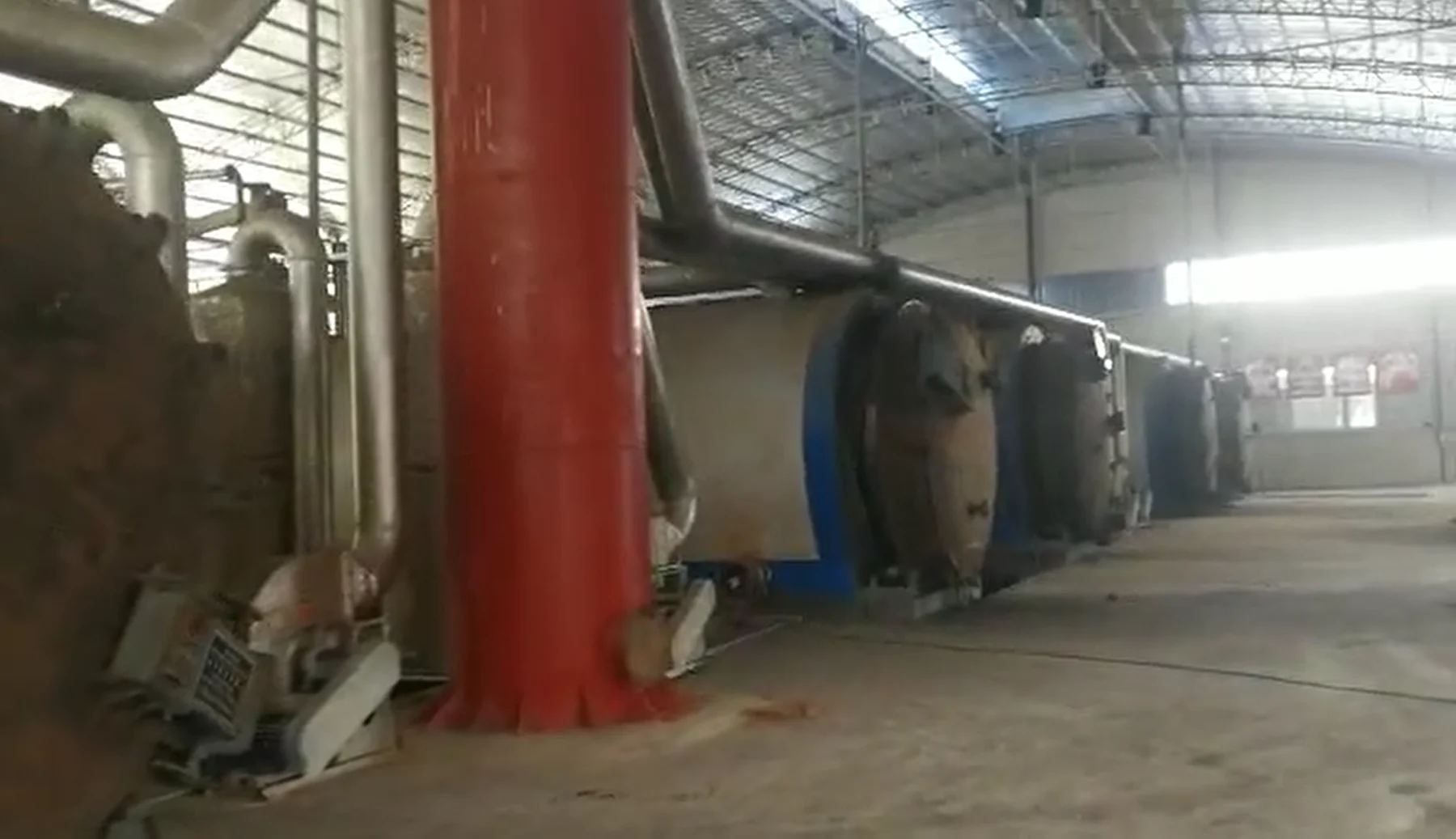
Gesamtansicht des sechs Einheiten umfassenden Pyrolyse-Standorts in Changde, Hunan (2018), die die Anordnung der Reaktorlinie und die Fläche des regionalen Verarbeitungs-Hubs zeigt. Foto aufgenommen während der Installation und Inbetriebnahme in 2018.
Foto 2 - Prozessdetail
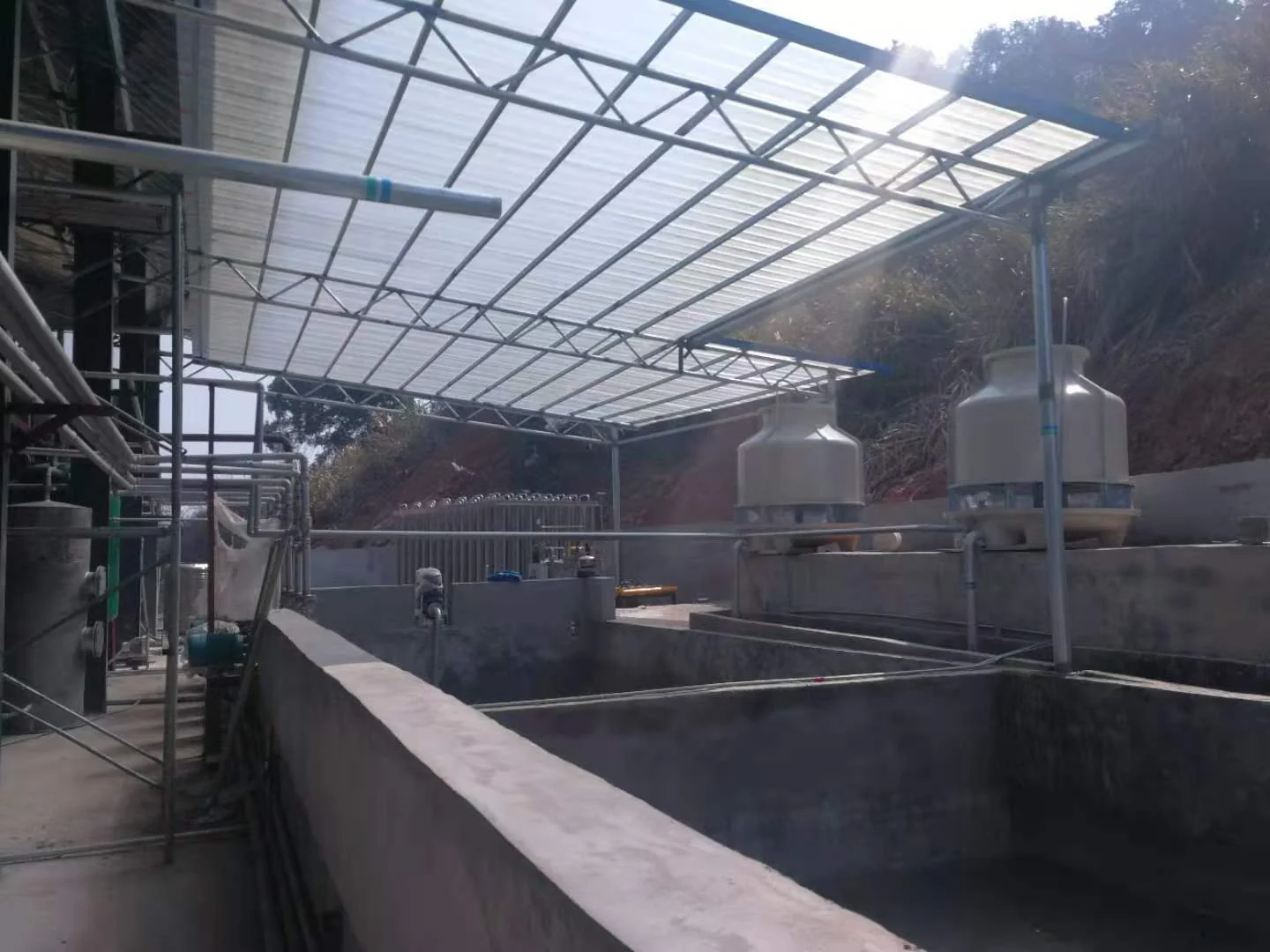
Prozessdetail an der Changde, Hunan (2018) Anlage: die Lade-Seite der Chargen-Reaktorlinie, die die Anordnung der Rotationsgeräte während der Installation und Inbetriebnahme zeigt. Foto aufgenommen während der Installation und Inbetriebnahme in 2018.
Projektspezifikationen
| Artikel | Projektspezifikation |
|---|---|
| Standort | Changde, Provinz Hunan, China |
| Projektjahr | 2018 |
| Status | Geliefert und in Betrieb genommen in 2018 (Archivaufzeichnung) |
| Rohstoffe | Altreifen (ganz oder geschnitten) |
| System | XY-8-P Chargentyp horizontale Drehpyrolyseanlage |
| Anzahl der Einheiten | 6 |
| Kapazität pro Einheit | 12 TPD Auslegungsleistung |
| Kombinierte Auslegungskapazität | 72 TPD |
| Produktionsmodell | Chargen-Betrieb mit gestaffelter Mehrlinienrotation |
| Haupt zurückgewonnene Ströme | Pyrolyseöl (Heizöl), zurückgewonnenes kohlenstoffhaltiges Material, Stahldraht; nicht kondensierbares Gas wird in das Heizungssystem zurückgeführt, wo die installierten Auslegungs- und Betriebsbedingungen dies zulassen |
| Lieferant | Shangqiu Jinpeng Industrial Co., Ltd. |
Was das Projekt demonstriert
Dieses Projekt demonstriert die regionale Hub-Form der Chargen-Pyrolyse: sechs Einheiten laufen als ein koordinierter Verarbeitungspunkt anstelle von sechs unabhängigen Maschinen. Für Kunden, die die Multi-Einheiten-Skalierung bewerten, ist der Referenzwert dreifach. Aufnahme: Eine 72TPD-Auslegungskapazität ist nur mit einem echten Einzugsgebiet und einem organisierten Zufuhrfluss sinnvoll - Lager-, Sortier- und Schneidkapazität müssen von Anfang an geplant werden. Planung: Die Rotationsplanung über sechs Reaktoren wandelt die installierte Kapazität in tatsächlichen Durchsatz um und verdient ebenso viel Aufmerksamkeit wie die Ausrüstung selbst. Ausgabe: Öl, rückgewonnene kohlenstoffhaltige Materialien und Stahldraht werden in großen Mengen produziert, daher müssen Versand- und Lagerlogistik parallel zum Prozess geplant werden. Evaluatoren sollten prüfen, ob die prognostizierte Rohstoffversorgung dem Umfang entspricht und ob der Standort Raum und Personal für den Rotations- und Handhabungsrhythmus eines sechs-Einheiten-Batchplans hat.
Über Jinpeng
Shangqiu Jinpeng Industrial Co., Ltd. entwirft und fertigt Chargen-, halbkontinuierliche und kontinuierliche Pyrolyseanlagen, Öldestillationssysteme und unterstützende Ausrüstung für Altreifen, Kunststoffabfälle, Ölschlamm, gummibasierte Materialien und andere geeignete kohlenstoffreiche Rohstoffe. Die Projektkonfiguration wird um Materialeigenschaften, Produktionsziele, Standortbedingungen und geltende lokale Anforderungen entwickelt. Für Projektbesprechungen besuchen Sie www.pyrolysis-machine.com.
Haftungsausschluss
Dieser Artikel beschreibt die dokumentierte Projektkonfiguration zum Zeitpunkt der Lieferung und Inbetriebnahme. Kapazitätsangaben sind Designwerte: Der tatsächliche Durchsatz hängt von den Eigenschaften des Ausgangsmaterials und den Betriebsbedingungen ab. Produktausbeuten und -eigenschaften variieren je nach Ausgangsmaterial und erfordern standortspezifische Tests. Energie- und Emissionsleistung hängen von den installierten Hilfssystemen, der Betriebspraxis und der Wartung ab, und das endgültige Design muss den am Standort geltenden Vorschriften und Anforderungen entsprechen.
Archivhinweis: Diese Rückschau basiert auf den Projektunterlagen und Fotografien von Jinpeng aus der ursprünglichen Liefer- und Inbetriebnahmephase. Sie beschreibt die dokumentierte Projektkonfiguration und stellt keine Überprüfung des aktuellen Betriebszustands der Anlage dar.