
تفاصيل المشروع
- موقع المشروع
- لونغنان، مقاطعة قانسو، غرب الصين (منطقة جبلية تشينلينغ-دابا)
- التكوين
- وحدتان أفقيتان لتفكيك الإطارات المستعملة على دفعات (12 طن يومياً السعة التصميمية لكل واحدة)
- السعة التصميمية الإجمالية
- 24 طن يومياً (تصميم)
- المواد الخام
- إطارات النفايات
- سنة المشروع
- 2018
- الحالة الأصلية للمشروع
- تم التسليم والتشغيل في 2018؛ موثق من خلال صور التركيب والتشغيل في أرشيف المشروع
- الحالة التشغيلية الحالية
- لم يتم التحقق منها بشكل مستقل
- المورد
- شانغتشيو Jinpeng Industrial Co., Ltd. (PYROJIN)
يتم تحديد حجم كل مصنع التحلل الحراري مرتين: مرة بواسطة المفاعلات ومرة بواسطة الطرق التي تؤدي إليه. في منطقة الجبال الحادة في جنوب قانسو، حيث تقع لونغنان عند ملتقى نظامي جبال تشينلينغ ودابا، قد يسيطر التحديد الثاني للحجم. المشروع المسجل هنا - وحدتان من النوع الدفعي بسعة تصميمية مجمعة تبلغ 24 طن من إطارات النفايات يوميًا - تم تكوينه حول هذه الحقيقة: معدات يمكن نقلها إلى وادي جبلي على مراحل، وحجم مناسب لما يمكن أن يزوده الحوض المحلي بشكل واقعي. تم تصميم خطة النقل والاستلام والحجم كنظام واحد.
خلفية المشروع ومنطق التكوين
تحتل لونغنان الحافة الجنوبية لقانسو، حيث تلتقي سلسلة تشينلينغ بالنظام الجبلي دابا. التضاريس عبارة عن تسلسل من الوديان الضيقة والنتوءات الحادة؛ تتبع الطرق مجاري الأنهار وتصعد الممرات الجبلية، تاركة مساحة قليلة للتصاميم الواسعة أو الأحمال الثقيلة قطعة واحدة. المناخ أكثر رطوبة واعتدالاً من بقية المقاطعة، وهو أمر مهم لتخزين المواد الخام والوصول إلى الطرق الموسمية.
منطق المواد الخام يعكس منطق النقل. لا يوجد تجمع لصناعة الإطارات في المنطقة القريبة؛ تتراكم الإطارات المستعملة من صيانة المركبات، وأساطيل النقل، والآلات الزراعية - مصدر محلي متفرّق لكنه مستمر. وكان مصنع أكبر سيضطر لاستيراد الإطارات عبر طرق جبلية طويلة، مضيفًا تكلفة النقل لكل طن قبل تشغيل المفاعل. وحدتان حافظتا على المصنع متوافقًا مع ما يمكن أن يقدمه الحوض المحلي، متبادلين بين القدرة الاسمية والواقع الفعلي للإمداد.
تم تصميم التكوين وفقًا لذلك: وحدات دوارة أفقية من نوع الدُفعات ضمن فئة TPD، وهو نموذج إنتاج يتحمل إيقاع الدخول المتغير بشكل أفضل من خط التدفق المستمر، وبصمة مناسبة لظروف قاع الوادي.12كان إرشاد التركيب وتدريب المشغلين جزءًا من نطاق التسليم. كما أن وجود وحدتين بدلًا من واحدة أعطى مرونة تشغيلية: يمكن صيانة خط واحد بينما يواصل الآخر دورته، ويمكن تمديد الجداول عبر اليوم دون أن يعمل أي مفاعل بما يتجاوز دورة الدفعة الخاصة به.
التقنية الأساسية وتحليل الإنتاج
نقل المصنع إلى الداخل: نقل المعدات في التضاريس الجبلية
يتضمن خط الدُفعات من هذا النوع حوالي 60 طن من المعدات المثبتة لكل وحدة - لوجستيات عادية على أرض مستوية، وهو القيد المحدد في المناطق الجبلية. يتم تسليم المعدات في مجموعات فرعية قابلة للنقل وتجميعها في الموقع، لذلك لا يتجاوز أي حمل فردي ما يمكن للطريق أن يحمله؛ يتم التخطيط لأعمال الأساس والرفع وفقًا للمساحة المتاحة في موقع أرضية الوادي. وبالتالي فإن الحجم المعتدل يعمل كاستراتيجية نقل: وحدتان أصغر أسهل في النقل والتجميع على مراحل من خط واحد كبير.
الاستقبال بالحجم المناسب للتحصيل وتحضير المواد الأولية
مع ضبط الحوض ليتناسب مع وحدتين، يبقى تخطيط الاستقبال بسيطًا: تصل الإطارات من نقاط الجمع المحلية، وتُخزن في مخزن، ويتم تحميلها على دفعات من فتحة تغذية المفاعل - بالكامل أو مقطعة، حسب الحجم. نظرًا لأن احتياجات الموقع عن قصد معتدلة، تظل احتياجات التخزين محدودة؛ ويجعل المناخ الجبلي الأكثر رطوبة التخزين المغطى جزءًا منطقيًا من التخطيط.
تدوير خطي الدُفعة المزدوج
تستغرق دورة الدفعة النموذجية على هذا النوع من المعدات حوالي 22-24 ساعة: حوالي ساعتين للتحميل، وأربع ساعات للتسخين المسبق، وعشر ساعات للبناء الحفري النشط، وأربعة إلى ست ساعات للتبريد، وساعتين للتفريغ. مع وجود وحدتين، يمكن تباعد الدورات بحيث يكون أحد المفاعلات في مرحلة التسخين بينما الآخر يبرد أو يتم تفريغه أو إعادة تحميله. يواصل الموقع النشاط الإنتاجي على مدار اليوم دون أن تترك أي وحدة إيقاع دورتها، ويكفي واحد أو اثنان من المشغلين لكل منشأة لأن العمل يتم بتسلسل، وليس بشكل متزامن.
المفاعل وظروف التسخين والعملية
المفاعلات عبارة عن أوعية دوارة أفقية من فولاذ غلاية Q345R، تدور ببطء - حوالي 0.4 دورة في الدقيقة - بحيث يتدحرج مادة الإطارات ويكشف سطحًا جديدًا للحرارة. التسخين غير مباشر: لا يلامس المادة اللهب أبدًا. يعمل الوعاء عند ضغط منخفض في ظروف خاملة ولا هوائية، مع الحفاظ على ضغط سلبي طفيف داخله. تعطي هذه المجموعة تحللًا حراريًا متحكمًا - ظروف متسقة عبر الدفعة، مع احتواء جانب البخار من العملية.
معالجة البخار: التكثيف وإرجاع الغاز
الأبخرة المنطلقة خلال مرحلة التحلل الحراري تُسحب إلى نظام التكثيف، حيث تتجمع الكمية القابلة للتكثف كزيت تحلل حراري - زيت وقود، وليس ديزل؛ الوصول إلى وقود بدرجة ديزل يتطلب تكريرًا إضافيًا، ومعالجة هيدروجينية، واختبارات شهادات. يمكن إعادة الكمية الغازية غير القابلة للتكثف إلى نظام التدفئة حيثما يسمح التصميم وظروف التشغيل المثبتة، مما يقلل من الطلب على الوقود الخارجي. يمر غاز المداخن من نظام التدفئة عبر سلسلة المعالجة المثبتة - برج رش قلوي يتبعه برج للامتصاص لإزالة الكبريت والغبار - صُمم بحيث يكون التصريف خاضعًا لمتطلبات الانبعاثات المحلية عند ظروف التشغيل المناسبة.
المخرجات الصلبة وحدود المنتج
بعد الدورة، يُفرغ المفاعل من كتلته الصلبة وتحتوي الإطارات ذات الأسلاك الفولاذية. الكتلة الصلبة عبارة عن مادة كربونية مسترجعة؛ أي سوق ذا قيمة أعلى يعتمد على الاختبارات والمعالجة الإضافية، ولا يجب وصفها بأنها أسود كربوني تجاري بدون هذه الأدلة. الأسلاك الفولاذية هي تيار خردة نظيف قابلة للبيع. تختلف عوائد الزيت والصلب والغاز حسب نوع الإطار وتركيبته؛ ولا يتم تقديم أرقام ثابتة لهذا المشروع.
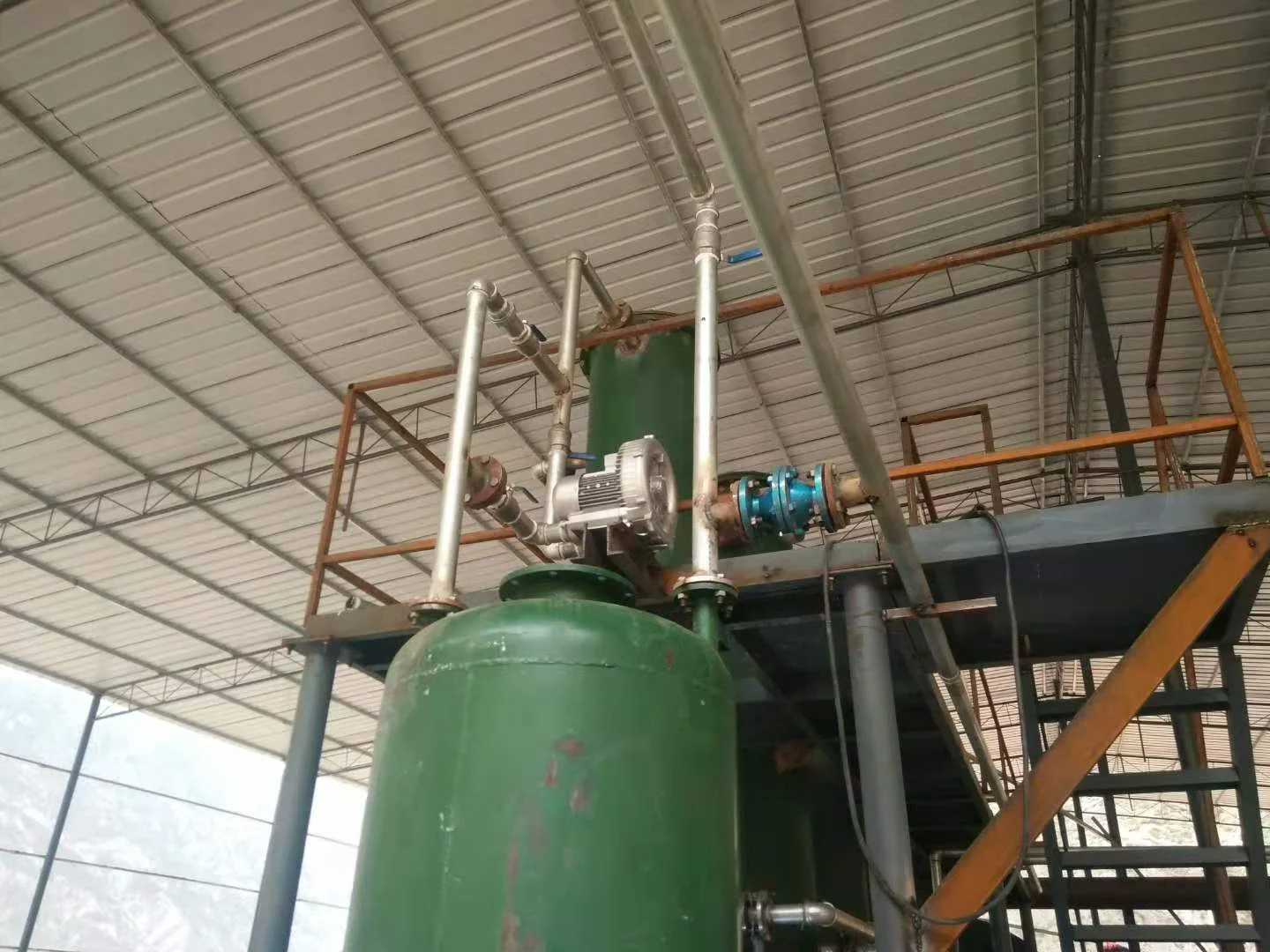
عرض عام للموقع لمحطة الانحلال الحراري الإطارات التالفة من نوع الدفعة المكونة من وحدتين في لونغنان، قانسو، 2018، يُظهر التخطيط في بيئته الجبلية والواديية. تم التقاط الصورة أثناء التركيب والتشغيل في 2018.
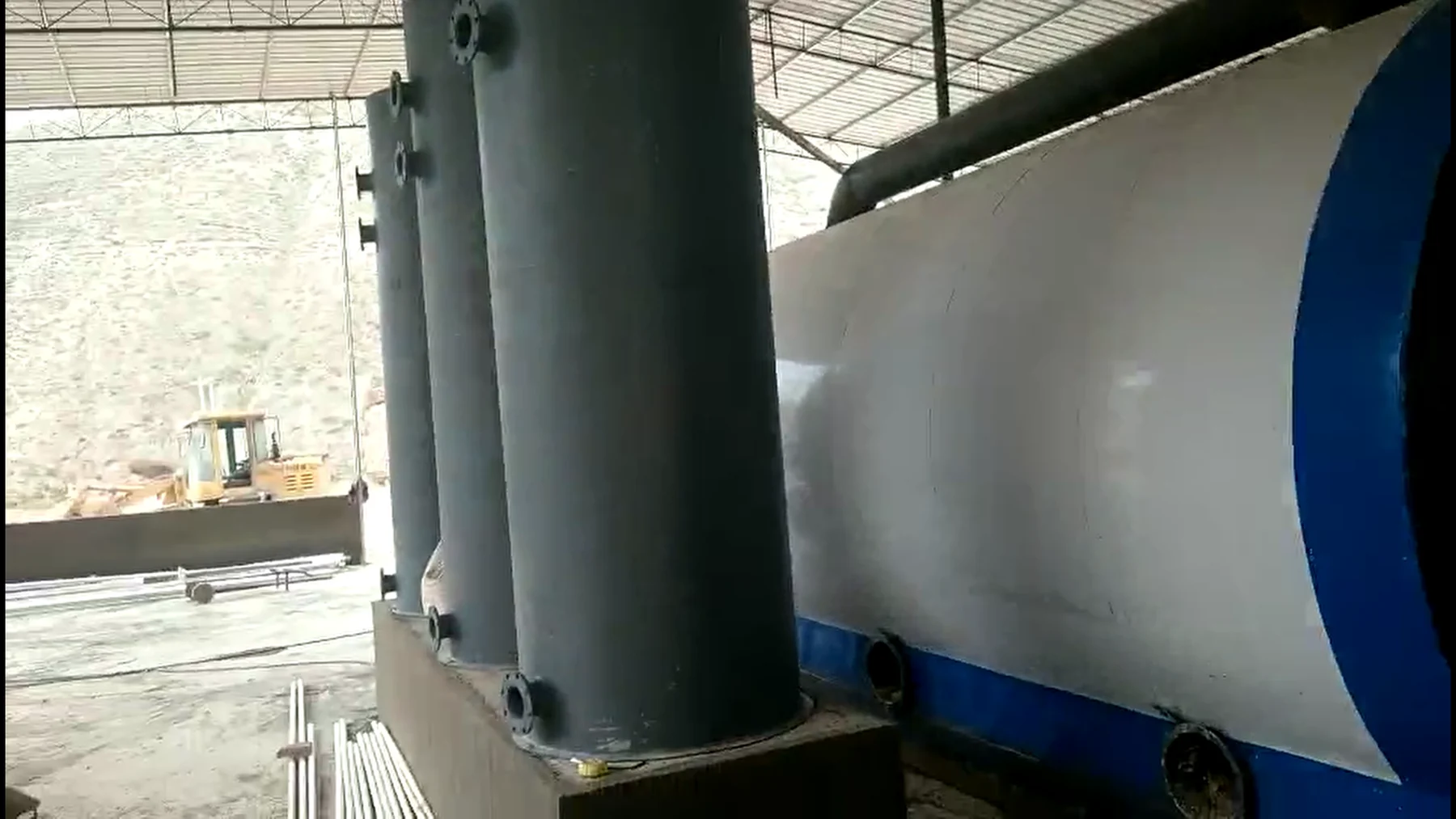
تفاصيل عملية من طرف تغذية المفاعل وترتيب التحميل في محطة لونغنان، قانسو، 2018. تم التقاط الصورة أثناء التركيب والتشغيل في 2018.
مواصفات المشروع
| العنصر | مواصفة المشروع |
|---|---|
| الموقع | لونغنان، مقاطعة قانسو، الصين (منطقة جبال تشينلينغ-دابا) |
| سنة المشروع | 2018 |
| الحالة | مشروع أرشيف تاريخي؛ تم توثيق التسليم والتشغيل بالصور |
| المواد الخام | إطارات النفايات |
| النظام | انحلال حراري دوار أفقي من نوع الدفعة |
| عدد الوحدات | 2 |
| القدرة لكل وحدة | 12 طن يومياً (القدرة التصميمية) |
| القدرة التصميمية المجمعة | 24 TPD |
| نموذج الإنتاج | دفعة، دوران بمكونتين |
| تيارات الاسترداد الرئيسية | زيت التحلل الحراري (زيت الوقود)، المواد الكربونية المسترجعة، الأسلاك الفولاذية؛ يمكن إعادة الغاز غير المكثف إلى نظام التسخين حيث تسمح التصميمات والظروف التشغيلية المثبتة بذلك |
| المورد | شانغتشيو Jinpeng Industrial Co., Ltd. (PYROJIN) |
ما يوضحه المشروع
يظهر هذا المشروع أن محطة الانحلال الحراري من نوع الدفعة يمكن مطابقتها مع جغرافيا صعبة بدلاً من فرضها عليها. خطة النقل - تجميع فرعي، تركيب مرحلي، تخطيط أرضية الوادي - تُظهر كيفية التعامل مع هذا النوع من المعدات حيث الطرق هي العامل المحدد. قرار الحجم يظهر الانضباط الأكثر أهمية: تحديد السعة بما يمكن لمستجمع محلي تقديمه بالفعل - وهو الحساب الذي يجب أن يكرره أي عميل في المناطق النائية. دوران الدفعتين المكونتين يُظهر كيف يبقى موقع صغير منتجاً من خلال الجدولة وطاقم صغير.
للعملاء الذين يقيمون مشاريع مماثلة، النقاط التي يجب فحصها هي تلك التي بُنيت حولها هذه المحطة: الوصول إلى المعدات والنقل، التخزين المغطى وظروف الطرق الموسمية للمواد الأولية، وتقدير واقعي لكمية الإطارات الشهرية في منطقة التجميع. تُعد محطة الدُفعات ذات وحدتين تكوينًا قابلًا للتطبيق كبداية لأنها تترك مجالًا للنمو - بإضافة خطوط لاحقًا - دون المخاطرة بالموقع بناءً على حجم المواد الأولية التي لا وجود لها.
About Jinpeng
Shangqiu Jinpeng Industrial Co., Ltd. تصمم وتصنع مصانع التحلل الحراري الدفعاتي، شبه المستمرة، وأنظمة تقطير النفط، والمعدات الداعمة لإطارات النفايات، والبلاستيك النفايات، وحمأة الزيت، والمواد المشتقة من المطاط، وغيرها من المواد الخام الغنية بالكربون المناسبة. يتم تطوير تكوين المشروع حول خصائص المواد، وأهداف الإنتاج، وظروف الموقع، والمتطلبات المحلية القابلة للتطبيق. لمناقشة المشروع، زوروا< www.pyrolysis-machine.com.
إخلاء المسؤولية وملاحظة الأرشيف
جميع القدرات المذكورة في هذا المستند هي قيم تصميمية؛ الإنتاجية الفعلية تعتمد على خصائص المواد الأولية، وطريقة التحميل، وظروف التشغيل. كميات وخصائص المنتج المسترد (زيت الانحلال الحراري، المادة الكربونية المستردة، سلك الفولاذ) تعتمد على المواد الأولية المعالجة وتتطلب اختبارات لأي استخدام نهائي محدد؛ زيت الانحلال الحراري هو زيت وقود وليس ديزل، والوصول إلى وقود من درجة الديزل يتطلب تكريرًا إضافيًا، ومعالجة هيدروجينية، واختبارات شهادات. أداء الطاقة والانبعاثات يعتمد على الأنظمة المساعدة المثبتة وعلى التشغيل الفعلي، ويجب أن يمتثل أي تصميم نهائي للوائح المحلية المعمول بها.
ملاحظة أرشيفية: هذا الاستعراض يعتمد على سجلات مشروع جينبنج وصور فوتوغرافية من فترة التسليم والتشغيل الأصلية. يصف التكوين الموثق للمشروع ولا يشكل تحققًا من حالة التشغيل الحالية للمصنع.