
Подзаголовок: Станция с четырьмя реакторами на восточной прибрежной равнине Цзянсу, сконфигурированная с учетом равномерного темпа подачи, продуманного расположения складских площадей и эффективной отправки продукции.
Детали проекта
- Местоположение проекта
- Янчэн, провинция Цзянсу, на ровной прибрежной равнине восточного Китая
- Конфигурация
- Четыре XY-8-P/PB горизонтальных пиролизных установки партийного типа с чередующимся планированием партий
- Совокупная проектная мощность
- 48 TPD (4 × 12 TPD)
- Сырье
- Отработанные шины - целые и нарезанные шины, загружаемые партиями
- Год проекта
- 2018
- Исходное состояние проекта
- Доставлено и введено в эксплуатацию в 2018
- Текущее состояние эксплуатации
- Не проверено независимо
- Поставщик
- Шанцю Jinpeng Industrial Co., Ltd. (бренд PYROJIN)
Открытие
Четыре двенадцатитонные реакторы для партии занимают необычное промежуточное положение в конструкции пиролизного завода: их достаточно, чтобы оправдать совместное использование коммунальных и очистных систем, и в то же время их немного, так что завод все еще функционирует как единое предприятие, управляемое скромной бригадой. На равнинной прибрежной равнине восточного Цзянсу рельеф накладывает мало ограничений - земля ровная и доступная. Настоящей проблемой для этой 2018 станции в Яньчэн был ритм: согласование неравномерной подачи целых и нарезанных шин с разнесенными по времени окнами загрузки, хранение запасов для сглаживания неравномерного прибытия грузовиков и вывоз трех восстановленных потоков с участка. Прием, хранение и отправка должны были быть спроектированы так же тщательно, как и сами реакторы.
Предыстория проекта и логика конфигурации
Конфигурация была разработана с учетом плоского рельефа местности и условий спроса и предложения в восточном Цзянсу, одном из плотнейших транспортных коридоров Китая, с близкими промышленными потребителями мазута, лома стали и углеродистых материалов. Это благоприятствует установке, которая принимает шины на грузовиках стабильно и отправляет готовую продукцию без длительного складирования - достаточно крупной, чтобы оправдать постоянные системы коммунальных услуг и обработки, но не зависящей от небольшого числа очень крупных поставщиков шин.
Четыре пакетные установки, каждая с проектной мощностью 12 тонн в день, обеспечивали суммарную проектную мощность 48 тонн в день. Пакетный формат подходит для сырья и модели эксплуатации: пакетные реакторы принимают целые или разрезанные шины без этапов уменьшения размера, которые требуются при подаче резиновой крошки, и каждая линия работает по независимому циклу, поэтому завод выдерживает нерегулярные поставки. Руководство по установке и обучение операторов были частью объема поставки.
Основная технология и анализ производства
Четыре установки как среднесовременный баланс
Четырёхлинейная партия располагается между двумя режимами: двухблочный завод работает почти как удвоенная одиночная линия, тогда как десятиблочный участок начинает походить на небольшую фабрику. Четыре блока - это компромисс: завод использует один набор коммунальных и очистных систем, рассчитанных на совместную проектную мощность 48 TPD, но линии расписаны так далеко друг от друга, что загрузка, охлаждение и разгрузка никогда не сталкиваются. Для команды такого размера рабочий день планируется вокруг нескольких отдельных событий. Планировка также даёт преимущество в обслуживании: один реактор вне эксплуатации оставляет остальные три работающими.
Ритм Приема: Согласование Поставок с Окнами Загрузки
Партии при приёме по своей природе неравномерны: каждый реактор загружается в концентрированное окно примерно на два часа, затем запечатывается на цикл около 22-24 часов. Четырёхблочная конфигурация чередует эти окна загрузки, чтобы поставки распределялись на протяжении дня. Поскольку поставки поступают партиями разного размера и с разной периодичностью, проектирование отдаёт буферную роль складам: достаточное количество сортированного материала удерживается перед зоной загрузки для работы в тихие дни, а достаточное пространство для размещения поддерживается за зоной разгрузки, чтобы не задерживать следующий цикл.
Планировка склада на прибрежной равнине
Плоская прибрежная местность устраняет ограничения, связанные с горными или речными долинами - нет крутых подъёмов или узких террас. Основная оставшаяся дисциплина - планировка. Конфигурация предусматривает крытые приемные площадки, где целые и нарезанные шины сортируются перед погрузкой; во влажном климате восточного Цзянсу в сезон дождей важно сухое хранение. Кучки хранятся с соблюдением противопожарного расстояния. На выходе три потока продукции разделены - ёмкости для масла рядом со стороной конденсации, крытое хранилище для восстановленного углеродсодержащего материала и площадка для восстановленной стальной проволоки - а внутренние дороги удерживают грузовики для доставки и сборки на отдельных путях.
Цикл партии и ротация по четырем линиям
Каждая линия представляет собой горизонтальный вращающийся реактор с косвенным подогревом, поэтому материал не контактирует с пламенем, работает при низком давлении в инертных, анаэробных условиях с микроотрицательным давлением. Типичный проектный цикл длится около 22-24 часов: примерно два часа загрузки, четыре часа предварительного нагрева, десять часов пиролиза, четыре-шесть часов охлаждения и около двух часов выгрузки. Смещение начала каждого цикла распределяет тепловую нагрузку в течение дня, избегает одновременного охлаждения, которое вызвало бы скачок нагрузки на охлаждающую воду, и поддерживает установленную систему обработки под более стабильной нагрузкой. Та же ротация снижает пиковую трудоемкость: загрузка и выгрузка происходят по одной линии за раз.
Установленная обработка и газооборудование
Завод спроектирован как полностью закрытая система с микроотрицательным давлением, поэтому технологический газ содержится на реакторе. Пары проходят через конденсационную цепочку, где пиролизное масло восстанавливается как поток топочного масла; неконденсируемый газ может возвращаться в систему нагрева там, где позволяют проектные и эксплуатационные условия, снижая потребность во внешнем топливе. Дымовые газы со стороны нагрева проходят через установленную систему очистки - распылительную башню для щелочного нейтрализования, за которой следует адсорбционная башня для десульфуризации и удаления пыли - спроектированную для соответствия местным требованиям по выбросам при правильных эксплуатационных условиях.
Отгрузка продукции в Восточном Цзянсу
Плотная дорожная сеть региона и промышленная база обеспечивают три восстановленных потока близлежащими назначениями: пиролизное масло используется в качестве топочного мазута для промышленных потребителей, восстановленный углеродистый материал отправляется в виде твердого продукта, дальнейшее использование которого зависит от тестирования и необходимой обработки, а стальная проволока поступает в установленные каналы утилизации металлолома. Конфигурация была разработана с расчетом на короткие, регулярные циклы отвода, а не на длительное складирование: емкости для масла подбирались под ритм партии, запасы твердых веществ освобождаются между циклами, а маршруты движения грузовиков не мешают загрузочной стороне. Урок для аналогичной площадки: в равнинной промышленной местности установка среднего масштаба часто является в первую очередь логистической проблемой, а во вторую - технологической.
Фотографии проекта (период установки)
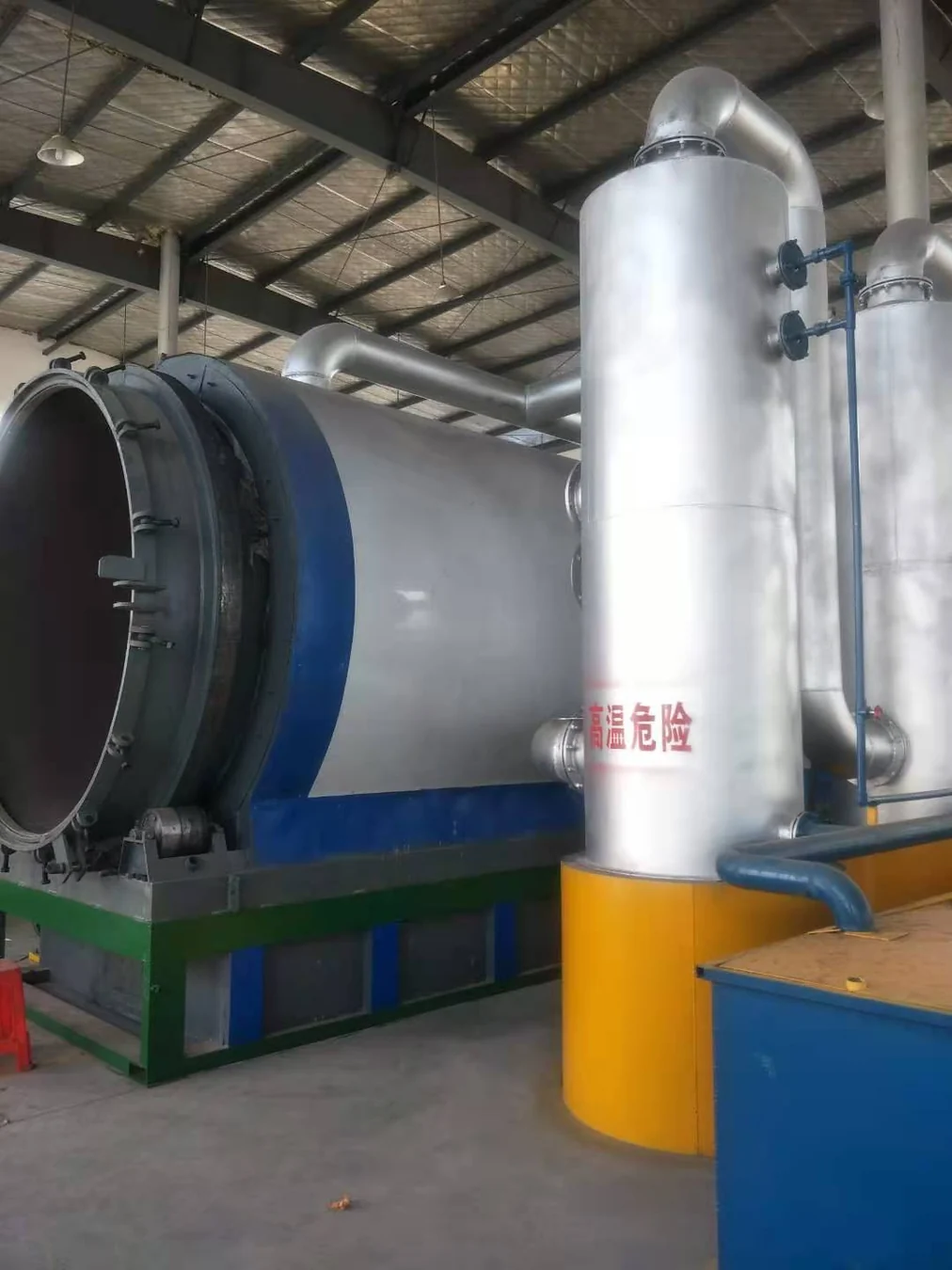
Общий вид четырехблочной пакетной пиролизной установки в Янчэн, Цзянсу (2018), показывающий линию реакторов и планировку прибрежной территории. Фото сделано во время установки и ввода в эксплуатацию в 2018.
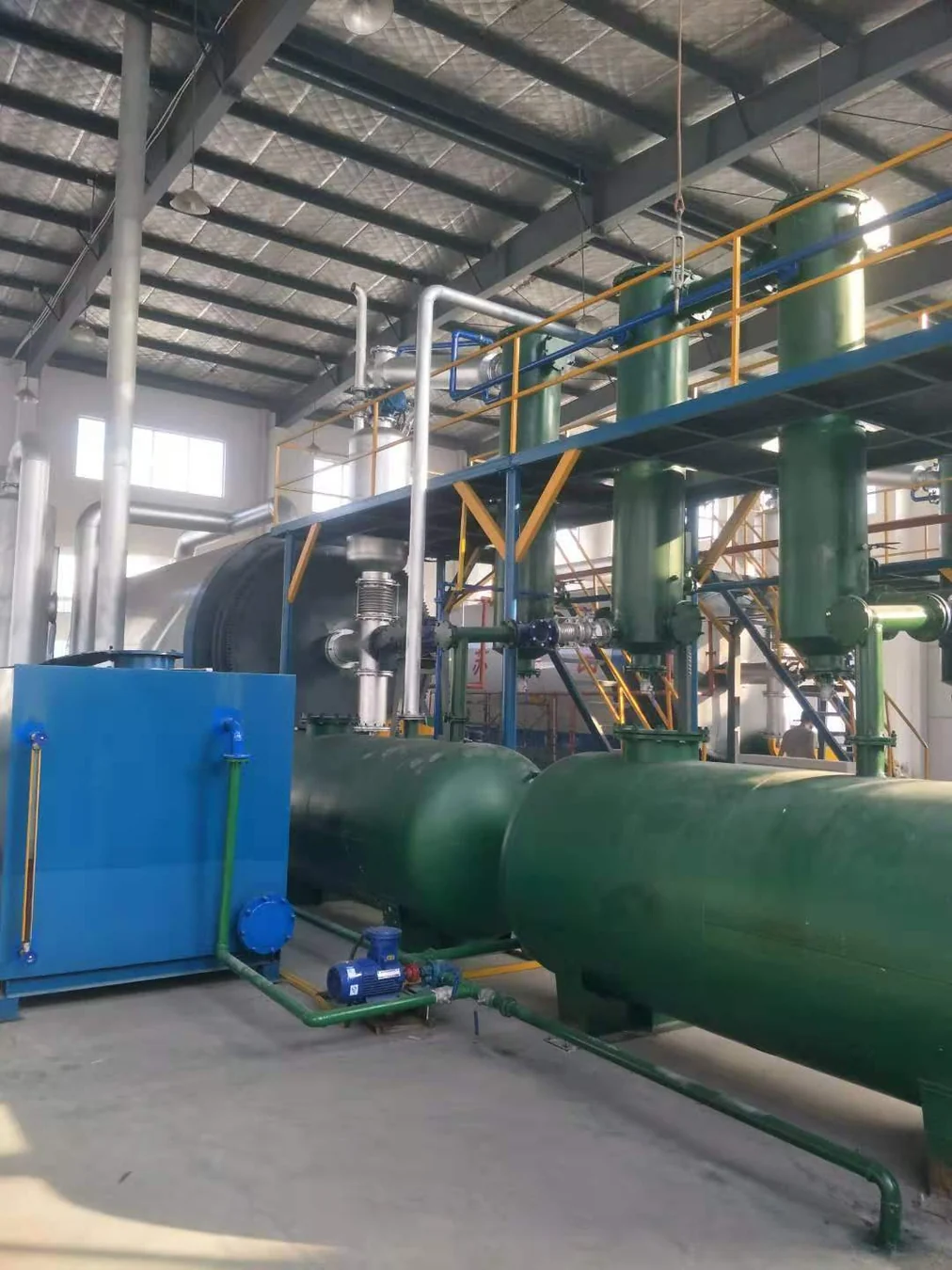
Деталь зоны загрузки сырья и горизонтального вращающегося реактора на проекте в Янчэн, Цзянсу (2018). Фото сделано во время установки и ввода в эксплуатацию в 2018.
Технические характеристики проекта
| Элемент | Техническая спецификация проекта |
|---|---|
| Местоположение | Янчэн, провинция Цзянсу, Китай |
| Год проекта | 2018 |
| Статус | Архивный проект - сданный и введённый в эксплуатацию в 2018 |
| Сырье | Отработанные шины (целые и нарезанные шины, загруженные партиями) |
| Система | XY-8-P/PB пакетная горизонтальная пиролизная установка |
| Количество единиц | 4 |
| Мощность на единицу | 12 Проектная мощность в тоннах в сутки |
| Суммарная проектная мощность | 48 TPD |
| Модель производства | Смежная пакетная эксплуатация с общими системами коммунальных услуг и обработки |
| Основные извлекаемые потоки | Пиролизное масло (топочный мазут), извлеченные углеродистые материалы, стальная проволока; неконденсируемый газ может быть возвращен в систему нагрева при условии, что установленные проектные и эксплуатационные параметры это позволяют |
| Поставщик | Shangqiu Jinpeng Industrial Co., Ltd. |
Что демонстрирует проект
Этот проект демонстрирует возможность организации среднего по размеру пакетного участка, исходя из его логистики, а не только из оборудования. Четыре установки с общей проектной мощностью 48 ТPD показывают, как поэтапное планирование партий, крытое хранение и отгрузка продукции сбалансированы на ровной, доступной прибрежной территории. Для клиента, рассматривающего аналогичный масштаб, справочной ценностью является план приема - хранение, поглощающее нерегулярные поставки - и план отгрузки, так как сбыт продукции в промышленном регионе позволяет использовать проектную мощность. Оценщикам следует наблюдать, поддерживает ли хранение раздельные потоки поступления и отгрузки, соответствует ли план циклов доступной рабочей силе и имеет ли каждая восстановленная поток реалистичный путь отгрузки.
О Jinpeng
Shangqiu Jinpeng Industrial Co., Ltd. разрабатывает и производит периодические, полунепрерывные и непрерывные пиролизные установки, системы дистилляции масла и вспомогательное оборудование для утилизации шин, пластиковых отходов, нефтяных шламов, материалов на основе резины и других подходящих углеродосодержащих сырьевых материалов. Конфигурация проекта разрабатывается с учетом характеристик материалов, производственных целей, условий объекта и применимых местных требований. Для обсуждения проектов посетите www.pyrolysis-machine.com.
Отказ от ответственности
Все мощности, указанные в этой статье, являются проектными значениями; фактическая пропускная способность зависит от характеристик сырья, условий эксплуатации и обслуживания. Полученные количества и свойства продукта (включая пригодность пиролизного масла в качестве мазута) требуют тестирования непосредственного сырья и процесса. Энергопотребление и характеристики выбросов зависят от установленных вспомогательных систем и фактической эксплуатации, а окончательный проект должен соответствовать действующим на объекте нормативным
Примечание архива: Этот ретроспективный обзор основан на проектных записях Jinpeng и фотографиях из периода первоначальной поставки и ввода в эксплуатацию. Он описывает задокументированную конфигурацию проекта и не является подтверждением текущего состояния работы завода.