
Subtítulo: Un sitio de pirólisis por lotes con capacidad de diseño de diez unidades, 120TPD en Chifeng, Mongolia Interior, organizado en torno a la programación por lotes faseada, utilidades compartidas, descarga de sólidos rotativa y una estructura de personal diseñada para atención cíclica en lugar de constante.
Detalles del Proyecto
- Ubicación del Proyecto
- Chifeng, Mongolia Interior, China
- Configuración
- 10 × unidades de pirólisis rotativas horizontales tipo lote XY-8-P/PB
- Capacidad de Diseño Combinada
- 120 TPD (10 × 12 TPD capacidad de diseño por unidad, por lotes)
- Materia prima
- Neumáticos de desecho
- Año del Proyecto
- 2018
- Estado Original del Proyecto
- Entregado y puesto en marcha en 2018
- Estado de Operación Actual
- No verificado de manera independiente
- Proveedor
- Shangqiu Jinpeng Industrial Co., Ltd.
Apertura
Diez reactores por lotes cambian lo que la palabra "lote" significa en un sitio. Una unidad sigue aproximadamente un 24 ciclo de -horas de carga, calentamiento, pirólisis, enfriamiento y descarga, y una sola planta tiene un horario sencillo. Diez unidades con 12 capacidad de diseño TPD cada una - una capacidad de diseño combinada de 120 TPD - plantean un problema diferente. A esta escala, el ciclo por lotes debe ser orquestado de manera que diez reactores compartan los servicios de un sitio, una función de manejo de materiales y un equipo que no puede ser simplemente diez veces el tamaño del equipo de una sola planta. La cuestión interesante en este 2018 proyecto de archivo de Chifeng es, por lo tanto, tanto organizativa como técnica: cómo se planifica la fase de un sitio por lotes grande, cómo se comparten sus servicios, cómo se rota la descarga de sólidos y cómo se estructura la mano de obra a lo largo de diez líneas para que el aumento de escala no multiplique la mano de obra y la infraestructura en proporción.
Antecedentes del proyecto y lógica de configuración
La configuración documentada es de diez 12 unidades de pirólisis por lotes TPD entregadas y puestas en funcionamiento en 2018 Chifeng, Mongolia Interior, para el procesamiento de neumáticos desechados. La elección de diez unidades por lotes en lugar de una línea continua refleja la materia prima y la lógica de producción del sitio. Las plantas por lotes aceptan neumáticos enteros o cortados cargados directamente en el reactor, por lo que la cadena upstream es la recolección y clasificación de neumáticos en lugar de la producción de gránulos; una planta continua de escala comparable requeriría preprocesar la materia prima para obtener gránulos de caucho. Diez unidades idénticas también aportan flexibilidad operativa: las líneas se pueden poner en servicio de manera progresiva, y una parada de mantenimiento en un reactor no detiene el sitio.
A esta escala, la infraestructura del sitio domina el diseño. Un sitio de diez unidades concentra el agua de enfriamiento, el tratamiento de gases de combustión, el manejo de gases no condensables, el control y el almacenamiento de productos en una sola dirección, por lo que la configuración se diseñó en torno a los servicios y el cronograma tanto como a los propios reactores. El principio organizativo es que diez unidades operan como un sitio gestionado en conjunto en lugar de como diez plantas independientes: las fases están escalonadas, los servicios se comparten y se dimensionan para superposiciones realistas, y las funciones de manejo se rotan a través de las líneas. Una ubicación en el norte de Mongolia Interior también introduce consideraciones de temporada fría en el diseño de los servicios, particularmente para los sistemas de agua de enfriamiento y condensación, aunque el registro documentado de este proyecto cubre la configuración entregada más que la historia operativa estacional.
Tecnología Principal y Análisis de Producción
Cada unidad XY-8-P/PB es un reactor rotatorio horizontal, calentado de manera indirecta, que opera bajo micropresión negativa con una atmósfera inerte durante la fase de pirólisis; la rotación lenta (del orden de 0.4 r/min) mantiene el material expuesto a la carcasa calentada. El ciclo por unidad -carga, precalentamiento, pirólisis, enfriamiento, descarga- se desarrolla en el rango de 22-24 horas en condiciones de diseño. En un sitio de diez unidades, cinco aspectos de la organización sustentan la lógica de producción.
Fases del ciclo por lotes
El principio organizativo del sitio es la fase: los tiempos de inicio de los reactores están escalonados para que las etapas del proceso no coincidan en las diez líneas. A cualquier hora dada, algunos reactores están en pirólisis, otros en enfriamiento, y uno o dos en carga o descarga. La fase distribuye la demanda de calor, agua de enfriamiento y atención del operador a lo largo del día en lugar de concentrarla, y le da al sitio un perfil de producción más estable de lo que sugeriría el ciclo de lote bruto. El programa solo funciona si las utilidades y la capacidad de manejo están dimensionadas para las etapas superpuestas, por lo que la fase es una característica de diseño del sitio más que un pensamiento posterior de programación.
Arquitectura compartida de utilidades
Lo que convierte diez unidades en una planta es la capa de utilidad. El circuito de agua de enfriamiento está dimensionado para el caso más desfavorable realista de superposición de fases de enfriamiento en lugar de para diez enfriamientos simultáneos. Los gases de combustión de las unidades se dirigen al sistema de tratamiento instalado -una torre de pulverización con lavado alcalino y una torre de adsorción para desulfurización y despolvorización- diseñada para cumplir con los requisitos locales de emisión bajo condiciones operativas adecuadas. Los gases no condensables del proceso pueden devolverse al sistema de calefacción donde lo permita el diseño y las condiciones de operación instaladas, lo que potencialmente reduce la demanda externa de combustible del sitio. Un punto de control compartido permite a los operadores supervisar grupos de reactores, ya que gran parte del ciclo es tiempo de pirólisis no atendido bajo monitoreo.
Rotación de descarga y manejo de sólidos
Cada lote completado produce aceite de pirólisis más dos corrientes sólidas: material carbonáceo recuperado y alambre de acero. Si los diez reactores descargaran al mismo tiempo, la manipulación de sólidos necesitaría diez veces la mano de obra y el almacenamiento en un período corto. Con ciclos escalonados, los eventos de descarga llegan en intervalos, y una única función de manejo de materiales puede rotar entre las líneas: enfriando los sólidos descargados, moviéndolos al almacenamiento y separando el alambre de acero para su reciclaje. A esta escala, la rotación de descargas es tanto un asunto de planificación de producción como el programa de carga, porque el material carbonáceo recuperado es un producto sólido con sus propios requisitos de manejo, almacenamiento y despacho.
Estructura laboral en diez líneas
La línea XY-8-P/PB está diseñada alrededor de la operación controlada por PLC con una pequeña presencia de operadores por planta. En diez líneas, la estructura del personal sigue el ciclo: la atención se concentra donde realmente se necesita gente -carga, ignición y verificaciones de precalentamiento, descarga y manejo del producto- mientras que la fase de pirólisis funciona en gran medida sin atención directa bajo supervisión. La organización práctica es, por lo tanto, un equipo dispuesto por función: operadores de línea que cubren grupos de reactores desde el punto de control compartido, personal de manejo de materiales para carga y descarga, y una función de mantenimiento para los vasos rotativos, los accionamientos y los sistemas de tratamiento. La orientación para la instalación y la capacitación de operadores formaban parte del alcance de la entrega.
Ingreso, almacenamiento y flujo de materia prima
Diez unidades con capacidad de diseño de 12 TPD consumen una gran cantidad continua de neumáticos desechados. El sitio necesita almacenamiento de neumáticos que absorba las llegadas irregulares de recolección, un área de ingreso adecuada a las ranuras de carga del programa por fases y almacenamiento protegido donde las condiciones locales lo requieran. Debido a que el proceso acepta neumáticos enteros o cortados, la cadena de materia prima es recolección, clasificación y dimensionamiento, en lugar de producción de caucho triturado. La disposición de almacenamiento e ingreso forma parte del diseño organizativo: el ingreso debe alimentar el programa, no al revés.
Foto 1
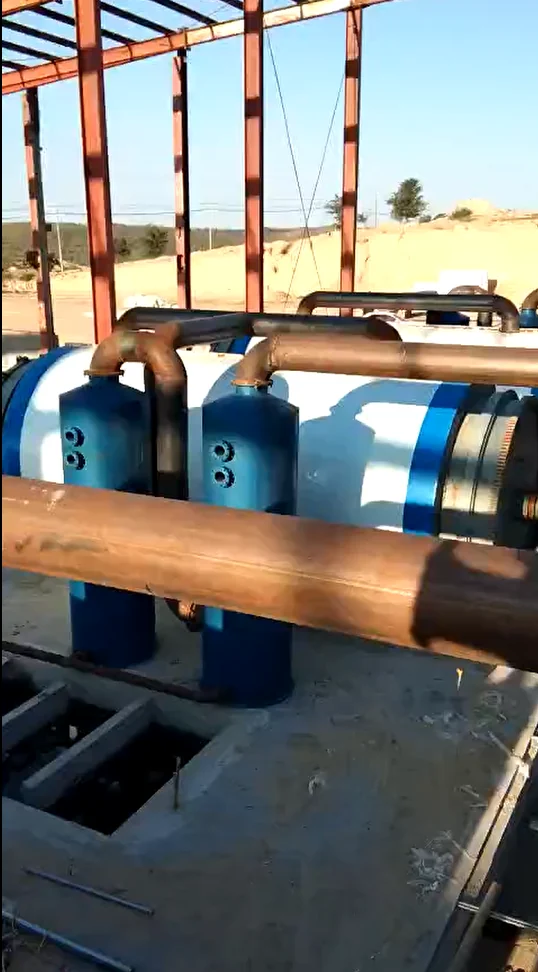
Vista general del sitio de pirólisis por lotes de diez reactores en Chifeng, Mongolia Interior, mostrando la fila de reactores y la infraestructura compartida del sitio. Foto tomada durante la instalación y puesta en marcha en 2018.
Foto 2
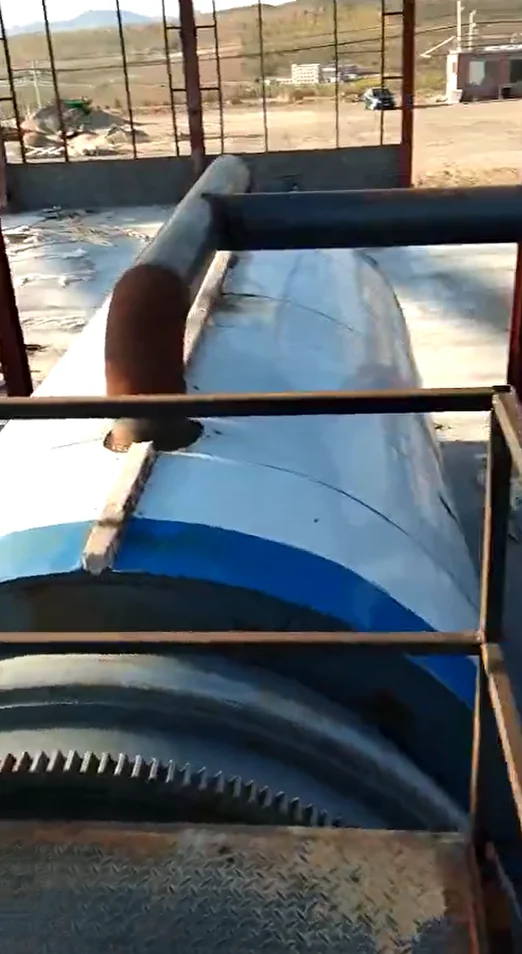
Detalle del proceso de una unidad de pirólisis por lotes en el sitio de Chifeng, mostrando el reactor rotatorio horizontal y sus sistemas de soporte. Foto tomada durante la instalación y puesta en marcha en 2018.
Especificaciones del proyecto
| Artículo | Especificación del proyecto |
|---|---|
| Ubicación | Chifeng, Mongolia Interior, China |
| Año del proyecto | 2018 |
| Estado | Proyecto de archivo histórico - entregado y puesto en marcha en 2018; estado operativo actual no verificado de manera independiente |
| Materia prima | Neumáticos usados (enteros o cortados, cargados por lotes) |
| Sistem | Pirólisis tipo lote (reactores rotatorios horizontales XY-8-P/PB; calentamiento indirecto; micropresión negativa; atmósfera inerte) |
| Número de unidades | 10 |
| Capacidad por unidad | 12 TPD capacidad de diseño (por lotes) |
| Capacidad combinada de diseño | 120 TPD (10 × 12 TPD, por lotes) |
| Modelo de producción | Programación por lotes en fases a lo largo de diez líneas; utilidades compartidas de agua de enfriamiento, gas y tratamiento de gases de combustión; descarga de sólidos rotativa |
| Principales flujos recuperados | Aceite de pirólisis (fuel oil), material carbonáceo recuperado, alambre de acero; el gas no condensable puede ser devuelto al sistema de calentamiento donde el diseño instalado y las condiciones de operación lo permitan |
| Proveedor | Shangqiu Jinpeng Industrial Co., Ltd. |
Lo que demuestra el proyecto
Este proyecto de archivo demuestra el lado organizativo de los sitios de lotes grandes: diez reactores operando como un solo sitio gestionado a través de fases, utilidades compartidas y rotación de descargas, con una estructura de personal construida alrededor de la atención cíclica en lugar de un equipo completo por reactor. Para los clientes que consideran una escala de múltiples unidades, el valor de referencia radica en lo que la configuración muestra sobre la diferencia entre poseer diez reactores y operar un programa de diez unidades. Los evaluadores deben observar el dimensionamiento de las utilidades compartidas para etapas de proceso simultáneas, la capacidad de almacenamiento de insumos y sólidos, el modelo de personal y las obligaciones de cumplimiento del sitio: la escala en la pirólisis por lotes es un problema de programación e infraestructura tanto como un problema de equipos.
Acerca de Jinpeng
Shangqiu Jinpeng Industrial Co., Ltd. diseña y fabrica plantas de pirolisis por lotes, semicontinuas y continuas, sistemas de destilación de aceite y equipos de apoyo para neumáticos desechados, plásticos desechados, lodos de aceite, materiales derivados del caucho y otras materias primas ricas en carbono adecuadas. La configuración del proyecto se desarrolla en torno a las características del material, los objetivos de producción, las condiciones del sitio y los requisitos locales aplicables. Para discusiones sobre el proyecto, visite www.pyrolysis-machine.com.
Aviso Legal
Este artículo describe un proyecto de archivo histórico y no verifica el estado operativo actual de la planta. Todas las capacidades son valores de diseño; el rendimiento real depende de la calidad de la materia prima y de las condiciones de operación. Los rendimientos y propiedades de los productos -incluido el material carbonáceo recuperado y el aceite de pirólisis- deben establecerse mediante pruebas de la materia prima real y del proceso instalado. El rendimiento energético y de emisiones depende de los sistemas auxiliares, del equipo de tratamiento instalado y de la operación real, y el diseño final debe cumplir con las regulaciones locales y los requisitos de emisiones.
Nota de archivo: Esta retrospectiva se basa en los registros del proyecto de Jinpeng y fotografías del período de entrega y puesta en marcha originales. Describe la configuración del proyecto documentada y no constituye una verificación del estado operativo actual de la planta.