
تفاصيل المشروع
- موقع المشروع
- باوتو، منغوليا الداخلية، الصين - مدينة صناعية يعتمد اقتصادها على صناعة الصلب والتعدين والنقل الثقيل
- التكوين
- عشر وحدات تفكيك حراري دوراني أفقي من نوع XY-8-P / PB على دفعات، كل منها بقدرة تصميمية 12 طن/يوم
- السعة التصميمية الإجمالية
- 120 طن/يوم (10 وحدات × 12 طن/يوم، القيم التصميمية)
- المواد الخام
- الإطارات التالفة (كاملة أو مقطعة، محملة على دفعات)
- سنة المشروع
- 2019
- الحالة الأصلية للمشروع
- تم تسليمها وتشغيلها في 2019
- الحالة التشغيلية الحالية
- لم يتم التحقق منها بشكل مستقل
- المورد
- شانغتشيو Jinpeng Industrial Co., Ltd. (PYROJIN)
الافتتاح
وجود عشر مفاعلات على دفعات في ساحة واحدة يظهر رأسمالاً كبيراً. أما جدول تشغيل عشر وحدات فعاملة فهو يعكس العمليات - وهما ليسا الشيء نفسه. مشروع باوتو، الذي تم تسليمه وتشغيله في 2019، هو حالة أرشيفية حول هذا الفارق: عشر وحدات تفكيك حراري على دفعات بقدرة 12 طن/يوم في مدينة صلب بمنغوليا الداخلية، مصممة مقابل منطقة تجمع كثيفة للنواميس المستهلكة ومنظمة بحيث تعمل الأجهزة المثبتة بالإيقاع اليومي. كقائمة شراء، يقدم الموقع 120 طن/يوم من القدرة التصميمية. كخطة إنتاج، فهو دوران - وهذا الدوران، وليس عدد المفاعلات، هو ما يجعله مصنعًا وليس مجرد ساحة للآلات.
خلفية المشروع ومنطق التكوين
باوتو مدينة صناعية. تركّز صناعة الصلب والتعدين والنقل الثقيل المركبات الكبيرة والإطارات الضخمة ضمن دائرة صغيرة، ويأتي معها قوة عاملة صناعية وطاقة ووقود وممرات نقل. هذا هو البيئة التي صُمّم فيها موقع بعشر وحدات: منطقة جذب كثيفة بما يكفي لتبرير شهية كبيرة، وبنية تحتية قوية بما يكفي لدعمها.
تم تصميم التكوين حول منطق منطقة الجذب تلك: عشر وحدات دفعية بسعة تصميمية قدرها 12 طن يوميًا لكل منها تعطي 120 طن يوميًا مجتمعة - وهو حجم لا معنى له إلا حيث يمكن الحفاظ على حجم ومدى intake، لأن المصانع الدفعية لا تستطيع تعويض ضعف الإمداد عن طريق التشغيل بسرعة أكبر. في منطقة صناعية، تكون الإطارات المتوفرة تدفقًا على مدار السنة من شاحنات وحافلات وإطارات معدات الطرق الوعرة، وتم تصميم الموقع لاستقبالها كاملة أو تقطيعها وتجهيزها نحو خط المفاعل. تم تحديد الحجم بما يمكن أن توفره الاقتصاد المحيط، وليس بعدد ما يملأ الفناء.
التقنية الأساسية وتحليل الإنتاج
كثافة المواد الخام وشهية الوحدات العشر
سعة التصميم المجمعة تصل إلى 120طن/يوم هي شهية كبيرة، ومعدات الدفع الدفعي لا تغفر وجود مفاعل فارغ: كل وحدة ملتزمة بدورة ثابتة بمجرد بدء التحميل. بعبارات التصميم العامة، تميل تدفقات الإطارات في منطقة صناعية نحو الأقطار الأكبر - إطارات النقل والإطارات غير المخصصة للطريق - التي تحمل نطاق مرجعي أعلى لعائد الزيت مقارنةً بإطارات الركاب بينما تسهم أيضًا بسلك فولاذي أكثر لكل طن. هذا المزيج يزيد من جزء الأسلاك المعالَج عند التفريغ ويجعل تخطيط الاستقبال الذي يحافظ على تغذية عشرة مفاعلات بالتناوب أمرًا ضروريًا. يتم تحميل الإطارات الكاملة أو المقطعة على دفعات، وكان التخزين يحتاج لربط التوصيلات والدورة.
الدورة الدفعية كأساس للإيقاع
كل وحدة هي مفاعل دوار أفقي، يتم تسخينه بشكل غير مباشر مع المواد تحت ضغط خامل، لا هوائي، وميكرو سلبي، يدور بسرعة حوالي 0.4 دورة/دقيقة في غلاية Q345R بغطاء فولاذي. تدور دورة التصميم النموذجية تقريبًا 22-24 ساعات: ساعتان للتحميل، أربع ساعات للتسخين المسبق، عشر ساعات للتحليل الحراري، أربع إلى ست ساعات للتبريد، وساعتان للتفريغ. الأهمية ليست في أي مرحلة منفردة ولكن في الدورة عبر عشر وحدات: في أي ساعة تكون المفاعلات في مراحل مختلفة - واحدة في التحميل، اثنتان في التسخين المسبق، أربع في التحليل الحراري، اثنتان في التبريد، واحدة في التفريغ. إيقاع المصنع هو جمع الدورات العشر المتداخلة.
عشرة مفاعلات مقابل جدول عمل لعشرة وحدات
هذا هو الاختلاف الأساسي في القضية. "عشرة مفاعلات" هو بيان عن الأجهزة - عدد الأوعية والمحرّقات والأساسات. "جدول لعشرة وحدات" هو بيان تشغيل - التسلسل الذي يحدد دور كل مفاعل في أي ساعة. إذا بدأت جميع الوحدات العشرة في الوقت نفسه، سيكون من الضروري تصميم الأنظمة المشتركة لتحمل الذروة المتزامنة: عشرة مكثفات على الحمولة الكاملة، عشرة أحداث تصريف في بعد ظهر واحد، معالجة غازات المداخن تتأثر بعشرة مراحل تسخين مسبقة في وقت واحد. الترتيب العملي يؤجل التشغيل بحيث يتم توزيع حمل المرافق: تبريد وحدة واحد يتداخل مع التحلّل الحراري لوحدة أخرى، وأحداث التصريف - عندما تخرج الأسلاك الفولاذية والمواد الكربونية المسترجعة - تتوزع على مدار اليوم بدلاً من تراكمها في وردية واحدة. هذه هي المسافة بين القدرة التصميمية على الورق ومعدل الإنتاج المستدام.
التحميل، والتصريف والدوران اليومي للمواد
نظرًا لأن التفريغ هو حدث مادي وليس قراءة عملية، فإن الجدول ينظم أيضًا العمالة والمناولة. كل تفريغ ينتج مواد كربونية مستعادة وأسلاك فولاذية؛ مع توقيت متدرج، يتم تفريغ وحدة أو وحدتين في وقت واحد، وتُستخدم طاقم المناولة ومنطقة التبريد ومنطقة التجهيز بشكل مستمر بدلاً من الانفجارات. التحميل يتبع نفس المنطق: تتحرك الإطارات من التخزين إلى فم المفاعل حسب وتيرة الدوران.
المرافق المشتركة ومعالجة الانبعاثات
تشارك عشر وحدات في العمود الفقري للمرافق بالموقع، وتم تصميم سلسلة المعالجة حول ذلك. يمر غاز المداخن خلال برج رش للتحييد القلوي وبرج امتصاص لإزالة الكبريت والغبار - مصمم لتلبية متطلبات الانبعاثات المحلية تحت ظروف التشغيل المناسبة. يعمل جانب العملية تحت ضغط سلبي دقيق للحفاظ على الغاز داخل النظام. يمكن إعادة الغاز غير المتكاثف الناتج عن التحلل الحراري إلى نظام التسخين حيث يسمح التصميم وترتيبات التشغيل المثبتة بذلك؛ التفاصيل تعتمد على التكوين المثبت.
تيارات المنتجات والتخزين والمنافذ المحلية
التيارات الرئيسية المستردة هي زيت التحلل الحراري (زيت وقود)، والمواد الكربونية المستردة، وأسلاك الصلب. في منطقة صناعة الصلب، يتوافق جزء الأسلاك مع قنوات الخردة المحلية المعروفة، على الرغم من أن المبيعات تعتمد على ظروف السوق المحلية والفحوصات. المواد الكربونية المستردة تحتاج إلى معالجة إضافية وفحوصات قبل اعتبارها من الدرجة التجارية، وعوائد الزيت ليست ثابتة: فهي تعتمد على نوع الإطارات وحالة الدفعة ومعلمات التشغيل، وتحتاج إلى الفحص بدلاً من الافتراض.
صورة 1
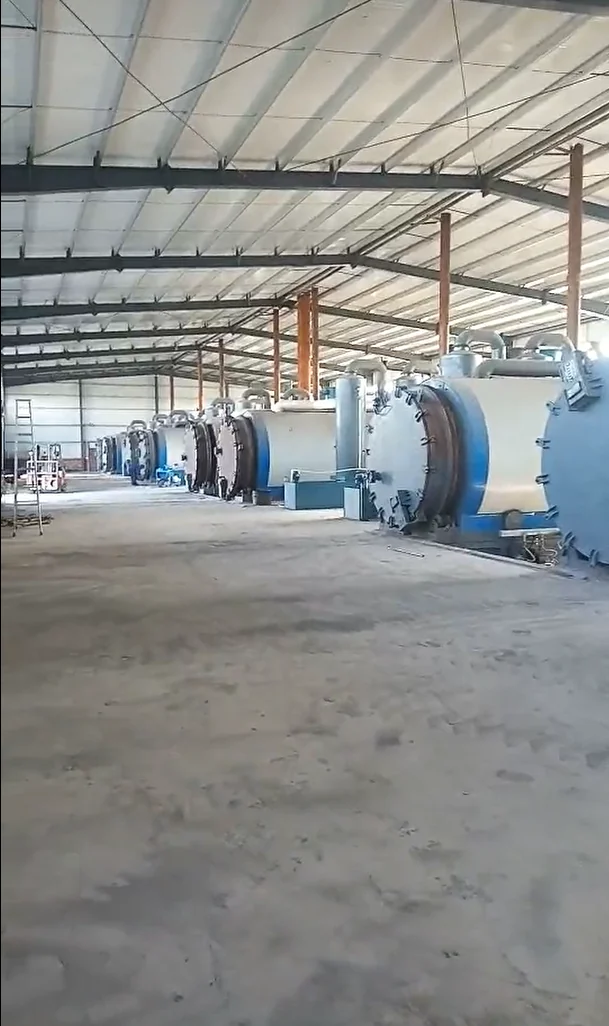
عرض عام لموقع التحلل الحراري المكون من عشر وحدات في باوتو، منغوليا الداخلية، يظهر خط المفاعل والمناطق المشتركة للعملية خلف جدول العمل. تم التقاط الصورة أثناء التركيب والتشغيل في 2019.
صورة 2
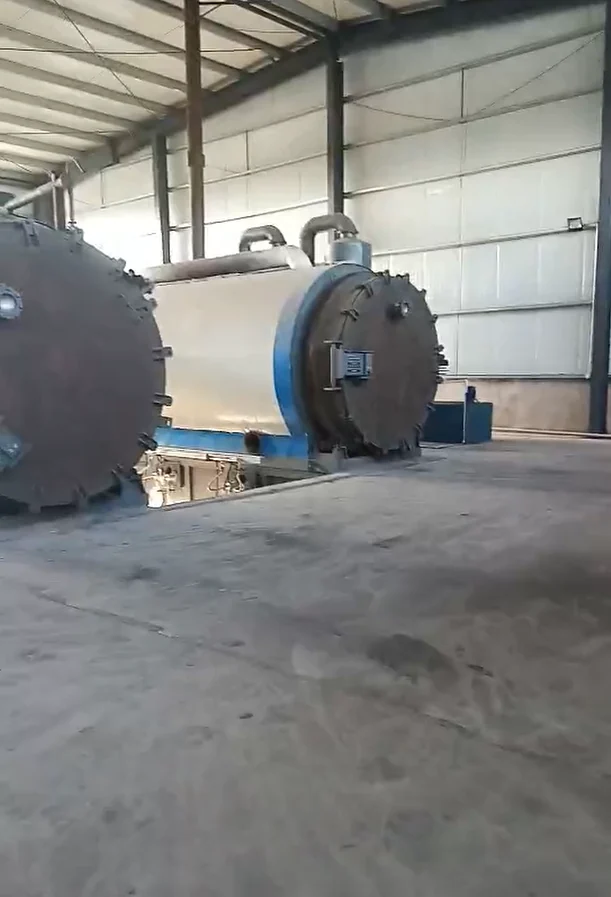
تفاصيل العملية لوحدة التحلل الحراري في موقع باوتو - ترتيب المفاعل والتسخين والتكثيف - خلف دوران الوحدات المتعددة. تم التقاط الصورة أثناء التركيب والتشغيل في 2019.
مواصفات المشروع
| العنصر | مواصفة المشروع |
|---|---|
| الموقع | باوتو، منغوليا الداخلية، الصين |
| سنة المشروع | 2019 |
| الحالة | مشروع أرشيف تاريخي؛ الوضع التشغيلي الحالي لم يتم التحقق منه بشكل مستقل |
| المواد الخام | الإطارات التالفة (كاملة أو مقطعة، محملة على دفعات) |
| النظام | وحدات تحلل حراري أفقية من نوع الدفعة XY-8-P / PB؛ تسخين غير مباشر؛ خامل، لا هوائي، ضغط سلبي مجهري |
| عدد الوحدات | 10 |
| القدرة لكل وحدة | 12 القدرة التصميمية بالطن يوميًا |
| القدرة التصميمية المجمعة | 120 طن يوميًا (القيمة التصميمية) |
| نموذج الإنتاج | تشغيل بالدفعات مع جدولة متعددة للوحدات متداخلة |
| تيارات الاسترداد الرئيسية | زيت التحلل الحراري (زيت وقود)، المواد الكربونية المستردة، أسلاك الحديد؛ يمكن إعادة الغاز غير المتكثف إلى التسخين حيثما تسمح شروط التصميم والتشغيل |
| المورد | Shangqiu Jinpeng Industrial Co., Ltd. |
ما يوضحه المشروع
توضح حالة باوتو أن تكوينات جينبنج الكبيرة للدفعات تُسلَّم كنظم تشغيل، وليست مجموعات من المفاعلات: تم ضبط مقياس العشر وحدات لاستيعاب المواد الخام الصناعية الكثيفة، ومنطق الإنتاج هو جدول متدرج يوزّع التحميل، التحلل الحراري، التبريد، التفريغ وحمل الخدمات خلال اليوم. بالنسبة للعملاء الذين يفكرون في موقع مماثل، هناك ثلاث نقاط تحقق مهمة: ما إذا كان الاستيعاب المحلي يمكنه دعم القدرة التصميمية المجمعة من حيث الحجم والتواتر؛ وما إذا كانت التخزين والتفريغ والطرق المساعدة مصممة لحمل موزع بدلاً من حمولة متزامنة؛ وما إذا كان التشغيل مخططًا كدوران من اليوم الأول. يجب على المقيمين متابعة الجدول - توقيت البدء، توزيع أحداث التفريغ، توازن الأنظمة المشتركة - لأن هذا هو ما يصنع أو يحطم موقع العشر وحدات.
About Jinpeng
Shangqiu Jinpeng Industrial Co., Ltd. تصمم وتصنع مصانع التحلل الحراري الدفعاتي، شبه المستمرة، وأنظمة تقطير النفط، والمعدات الداعمة لإطارات النفايات، والبلاستيك النفايات، وحمأة الزيت، والمواد المشتقة من المطاط، وغيرها من المواد الخام الغنية بالكربون المناسبة. يتم تطوير تكوين المشروع حول خصائص المواد، وأهداف الإنتاج، وظروف الموقع، والمتطلبات المحلية القابلة للتطبيق. لمناقشة المشروع، زوروا< www.pyrolysis-machine.com.
تنويهaالتن
تصف هذه المراجعة التراجعية تكوين المشروع الموثق من فترة التسليم والتشغيل الأصلية. جميع القدرات هي قيم تصميمية؛ الإنتاج الفعلي يعتمد على حالة المواد الخام، ومعايير التشغيل وإدارة الموقع. العوائد وخصائص المنتج - بما في ذلك جودة زيت التحلل الحراري، والمواد الكربونية المستردة وسلك الصلب - غير مضمونة ويجب تأكيدها من خلال الاختبارات. أداء الطاقة والانبعاثات يعتمد على الأنظمة المساعدة والظروف التشغيلية الفعلية، ويجب أن يلتزم التصميم النهائي باللوائح المحلية السارية.
ملاحظة أرشيفية: "تستند هذه المراجعة التراجعية إلى سجلات مشروع Jinpeng والصور الفوتوغرافية من فترة التسليم والتشغيل الأصلية. تصف تكوين المشروع الموثق ولا تشكل تحققًا من حالة تشغيل المصنع الحالية."