
أربعة 12وحدات دفعة TPD لمشغل ثاني في نفس المدينة ونفس العام - إشارة إلى نضج السوق بقدر ما هي تكوين آلة.
تفاصيل المشروع
- موقع المشروع
- بويانغ، مقاطعة خنان، الصين
- التكوين
- 4 × 12 وحدات الانحلال الحراري الدورانية الأفقية من نوع الدفعة TPD (XY-8-P/PB سلسلة)
- السعة التصميمية الإجمالية
- 48القدرة الإجمالية للطاقة (TPD (4 وحدات × 12 قدرة التصميم لكل وحدة TPD)
- المواد الخام
- الإطارات التالفة (كاملة أو مقطعة، محملة على دفعات)
- سنة المشروع
- 2018
- الحالة الأصلية للمشروع
- تم التسليم والتكليف في 2018؛ تم الاحتفاظ بصور التركيب في أرشيف مشروع جينبينج
- الحالة التشغيلية الحالية
- لم يتم التحقق منها بشكل مستقل
- المورد
- شانغتشيو Jinpeng Industrial Co., Ltd. (PYROJIN)
مدينة تتسع لمصنعين
السؤال الأول المعتاد هو ما إذا كانت المدينة تنتج ما يكفي من إطارات النفايات لمصنع واحد. السؤال الأكثر وضوحًا - وهو السؤال الذي يعتمد عليه هذا السجل الأرشيفي - هو ما إذا كان هناك ما يكفي لمصنعين. مدينة بويانغ، وهي مدينة صناعية نفطية في شمال شرق خنان، أجابت في 2018: تُظهر سجلات أرشيف جينبنج تسليمين لنفس المدينة في ذلك العام - تركيب مكون من ست وحدات لمشغل واحد، والمصنع المكون من أربعة وحدات، 48 TPD الموثق هنا للمصنع الثاني. يعتبر وجود مصنع ثانٍ ضمن حوض واحد أمرًا منطقيًا فقط بعد أن يثبت الأول أن المواد الخام يمكن جمعها والمنتج يمكن بيعه.
خلفية المشروع ومنطق التكوين
بويانغ، الواقعة عند تقاطع خنان، شاندونغ، وخبي ومرتبطة بمنطقة حقل الزيت شونغيوان، تولد تدفقًا مستمرًا من إطارات الشاحنات والركاب من خلال نشاط الشحن. بحلول 2018 كانت المدينة قد استضافت بالفعل تركيب جينبنج الدفعي المكون من ست وحدات؛ كانت قنوات جمع الإطارات التالفة، والمشترين لزيت الوقود والمواد الكربونية المستخرجة، وسابقة اختيار الموقع موجودة جميعها. لم يكن يحتاج المشغل الثاني إلى بناء سوق من الصفر؛ كان العمل يتعلق بتحديد الحجم والمنافسة والتشغيل.
أربع وحدات - 48 سعة التصميم الإجمالية بالطن يوميًا - تقع بين نقطة دخول من وحدتين (24 طن يوميًا) ومنشأة ذات ست وحدات (72 طن يوميًا) سبقتهم. تشارك هذه التهيئة البنية التحتية الداعمة عبر جميع المفاعلات الأربع: تخزين المواد الخام، خزانات المنتجات، ونظام معالجة الغازات المداخنية، الذي يتم تحديد حجمه مرة واحدة لكل خط. كما تنقسم الأربع وحدات إلى زوجين - دورة تشغيل قابلة للتطبيق بدون عبء جدول زمني للخط الأكبر عددًا، وشكل منطقي لمشغل ثاني يشارك نفايات الإطارات في المدينة مع مشغل قائم.
التقنية الأساسية وتحليل الإنتاج
ما الذي تشير إليه محطة ثانية في مدينة واحدة
يمكن بناء محطة التحليل الحراري الثانية في نفس المنطقة فقط بمجرد إثبات الأساسيات. لا يحتاج الجمع إلى اختراع: يتجه تجار الخردة، وأسطول الشاحنات، ومستودعات الحافلات، ومتاجر الإطارات بالفعل نحو المعالجات؛ تتنافس المحطة الجديدة ضمن تلك القنوات. كما أن مبيعات المنتجات مثبتة أيضًا - استمرار وجود المشغل الأول يوحي بالمشترين المحليين للزيت الوقودي، والمواد الكربونية المستعادة، وأسلاك الصلب. عند قراءتها كإشارة سوق، تشير محطة الأربع وحدات إلى أن نفايات الإطارات في المدينة كانت كافية لإقامة منشأتين - استنتاج من سجل الأرشيف، وليس بيانًا عن نتائج أي من المحطتين.
أربع وحدات كتهيئة وسطية
القدرة التصميمية المشتركة بالطن يوميًا (TPD) تقع بين تكوين إدخال مكون من وحدتين وتركيب مكون من ست وحدات تم تسليمه في نفس العام.48بالنسبة لمشغل ثانٍ في سوق تنافسية، توازن الوحدات الأربعة بين الإنتاجية مقابل مخاطر المواد الأولية: قدرة كافية لتبرير المرافق المشتركة وخط معالجة مناسب، ولكن ليست كبيرة لدرجة أن الموقع يعتمد على الفوز بمعظم إطارات المدينة.8الوحدات الأربعة لمفاعلات متطابقة من نوع XY--P/PB ذات طبيعة تشغيل دفعية و12قدرة تصميمية بالطن يوميًا (TPD)، مرتبة حول منطقة عملية واحدة مع مساحة لوحدات لاحقة.
الدوران الدوري عبر أربعة خطوط
تتبع كل وحدة دفعية دورة تقريبية مدتها 22-24 ساعات: التحميل، التسخين المسبق، التحلل الحراري، التبريد، والتفريغ. تعني التناوب في الدورات أن خطين يمكن أن يكونا في مرحلة التحلل الحراري بينما يقوم خط ثالث بالتبريد ورابع يتم تحميله أو تفريغه. الفائدة ليست زيادة الإنتاجية ولكن جعل الطلب على العمالة واللوجستيات أكثر ثباتًا: يتم تحصيل المواد على دفعات لتتوافق مع اللحظة التي يكون فيها المفاعل جاهزًا، وتخرج المنتجات من خزان التخزين بشكل ثابت. التوجيه التصميمي لهذه الفئة يفترض مشغلًا إلى مشغلين؛ الدورات المتناوبة تجعل ذلك واقعيًا.
المنافسة على الاستلام والتخطيط للمواد الخام
مصنعان في مدينة واحدة يخططان لاستقبال المواد بشكل مختلف عن مشغل منفرد. نطاق التوريد مهم: إطارات السيارات والشاحنات تختلف في الكتلة، السلك، والتركيب، وقبول الإطارات الكاملة أو المقطوعة يوسّع قاعدة الموردين. تصميم الدفعات يساعد: كل وحدة 12 طن يوميًا تأخذ شحنتها في عملية تحميل واحدة عند بداية الدورة، لذلك تتراكم الإطارات في التخزين وتُحمل المفاعلات عندما يتجمع التوريد، وليس من تيار وارد مستمر. مخزن التخزين هو الحل العملي لمنافسة المواد الخام - عندما تتغير أنماط الجمع، يشتري المخزن المخزون وقتًا.
تيارات المنتجات وحدودها
التيارات المستردة هي زيت التحلل الحراري، المادة الكربونية المستردة، أسلاك الصلب، والغاز غير المتكثف - وتسميتها بدقة مهمة. الزيت هو تيار زيت وقود؛ سيحتاج مواصفات الديزل مثل EN590 إلى مزيد من التقطير والمعالجة بالأكسدة والاختبارات المعتمدة. المادة الصلبة هي المادة الكربونية المستردة، وليست أسود الكربون التجاري إلا إذا عولجت بعمق وتم اختبارها على هذا النحو. يمكن إعادة الغاز غير المتكثف إلى نظام التسخين حيثما تسمح التصميمات والتركيبات التشغيلية بذلك. في مدينة بها مصنعان، يتم مشاركة السوق لهذه التيارات - سبب آخر لأهمية النطاق المتوسط والتخزين والدوران المستمر.
معالجة الانبعاثات تحت الرقابة المشتركة
المدينة التي تستضيف بالفعل مصنعًا واحدًا للتحلل الحراري لديها نقطة مرجعية للمصنع الثاني. التصميم المثبت لمعالجة هذا النوع من المصانع هو نظام مغلق منخفض الضغط الميكروي حيث يمر الغاز الناتج عن المدخنة عبر برج رش (معادلة قلوية) وبرج امتزاز (إزالة الكبريت والغبار)، مصمم لتلبية متطلبات الانبعاثات المحلية المعمول بها. تحت ظروف التشغيل المناسبة وبعد النظام المثبت للمعالجة، تعتمد الأداء البيئي على المعدات المساعدة وكيفية تشغيلها - الفحص الرئيسي في المدينة التي تحتوي على مصنعين هو ما إذا كان خط المعالجة مصمم لتحمل الحمولة الكاملة 48 طن يوميًا.
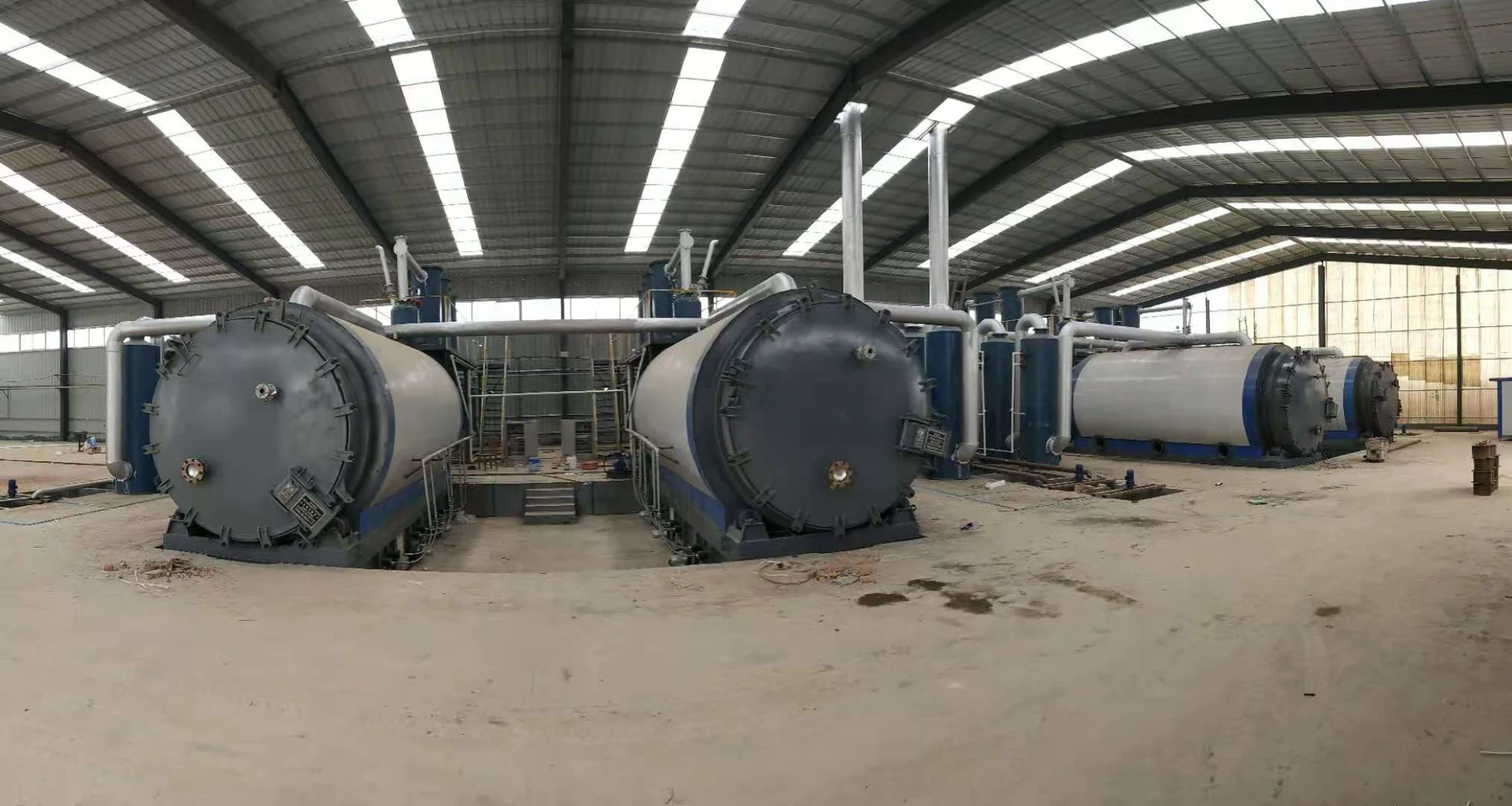
عرض عام لموقع التحلل الحراري للإطارات من أربع وحدات في بويانغ، هينان، يظهر خطوط المفاعل والمنطقة المشتركة للعملية. تم التقاط الصورة أثناء التركيب والتشغيل في 2018.
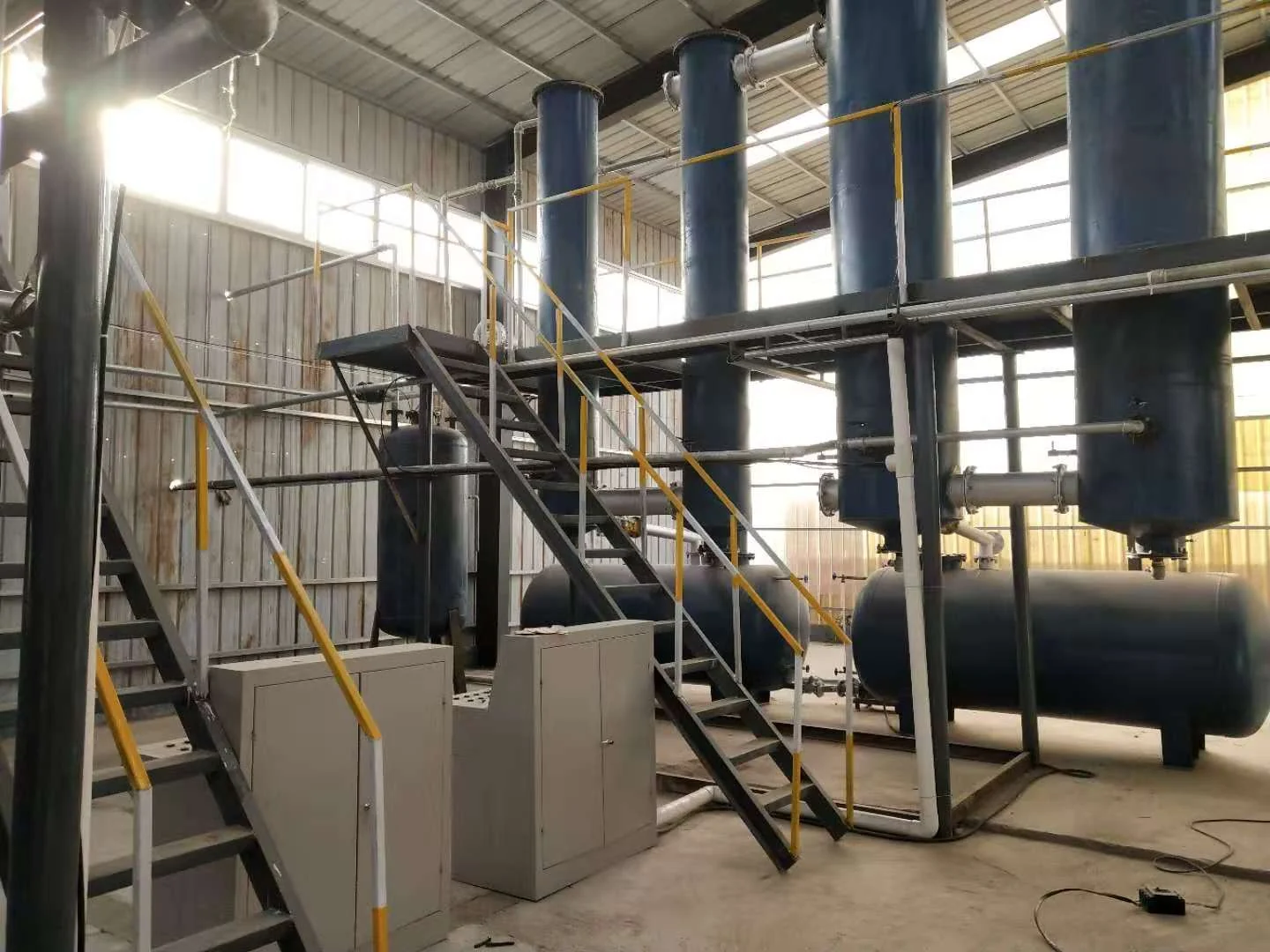
تفصيل العملية من مشروع بويانغ: منطقة المفاعل والتكثيف أثناء التركيب. تم التقاط الصورة أثناء التركيب والتشغيل في 2018.
مواصفات المشروع
| العنصر | مواصفة المشروع |
|---|---|
| الموقع | بويانغ، مقاطعة خنان، الصين |
| سنة المشروع | 2018 |
| الحالة | مشروع أرشيفي تاريخي؛ تم تسليمه وتشغيله في 2018؛ لم يتم التحقق من حالة التشغيل الحالية بشكل مستقل |
| المواد الخام | الإطارات التالفة (كاملة أو مقطعة، محملة على دفعات) |
| النظام | تحلل حراري أفقي دوار على دفعات (سلسلة XY-8-P/PB)، تسخين غير مباشر، ضغط منخفض ميكروي |
| عدد الوحدات | 4 |
| القدرة لكل وحدة | 12 طن يومياً (القدرة التصميمية) |
| القدرة التصميمية المجمعة | 48 طن يوميًا (السعة التصميمية) |
| نموذج الإنتاج | دورة متعددة الخطوط على دفعات ومتدرجة (≈22-24 ساعة لكل دورة وفقًا للمرجع التصميمي) |
| تيارات الاسترداد الرئيسية | زيت التحلل الحراري (زيت الوقود)، المواد الكربونية المسترجعة، الأسلاك الفولاذية؛ يمكن إعادة الغاز غير المكثف إلى نظام التسخين حيث تسمح التصميمات والظروف التشغيلية المثبتة بذلك |
| المورد | شانغتشيو Jinpeng Industrial Co., Ltd. (PYROJIN) |
ما يوضحه المشروع
يوضح هذا المشروع أن تكوين دفعات Jinpeng يمكن تكراره داخل مدينة واحدة - يمكن دعم مشغل ثانٍ في حوض ناضج. بالنسبة للمشتري الذي تستضيف مدينته بالفعل مشغل تحلل حراري، فإن القيمة ملموسة: مصنع ثانٍ بحجم يسمح بمشاركة السوق بدلاً من احتكاره - أربع وحدات، مرافق مشتركة، تناوب متدرج، ووسادة تخزين كحل لمنافسة المواد الخام. يجب على المقيمين مراقبة ثلاثة أشياء: مصادر الاستيعاب عبر أنواع الإطارات والموردين؛ استلام المنتج المشترك بسعر مناسب؛ وسلسلة معالجة بحجم مناسب للحمولة التصميمية الكاملة المشتركة. لا يثبت المشروع النتائج التشغيلية الحالية - فلا توجد مراجعة حديثة - ولكنه يوثق حلاً تكوينياً لسوق تنافسية.
About Jinpeng
Shangqiu Jinpeng Industrial Co., Ltd. تصمم وتصنع مصانع التحلل الحراري الدفعاتي، شبه المستمرة، وأنظمة تقطير النفط، والمعدات الداعمة لإطارات النفايات، والبلاستيك النفايات، وحمأة الزيت، والمواد المشتقة من المطاط، وغيرها من المواد الخام الغنية بالكربون المناسبة. يتم تطوير تكوين المشروع حول خصائص المواد، وأهداف الإنتاج، وظروف الموقع، والمتطلبات المحلية القابلة للتطبيق. لمناقشة المشروع، زوروا< www.pyrolysis-machine.com.
تنويهaالتن
جميع القدرات المذكورة في هذا المقال هي قدرات تصميمية، وليست مخرجات مضمونة. يعتمد التدفق الفعلي على خصائص المواد الخام وظروف التشغيل. تختلف العوائد وخصائص المنتج حسب المواد الخام ومعلمات العملية ويجب تحديدها من خلال الاختبارات لكل مادة محددة. تعتمد كفاءة الطاقة والانبعاثات على الأنظمة المساعدة المثبتة وعلى الممارسة التشغيلية الفعلية. يجب أن يتوافق التصميم النهائي للمشروع مع اللوائح والمتطلبات السارية في موقع المشروع.
ملاحظة أرشيفية: هذا الاستعراض يعتمد على سجلات مشروع جينبنج وصور فوتوغرافية من فترة التسليم والتشغيل الأصلية. يصف التكوين الموثق للمشروع ولا يشكل تحققًا من حالة التشغيل الحالية للمصنع.