Project Details
- Project Location
- Ankang, Shaanxi Province, China - Han River basin within the Qinba (Qinling-Daba) mountain region
- Configuration
- Six XY-8-P/PB batch-type horizontal rotary pyrolysis units
- Combined Design Capacity
- 72 TPD (six units × 12 TPD design capacity per unit)
- Feedstock
- Waste tires (whole or cut, loaded in batches)
- Project Year
- 2018
- Original Project Status
- Delivered and commissioned in 2018
- Current Operating Status
- Not independently verified
- Supplier
- Shangqiu Jinpeng Industrial Co., Ltd. (PYROJIN)
The Constraint That Shapes the Design
For a plant in the Qinba mountain region, the hardest part of the process is rarely inside the reactor. Ankang sits on the floor of a Han River basin ringed by the Qinling and Daba ranges, and the tires that feed a six-unit pyrolysis site arrive the same way everything else does: over winding mountain roads with load limits, weather windows, and no promise of a steady daily flow. The interesting design problem in this 2018 project is therefore not how fast six reactors can run, but how a plant with a combined design capacity of 72 TPD keeps working when its supply line is a mountain road. The answer sits in three places - a receiving arrangement matched to the road, buffer storage that decouples arrival from processing, and a staggered six-reactor schedule that treats irregular intake as the normal case rather than the exception.
Project Background & Configuration Logic
The six-unit configuration was sized as a catchment-scale processing point for a mountain-basin area, not as a continuous factory. Tire collection is dispersed across valley towns, and consignments move in batches when road conditions and truck availability allow. A batch plant fits this pattern structurally: each reactor is an independent processing unit that can be loaded when material is available and held when it is not, whereas a continuous line depends on an unbroken feedstock stream. The six 12 TPD units form a combined design capacity of 72 TPD on paper, but in practice the plant's production plan is a schedule - which reactors are loading, preheating, pyrolyzing, cooling, or discharging at any given time - built around how material actually arrives and leaves.
Core Technology & Production Analysis
Intake: Matching the Plant to the Road
Deliveries under constrained road access arrive in concentrated windows rather than as a steady trickle. The receiving arrangement was designed around that pattern: clear a truck quickly - weigh, place, release - before the next one, and accept tires whole or cut so intake does not depend on fine preparation equipment that would add another failure point at a remote site. The practical effect is that the plant can absorb a heavy delivery day and a quiet week without changing its fundamental operating logic.
Buffer Storage: Decoupling Arrival from Processing
Between the road and the reactors, storage is the real buffer. The storage arrangement was designed to hold a working stock of tires large enough to keep the reactor schedule alive through gaps between deliveries, and to protect the feedstock from rain and ground moisture. Dry feedstock matters in batch pyrolysis: moisture must be driven off during the preheat phase, and wet feed shifts both heating demand and vapor-handling balance. Covered, drained storage also serves the outputs - pyrolysis oil held in tanks and recovered carbonaceous material stored before dispatch - so outbound shipments can be consolidated into full loads, because every truck trip over mountain roads carries a real cost.
Staggered Scheduling Across Six Reactors
With six reactors on a roughly 22-24 hour batch cycle, scheduling is the production plan. The design intent is to stagger the phases - loading (about 2 hours), preheating (about 4 hours), pyrolysis (about 10 hours), cooling (4-6 hours), and discharge (about 2 hours) - so that at any moment only a fraction of the reactors sit in their most energy- and labor-intensive phases. Staggering levels heating load, spreads cooling-water demand, and keeps the site's small crew within a manageable workload. It also builds slack into the plan: if a delivery is late, a loaded reactor can wait. The batch design absorbs irregular supply instead of being destabilized by it.
The Batch Cycle as an Independent Scheduling Unit
Each reactor runs on its own clock rather than as one stage of a conveyor. The XY-8-P/PB system is a horizontal rotary reactor: material is loaded in, the vessel is sealed, and it rotates slowly (0.4 r/min) under inert, anaerobic, micro-negative-pressure conditions with indirect heating, so the feedstock does not contact the flame. When a batch finishes, the reactor is cooled, discharged, and reloaded for the next cycle. This independence is what turns six reactors into a flexible schedule: one line can be held in standby, two pushed through a favorable weather window, and maintenance rotated without shutting the site.
Energy and Emission Treatment Logic
Energy self-supply matters more where fuel deliveries also travel mountain roads. In the standard Jinpeng design logic, non-condensable gas from the process may be returned to the heating system where the installed design and operating conditions permit, reducing dependence on externally delivered fuel. On the flue-gas side, the heating stream passes through the installed treatment system - a spray tower for alkali neutralization followed by an adsorption tower for desulfurization and dedusting - designed to meet local emission requirements under proper operating conditions. These are design provisions: actual energy and emissions performance depends on the auxiliary systems fitted and on how the plant is operated, and compliance is always subject to local requirements.
Outbound: Consolidating Product for the Return Trip
The same roads that bring tires in must carry products out, which favors consolidation. Pyrolysis oil is recovered as a fuel-oil stream and held in storage until it can be dispatched in economic volumes; it is not a finished diesel - reaching diesel-grade product would require further distillation and refining. The solid stream is recovered carbonaceous material, treated as an industrial solid output rather than commercial-grade carbon black, which would require deep processing and testing to claim. Steel wire separated during processing is stockpiled for collection. Outbound logistics, like intake, work best in batches - the very pattern a batch plant produces.

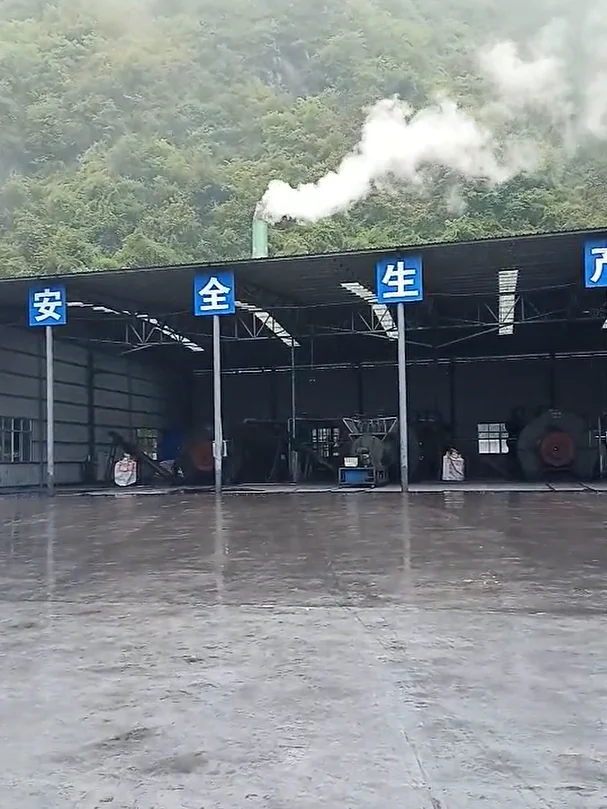
Overall view of the six-unit batch pyrolysis site in Ankang, Shaanxi, showing the reactor lines and the surrounding storage layout. Photo taken during installation and commissioning in 2018.

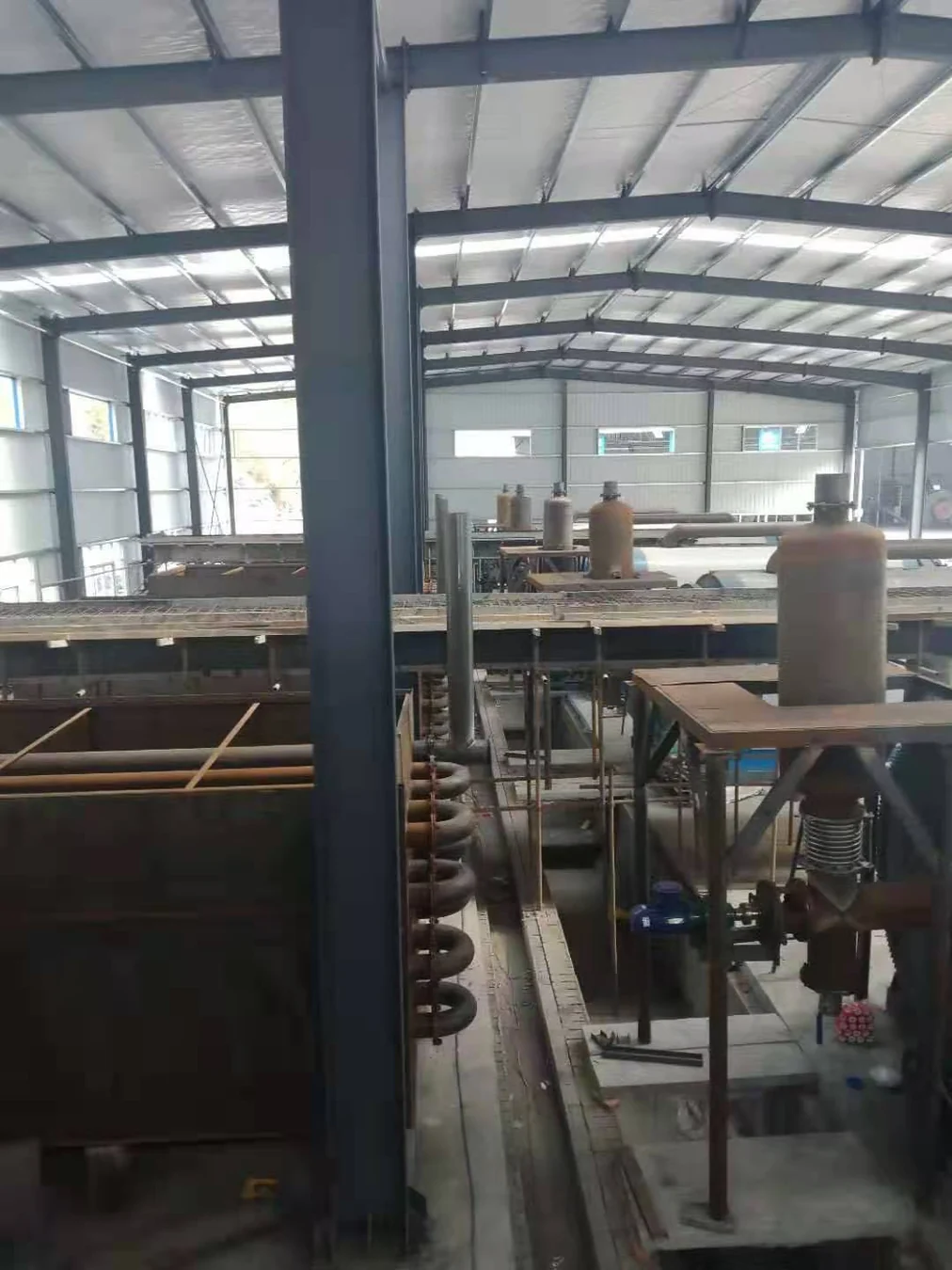
Tire receiving and storage area at the Ankang site, illustrating how buffered intake connects road deliveries to the reactor schedule. Photo taken during installation and commissioning in 2018.
Project Specifications
| Item | Project specification |
|---|---|
| Location | Ankang, Shaanxi Province, China (Qinba mountain region) |
| Project year | 2018 |
| Status | Archive project - delivered and commissioned in 2018; current operating status not independently verified |
| Feedstock | Waste tires (whole or cut) |
| System | Batch-type horizontal rotary pyrolysis (XY-8-P/PB) |
| Number of units | 6 |
| Capacity per unit | 12 TPD (design capacity) |
| Combined design capacity | 72 TPD |
| Production model | Batch cycle with staggered multi-line scheduling |
| Main recovered streams | Pyrolysis oil (fuel oil), recovered carbonaceous material, steel wire; non-condensable gas returned to heating where the installed design and operating conditions permit |
| Supplier | Shangqiu Jinpeng Industrial Co., Ltd. (PYROJIN) |
What the Project Demonstrates
This project demonstrates how a multi-unit batch configuration can be engineered around the logistics that actually constrain a site: buffered intake, covered storage, and staggered scheduling that keep a six-reactor plant workable when road access is irregular. For clients in mountainous or remote catchments, the reference value lies in matching plant scale to realistic intake patterns rather than to nameplate arithmetic, and in treating the reactor schedule - not the equipment list - as the production plan. Evaluators should watch three things: whether storage capacity is sized to real delivery gaps, whether the schedule can absorb supply interruptions without abandoning batches, and whether outbound products can be consolidated into economic loads. A batch plant does not remove the mountain road; it is configured to live with it.
About Jinpeng
Shangqiu Jinpeng Industrial Co., Ltd. designs and manufactures batch, semi-continuous, and continuous pyrolysis plants, oil distillation systems, and supporting equipment for waste tires, waste plastics, oil sludge, rubber-derived materials, and other suitable carbon-rich feedstocks. Project configuration is developed around material characteristics, production objectives, site conditions, and applicable local requirements. For project discussions, visit www.pyrolysis-machine.com.
Disclaimer
All capacities in this article are design values. Actual throughput depends on feedstock characteristics and operating conditions. Product yields and properties are not guaranteed and should be confirmed by testing of the actual feedstock and process. Energy consumption and emissions performance depend on the auxiliary systems installed and on actual plant operation, and the final design must comply with applicable local regulations.
Archive Note: This retrospective is based on Jinpeng's project records and photographs from the original delivery and commissioning period. It describes the documented project configuration and does not constitute verification of the plant's current operating status.