
Детали проекта
| Поле | Детали |
|---|---|
| Местоположение проекта | Хух-Хот, Внутренняя Монголия, Китай - расположение рядом с городом, вблизи региональной столицы |
| Конфигурация | 2 × пиролизные установки горизонтального вращающегося типа для партийных процессов (класс XY-8-P/PB, реактор Φ2800×8800) |
| Совокупная проектная мощность | 24 TPD (2 × 12 TPD) |
| Сырье | Отходы шин (целые или нарезанные, загружаются партиями) |
| Год проекта | 2019 |
| Исходное состояние проекта | Поставлены и введены в эксплуатацию в 2019 |
| Текущее состояние эксплуатации | Не проверено независимо |
| Поставщик | ШанцюJinpeng Industrial Co., Ltd. (PYROJIN) |
Объект в столичном регионе меняет вопросы проектирования
Мало какие решения по размещению имеют такое же значение, как близость к столице. Хух-Хото, административный центр Внутренней Монголии, - это город, где ценится земля, внимательно следят за происходящим, а предприятие по переработке шин находится на виду как у общественности, так и у контролирующих органов. Этот 2019 архивный проект - два реактора периодического действия с общей расчетной производительностью 24 тонн в день - является примером того, как завод по пиролизу небольшого масштаба адаптируется к таким условиям. Интересный вопрос состоит не в том, могут ли два реактора перерабатывать шины, а в том, как были спроектированы системы очистки выбросов, занимаемая площадь и повседневная эксплуатация, чтобы выдерживать контроль вблизи города.
Предыстория проекта и логика конфигурации
Для площадки на окраине региональной столицы центральной задачей проектирования является не доступность сырья, а условия, на которых может существовать перерабатывающее предприятие. Конфигурация была спроектирована именно для того, чтобы отвечать этим условиям. Периодическая работа концентрирует переработку в определенные циклы, а не непрерывную подачу, ограничивая моменты активной загрузки, нагрева или разгрузки завода. Два реактора обеспечивают достаточно пропускной способности для совместного использования систем коммунальных услуг и очистки, при этом каждая линия остается достаточно небольшой для участка рядом с городом.
Масштаб был сформирован вокруг логики двух единиц: один реактор был бы слишком мал для окупаемости совместного оборудования для обработки, в то время как контекст столичной области предполагает сдержанность в занимаемой площади. При 12 тонн в сутки на единицу каждый реактор соответствует циклу партии примерно 24 часов, и две линии могут быть запланированы в чередующемся режиме, чтобы нагрев, охлаждение и выгрузка были распределены, а не сосредоточены. Цель проектирования - сдерживание: сдержанный процесс, сдержанный поток материалов и линия обработки выбросов, рассчитанная на место, где на нее будут обращать внимание.
Основная технология и анализ производства
Внимание к обработке выбросов в контексте столичной области
Определяющая особенность установки, расположенной рядом с городом, заключается в том, что большое внимание уделяется тому, что покидает объект. Система спроектирована так, чтобы функционировать как герметичный процессный контур под микронегативным давлением, поэтому пары и газы пиролиза удерживаются в процессе, а не выбрасываются в окружающую среду. Поток паров сначала проходит через конденсацию, где большая часть превращается в жидкое пиролизное масло; оставшийся неконденсируемый газ может быть возвращен в систему нагрева там, где это допускают проектные и эксплуатационные условия, что позволяет восстанавливать энергию и уменьшать объем газа, который необходимо утилизировать. Дымовые газы с нагревательной стороны проходят через очистную цепочку - распылительную башню с щелочной нейтрализацией, за которой следует адсорбционная башня для десульфурации и обезпыления - предназначенную, после установленной системы очистки и при правильных условиях эксплуатации, для соответствия применимым местным требованиям по выбросам.
Компактная площадь, когда земля на вес золота
Два реактора, использующие одно основное вспомогательное оборудование, позволяют сохранить компактность участка. Охлаждающая вода, очистка дымовых газов и сбор продукта общие, что делает объект ближе к одной установке, чем к двум независимым; одна линия XY-8 занимает площадь установки порядка 35 м × 20 м, а общие коммунальные службы удерживают двухлинейный объект в аналогичных границах. Нет непрерывного бункера подачи или галереи конвейера: материал поступает в определенные окна загрузки. Для участка в столичном регионе эта разница в потребности в земле может быть решающей.
Прием сырья и управление территорией рядом с населённой зоной
Отходы шин поступают целыми или нарезанными и загружаются партиями. Рядом с населенным пунктом управление территорией столь же заметно, как и процесс: крытое хранение предотвращает распространение мусора и пыли за границы участка, ротация складских запасов планируется в соответствии с потребностью в 24 т/сут совмещенной проектной мощности, а распределенная загрузка равномерно распределяет прибытие грузовиков в течение дня. Это обычная логистика, имеющая значимость из-за местоположения: участок, смежный с границей, допускает гораздо меньше допустимых отклонений в ведении хозяйства.
Поэтапное планирование вокруг цикловой партии
Каждый реактор работает по циклу пакетной обработки примерно 22-24 часов: загрузка около двух часов, предварительный разогрев около четырех, пиролиз около десяти, охлаждение от четырех до шести часов и разгрузка около двух. При разнесенных по времени графиках один реактор обычно находится в стадии удержания пиролиза, в то время как другой охлаждается или разгружается, что выравнивает потребление тепла, распределяет физическую работу и позволяет небольшой бригаде - оборудование рассчитано на эксплуатацию одним или двумя операторами на завод - поддерживать работу обеих линий без пикового увеличения штата. Это разница между двумя реакторами и работающим по двухлинейному графику производством.
Конденсация, обработка газа и границы продуктов
Основными извлекаемыми потоками являются пиролизное масло, извлечённый углеродистый материал и стальная проволока. Конденсированное масло направляется на хранение как топливо; твёрдый остаток разгружается как извлечённый углеродистый материал; стальная проволока отделяется во время разгрузки. Границы продуктов имеют такое же значение, как и выход продукции. Масло является топливным, а не дизельным - для получения дизельного продукта потребуется дальнейшая дистилляция, гидрообработка и сертификационные испытания. Углеродистое твердое вещество - это извлечённый углеродистый материал, а не коммерческий угольный чёрный пигмент, если только оно не подверглось глубокой переработке и испытаниям для этого использования. Указание этих границ сохраняет честность результатов проекта - что само по себе является вопросом публичной прозрачности на объекте, подверженном внимательному контролю.
Операции и объем поставки, ориентированные на общественность
Растение возле столицы также оценивается по тому, как оно выглядит и ведет себя. Горизонтальные роторные реакторы вращаются медленно - около 0.4 оборотов в минуту - и процесс проходит в замкнутом пространстве, удерживая шум и видимую активность в пределах определенных окон. Руководство по установке и обучение операторов входили в объем поставки, поэтому небольшая команда могла управлять рассредоточенным графиком и системами обработки согласно проекту. Это факты из объема поставки, а не наблюдения на месте; недавних записей о посещении объекта не существует.
Фото 1
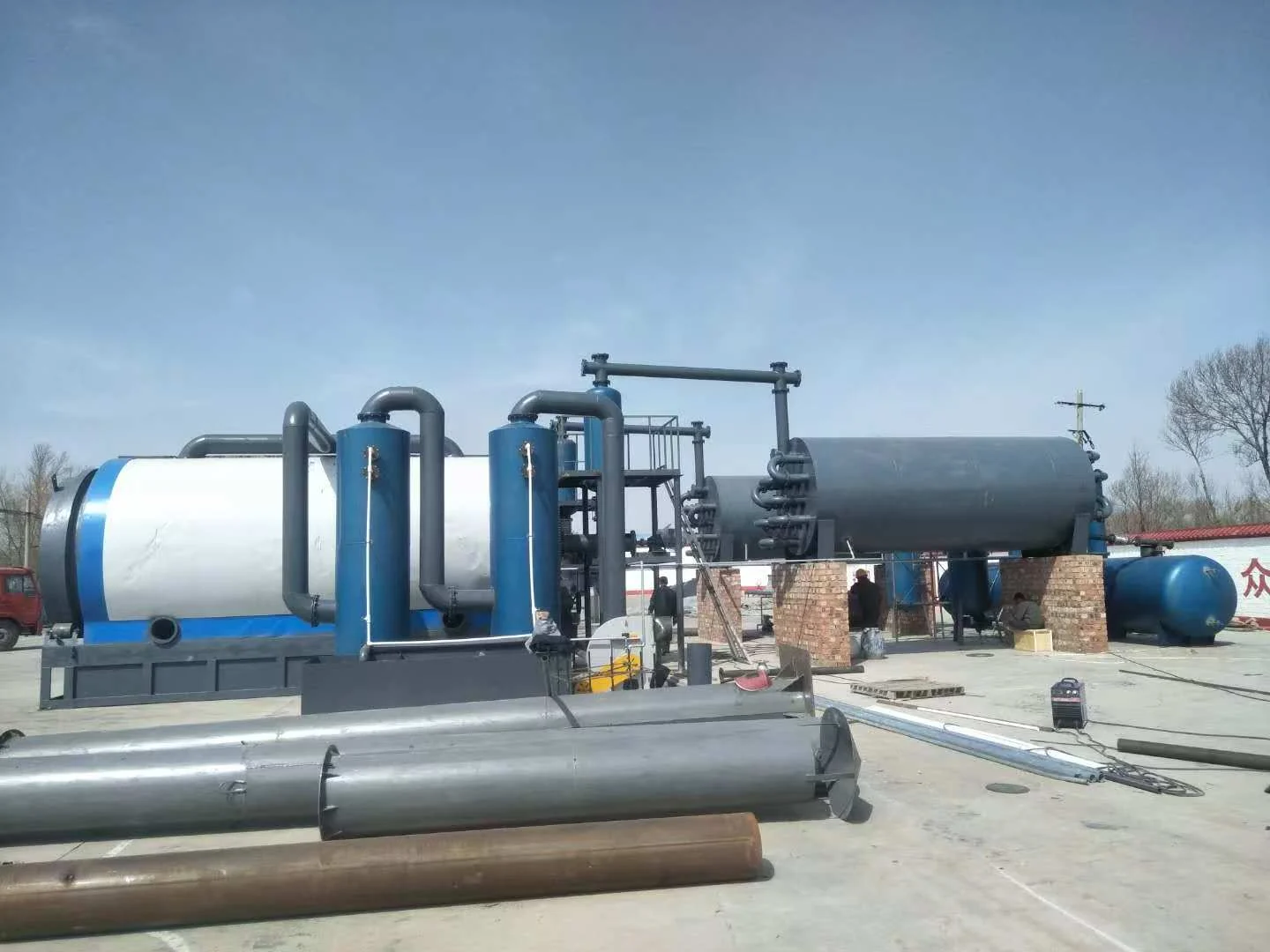
Общий вид участка пиролиза из двух установок в Хух-Хото, Внутренняя Монголия, показывающий парные линии реакторов и общие системы обработки на компактном участке рядом с городом. Фото сделано во время установки и ввода в эксплуатацию в 2019.
Фото 2
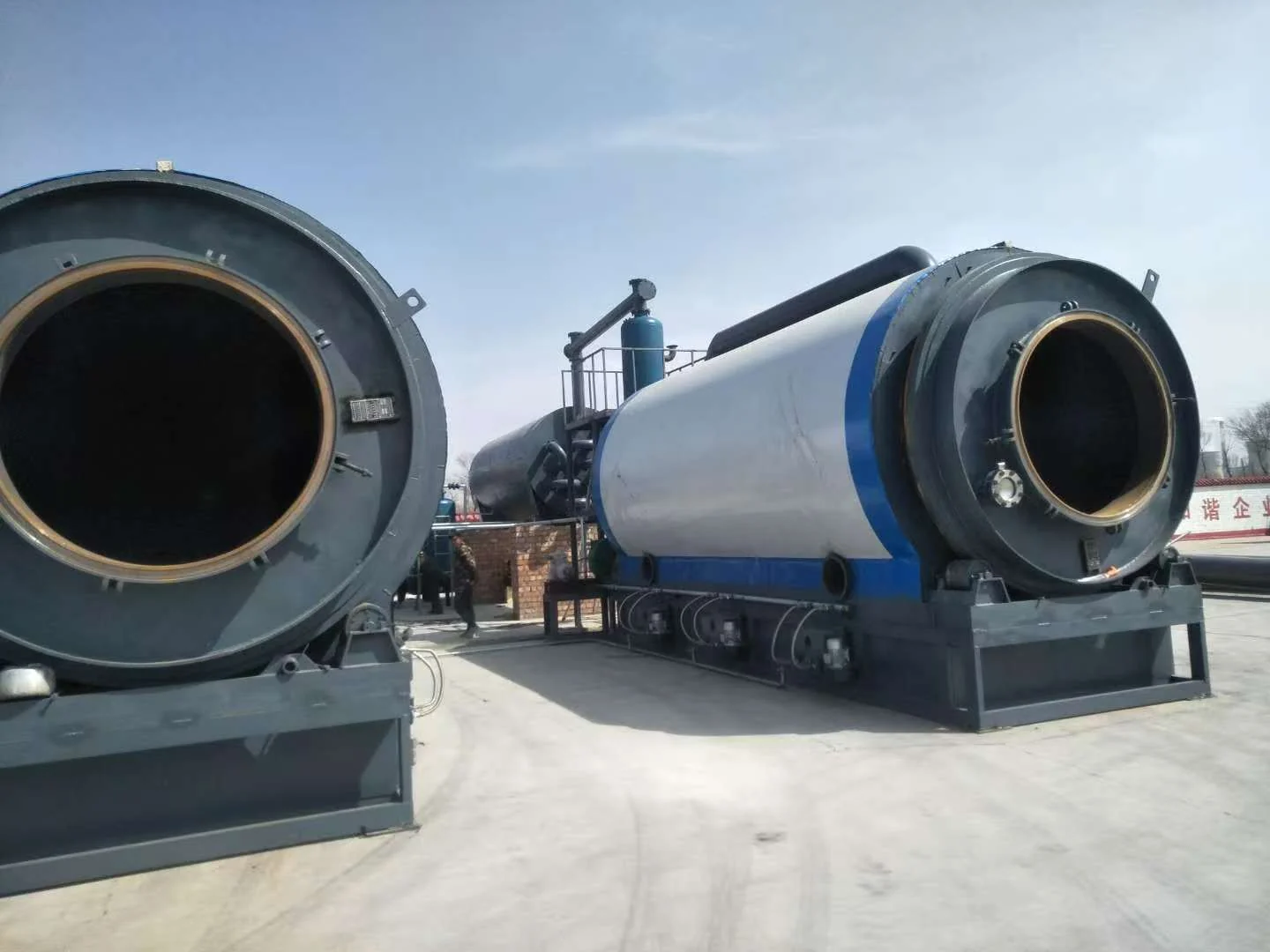
Детали процесса проекта Хух-Хото, показывающие загрузку партии и расположение реактора одной 12-TPD линии. Фото сделано во время установки и ввода в эксплуатацию в 2019.
Технические характеристики проекта
| Элемент | Техническая спецификация проекта |
|---|---|
| Местоположение | Хух-Хото, Внутренняя Монголия, Китай |
| Год проекта | 2019 |
| Статус | Проект исторического архива; сдан и введен в эксплуатацию в 2019; текущее состояние эксплуатации не проверялось независимо |
| Сырье | Отработанные шины (целые или нарезанные) |
| Система | Пакетная горизонтальная ротационная пиролизная установка (класс XY-8-P/PB), косвенный нагрев, микроотрицательное давление |
| Количество единиц | 2 |
| Мощность на единицу | 12 т/сут (проектная мощность) |
| Суммарная проектная мощность | 24 TPD |
| Модель производства | Смещенные пакетные циклы на двух реакторах |
| Основные извлекаемые потоки | Пиролизное масло (топочный мазут), извлеченные углеродистые материалы, стальная проволока; неконденсируемый газ может быть возвращен в систему нагрева при условии, что установленные проектные и эксплуатационные параметры это позволяют |
| Поставщик | ШанцюJinpeng Industrial Co., Ltd. (PYROJIN) |
Что демонстрирует проект
Этот проект демонстрирует, что пакетная пиролизная установка может быть сконфигурирована для участка в столичном регионе, близко к городской территории - не с помощью экзотического оборудования, а путем правильного балансирования обычных проектных решений: система очистки выбросов рассчитана с учетом строгого контроля, площадь размещения удерживается компактной благодаря общим коммунальным сетям и пакетной обработке материала, а смещенный график позволяет ограничить ежедневную активность. Для клиентов, оценивающих участки рядом с городами или чувствительными границами, ориентиром является логика конфигурации: что предназначена достигать система выбросов, сколько земли действительно требуется под установку и как операция представлена соседям. Оценщикам следует учитывать эти три аспекта - а заявленную мощность рассматривать как проектное значение, так как фактическая производительность зависит от сырья и условий эксплуатации.
О Jinpeng
Shangqiu Jinpeng Industrial Co., Ltd. разрабатывает и производит периодические, полунепрерывные и непрерывные пиролизные установки, системы дистилляции масла и вспомогательное оборудование для утилизации шин, пластиковых отходов, нефтяных шламов, материалов на основе резины и других подходящих углеродосодержащих сырьевых материалов. Конфигурация проекта разрабатывается с учетом характеристик материалов, производственных целей, условий объекта и применимых местных требований. Для обсуждения проектов посетите www.pyrolysis-machine.com.
Отказ от ответственности
Все указанные в этой статье мощности являются проектными значениями, а не гарантированными показателями. Фактическая производительность зависит от типа и состояния сырья, условий эксплуатации и характеристик площадки. Выход продукции и её свойства варьируются в зависимости от сырья и требуют тестирования для конкретного использования. Энергопотребление и экологические показатели зависят от установленных вспомогательных систем и фактических условий эксплуатации; установленные системы обработки спроектированы с учетом соблюдения местных требований при правильной эксплуатации. Любой окончательный проект должен соответствовать нормативным требованиям в месте реализации проекта.
Примечание архива: Этот ретроспективный обзор основан на проектных записях Jinpeng и фотографиях из периода первоначальной поставки и ввода в эксплуатацию. Он описывает задокументированную конфигурацию проекта и не является подтверждением текущего состояния работы завода.