
وحدتان للتقطير الحراري الدفعي بقدرة 12 طن يوميًا، تم تسليمهما وتشغيلهما في 2020 في موقع ناءٍ في مرعى منغوليا الداخلية، مصممة على أساس إعادة الغاز غير المتكاثف إلى نظام التسخين وإدارة حركة المواد الخام والمنتجات عبر سلسلة إمداد طويلة وباردة.
تفاصيل المشروع
- موقع المشروع
- رابطة شيلينغول (锡林郭勒)، منغوليا الداخلية، الصين - منطقة مراعي ذات مراكز سكانية متفرقة ومسافات طرق طويلة.
- التكوين
- وحدتان للغرف الدورانية الأفقية من نوع الدفعات للانحلال الحراري (سلسلة XY-8-P/PB).
- السعة التصميمية الإجمالية
- 24 المجموع المقدر للإنتاج اليومي (2 × 12 المجموع المقدر للإنتاج اليومي، القدرة التصميمية).
- المواد الخام
- الإطارات التالفة، كاملة أو مقطعة، محمّلة على دفعات.
- سنة المشروع
- 2020.
- الحالة الأصلية للمشروع
- تم تسليمهما وتشغيلهما في 2020. تحتوي الأرشيف على صورتين من فترة التركيب والتشغيل؛ لم يتم أرشفة أي مستندات تشغيلية أو تشغيل أولي.
- الحالة التشغيلية الحالية
- لم يتم التحقق منها بشكل مستقل.
- المورد
- شانغتشيو Jinpeng Industrial Co., Ltd. (العلامة التجارية PYROJIN).
الافتتاح
على مرعى شيلينغول، المسافة هي العامل الأساسي لأي عملية صناعية. المدن متباعدة على المراعي المفتوحة، والبرد يصل مبكرًا ويستمر حتى وقت متأخر، وكل طن من الوقود أو المواد الخام أو المنتج يقطع تلك المسافة مرتين - ذهابًا وإيابًا. تقف أي منشأة في مثل هذا المكان أو تنهار على سؤالين: كمية الطاقة التي يمكن أن توفرها لنفسها، وكيف يتناسب إيقاع تشغيلها مع اللوجستيات البعيدة. يجيب مشروع 2020 - آخر إدخال في أرشيف مشروع جينبنج - على كلا السؤالين من خلال تكوين متواضع عمدًا: مفاعلان دفعيان بقدرة 12 طن يوميًا على المراعي.
خلفية المشروع ومنطق التكوين
تم تصميم التكوين لموقع بعيد بدلًا من حوض صناعي. شينلونغول ليست منطقة تصنيع إطارات، لذا يجب جمع الإطارات المستهلكة من المدن المبعثرة، وأساطيل المركبات، ومزارع المواشي عبر الأراضي العشبية - وهو تدفق متفرق يمكن لوحدتين من الإنتاج الدفعي بسعة تصميمية قدرها 12 طن في اليوم لكل منهما استيعابه.
نموذج الإنتاج الدفعي يناسب هذا البيئة بقدر ما يناسب الحجم. كل مفاعل يتبع دورة من التحميل، والتسخين، والتحلل الحراري، والتبريد، والتفريغ، مما يخلق نوافذ طبيعية بين الدفعات يمكن أن تتماشى مع وصول شاحنات المواد الخام ومغادرة شحنات المنتجات - وهو تخطيط مهم عندما يعني فقدان نافذة التسليم الانتظار لأيام بدلاً من ساعات. منطق التصميم ليس "معالجة أكبر قدر ممكن بأسرع وقت ممكن" بل "الحفاظ على تغذية العملية وتسخينها وتحريكها عبر مسافات طويلة دون انقطاع."
التقنية الأساسية وتحليل الإنتاج
تسخين المصنع باستخدام غاز العملية الخاص به
في التحلل الحراري للإطارات على دفعات، يتحلل المادة الخام في مفاعل أفقي دوار تحت جو خامل وبضغط منخفض دقيق، دون أي تماس مباشر مع اللهب. تمر الكمية المتطايرة عبر التكثيف: الجزء القابل للتكثيف يصبح زيت التحلل الحراري، والغاز الأخف الغير قابل للتكثيف يبقى. في موقع يكون فيه الوقود الموصل تكلفة لوجستية بدلاً من كونه وصلة خدمة، فإن هذا الغاز يُعتبر أساسياً لمنطق الإمداد الذاتي للطاقة: قد يُعاد إلى نظام التدفئة حيث تسمح التصميمات وظروف التشغيل المثبتة بذلك، بحيث يُساهم إنتاج المصنع الخاص في مهام التدفئة بدلاً من كل ميغاجول يصل بواسطة الشاحنة. يعتمد تأثيره في التشغيل على الترتيب المثبت والمادة الخام وظروف التشغيل - وهو نية تصميم، وليست مطالبة بالأداء المقاس.
جدول دفعة في مناخ بارد
شتاء شيلينغول طويل، والبرد يصل إلى موقع التحلل الحراري في أماكن محددة: تعتمد كفاءة التكثيف على قدرة التبريد، ومن الصعب التعامل مع المواد الصلبة الساخنة عند درجات الحرارة المنخفضة، ويحتاج تخزين الماء والمنتج إلى تصميم يأخذ في الاعتبار التجمّد. دورة الدفعة - تقريبًا 22 إلى 24 ساعات من التحميل إلى التفريغ - لها نتيجة عملية: يمكن ترتيب جدول كل مفاعل بحيث تقع الأعمال الشاقة في أوقات مناسبة، ويمكن تشغيل الوحدتين بشكل متزامن متمايز، بحيث لا يتزامن تحميل أو تفريغ مفاعل مع الآخر. العمل، التبريد، واللوجستيات تتطلب تواجد مستمر.
الاستيعاب عبر حوض تجميع متناثر
يتم تحميل الإطارات كاملة أو المقطعة على دفعات في المفاعل؛ هذا النوع من المحطات لا يحتاج إلى تمزيق الإطارات إلى فتات. هذه البساطة مهمة في موقع بعيد: لا يوجد خطوة تحضير تتطلب طاقة، أو آلات، أو صيانة خاصة بها. تصبح مشكلة التخطيط حجم ووقت الاستيعاب بدلاً من التحضير: مع تباعد مراكز السكان، تتراكم أحجام الإطارات ببطء في كل مدينة، والطرق الموسمية تحدد متى يمكن نقلها. وقد تم تحديد حجم الوحدتين بحيث عدد عملي من رحلات الجمع، وليس تدفق صناعي للشاحنات الواصلة، يكفي لإبقاء المحطة مغذية، مع وجود تخزين للمواد الخام والمنتجات لامتصاص الفجوة بين العرض في منطقة التجميع وطلب المفاعل.
التوصيل بعيد المدى: المعدات داخلة، المنتجات خارجة
توصيل خطي مفاعل كاملين إلى موقع في مرج عشبي هو في حد ذاته تمرين لوجستي: تنتقل المعدات من شانغتشيو عبر عدة محافظات، والمرحلة النهائية على طرق تخدم منطقة قليلة السكان. كان توجيه التركيب وتدريب المشغلين جزءًا من نطاق التوصيل. وعلى جانب الإنتاج، تنتقل التدفقات المستعادة - زيت التحليل الحراري، المادة الكربونية المستعادة، وسلك الفولاذ - بنفس الطريق. زيت التحليل الحراري هو تدفق من نوع زيت الوقود، وليس ديزل جاهز؛ سواء تم استهلاكه محليًا أو نقله إلى الأمام هو قرار اقتصادي للموقع. قيمة المادة الكربونية المستعادة تعتمد بالمثل على الاختبارات، وحيثما كان مطلوبًا، على مزيد من المعالجة.
الإدخال الأخير في الأرشيف
مشروع شيلينغول هو أحدث إدخال في سلسلة أرشيف جينبنغ لمحطات الإطارات ذات الدفعات من 2017 إلى 2020، وهو تعليمي بالضبط كأحدث لقطة. تُظهر الإدخالات الأولى مصانع ذات وحدتين تدخل مناطق جديدة؛ السنوات الوسطى تُظهر نفس التكوين يتوسع إلى ستة وعشرة مفاعلات في الأسواق الأكثر كثافة. يعود شيلينغول إلى شكل الوحدتين في الطرف البعيد من الطيف من ناحية العزلة - أصغر تكوين في أكثر المواقع عزلة. عند قراءته معًا، يُظهر الأرشيف نمطًا: التكوين يتبع منطقة التجميع والموقع، ويتم التعامل مع العزلة من خلال الحجم والجدول المنظم ومنطق الطاقة بدلاً من الآلات الأكبر.
صور المشروع
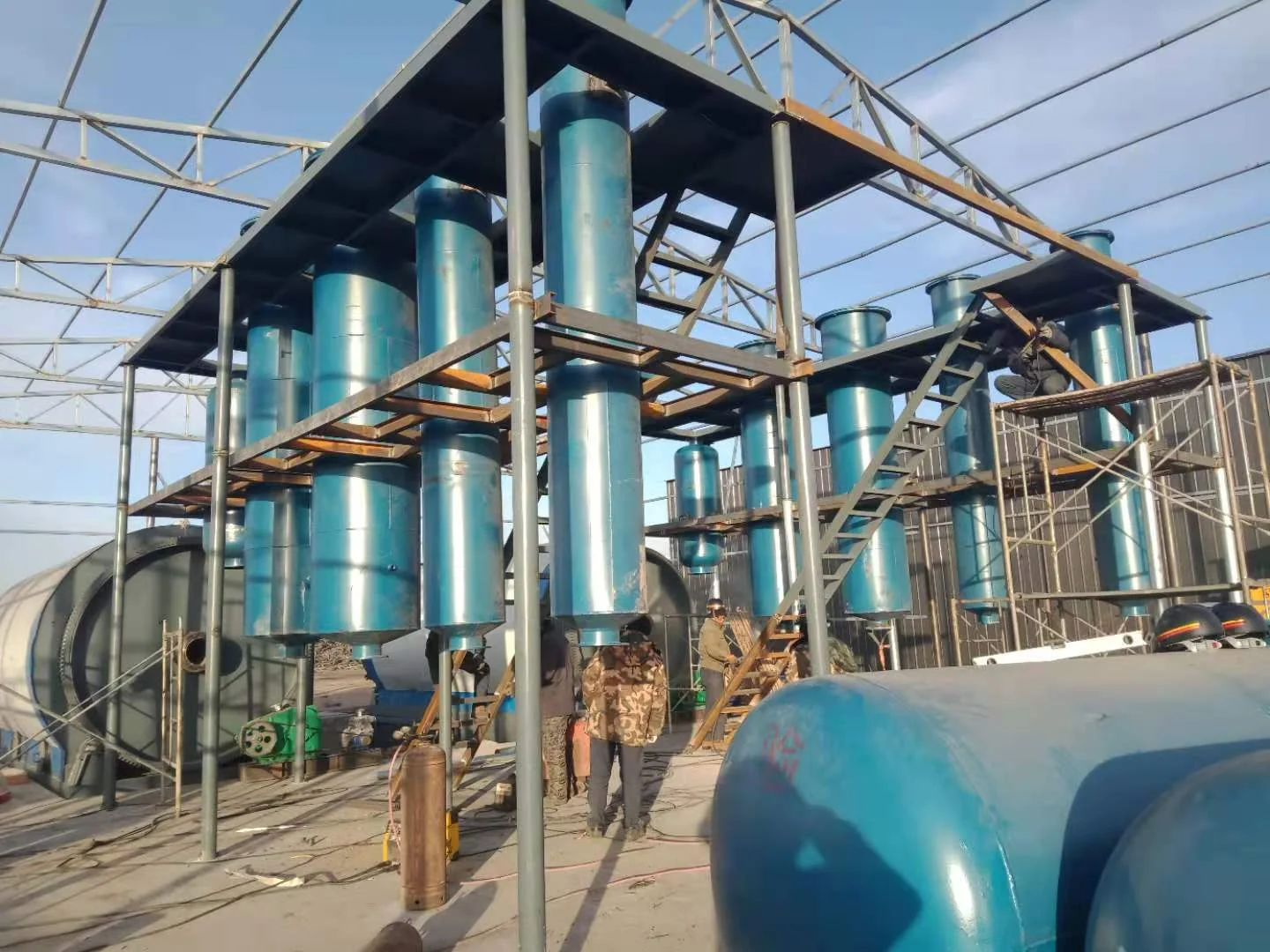
الرؤية العامة لموقع التحلل الحراري ذو الوحدتين في سهول شيلينغول، منغوليا الداخلية، وتُظهر خطوط المفاعلات والتخطيط المشترك. تم التقاط الصورة أثناء التركيب والتشغيل في 2020.
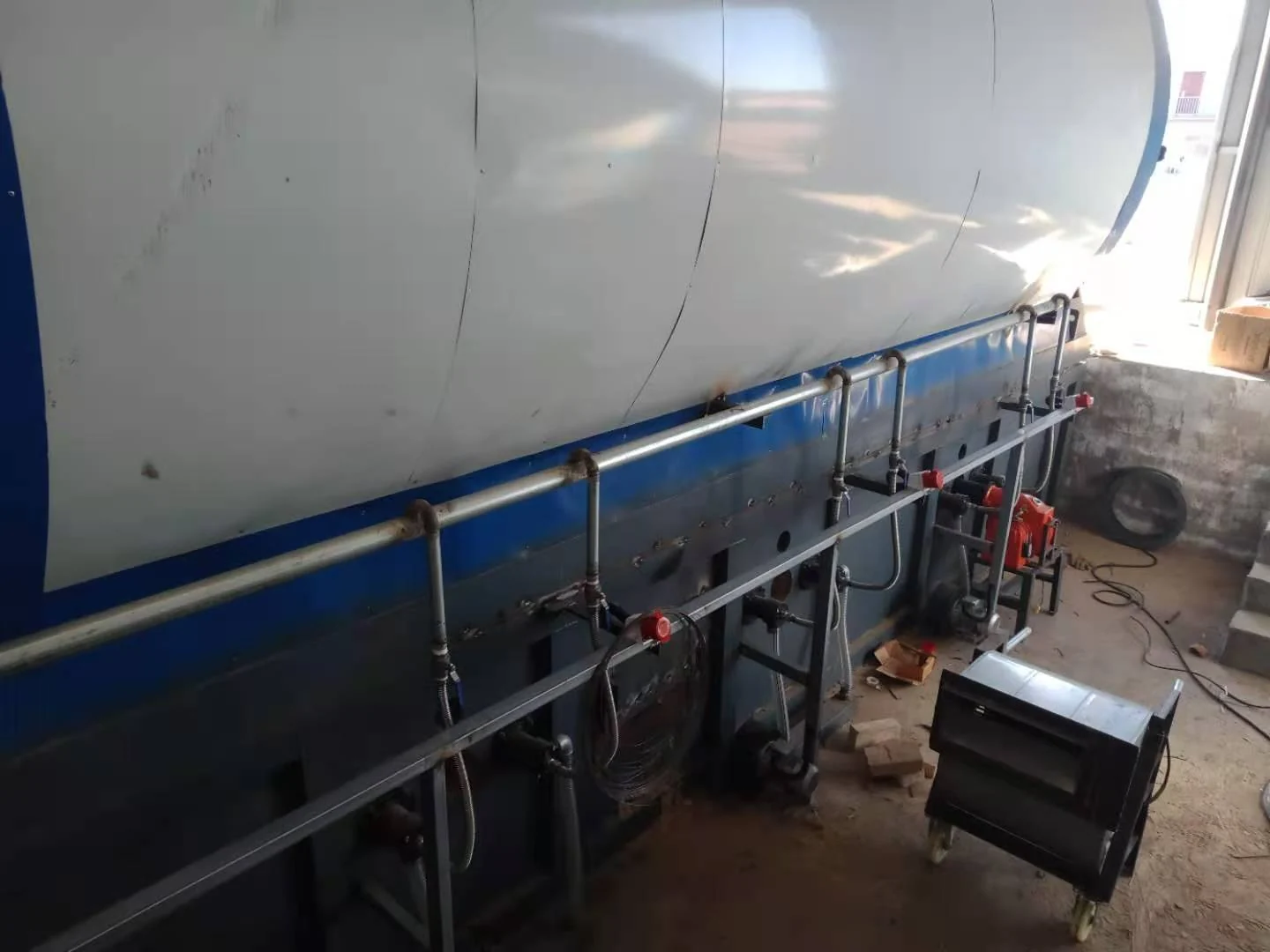
تفصيل لمفاعل المشروع وترتيب التسخين والتكثيف في مشروع شيلينغول، منغوليا الداخلية. تم التقاط الصورة أثناء التركيب والتشغيل في 2020.
مواصفات المشروع
| العنصر | مواصفة المشروع |
|---|---|
| الموقع | إقليم شيلينغول، منغوليا الداخلية، الصين |
| سنة المشروع | 2020 |
| الحالة | مشروع أرشيف تاريخي؛ تم التسليم والتشغيل في 2020 |
| المواد الخام | إطارات نفايات (كاملة أو مقطعة، محملة على دفعات) |
| النظام | محطة التحلل الحراري الدوراني الأفقية من نوع الدفعة (سلسلة XY-8-P/PB) |
| عدد الوحدات | 2 |
| القدرة لكل وحدة | 12 طن يومياً (القدرة التصميمية) |
| القدرة التصميمية المجمعة | 24 TPD (2 × 12 TPD) |
| نموذج الإنتاج | دفعة؛ دورة المفاعل النموذجية تقريباً 22-24 ساعات |
| تيارات الاسترداد الرئيسية | زيت التحلل الحراري (زيت الوقود)، المواد الكربونية المسترجعة، الأسلاك الفولاذية؛ يمكن إعادة الغاز غير المكثف إلى نظام التسخين حيث تسمح التصميمات والظروف التشغيلية المثبتة بذلك |
| المورد | شانغتشيو Jinpeng Industrial Co., Ltd. (PYROJIN) |
ما يوضحه المشروع
يوضح هذا المشروع أنه يمكن تصميم نظام التحلل الحراري للإطارات على دفعات وفقاً لمحددات موقع بعيد ذو مناخ بارد بدلاً من مراعاة التسهيلات في مجموعات صناعية. يناسب المقياس ذو وحدتين تجميع المواد الأولية المبعثرة؛ ويتيح جدول الدفعات فترة زمنية تتماشى مع لوجستيات المسافات الطويلة؛ ويجسد ترتيب إعادة الغاز منطق توفير الطاقة الذاتية الذي يقلل الاعتماد على الوقود المقدم، وذلك بناءً على التصميم والتركيب وظروف التشغيل. بالنسبة للعميل المحتمل في موقف مشابه - بعيد عن إمدادات الوقود، ومتفرقة المواد الأولية، طويلة الشتاء - فإن هذا المثال هو الحالة المرجعية: مقياس متواضع، جدولة مدروسة، وتصميم تسخين يسمح للعملية بالمساهمة في طاقتها الخاصة. ينبغي على المقيمين متابعة ترتيب إعادة الغاز، وتخطيط مدخلات وتخزين المنتجات حول التجمع والمواسم، والجدولة التي تمنع دورة وحدة واحدة من ترك الأخرى بلا عمل.
About Jinpeng
Shangqiu Jinpeng Industrial Co., Ltd. تصمم وتصنع مصانع التحلل الحراري الدفعاتي، شبه المستمرة، وأنظمة تقطير النفط، والمعدات الداعمة لإطارات النفايات، والبلاستيك النفايات، وحمأة الزيت، والمواد المشتقة من المطاط، وغيرها من المواد الخام الغنية بالكربون المناسبة. يتم تطوير تكوين المشروع حول خصائص المواد، وأهداف الإنتاج، وظروف الموقع، والمتطلبات المحلية القابلة للتطبيق. لمناقشة المشروع، زوروا< www.pyrolysis-machine.com.
تنويهaالتن
جميع القدرات المذكورة في هذه المقالة هي قدرات تصميمية. تعتمد الكفاءة الفعلية على خصائص المواد الخام وظروف التشغيل. العوائد وخصائص المنتج تعتمد على المواد الخام وطريقة التشغيل ويجب تحديدها من خلال الاختبارات. تعتمد كفاءة الطاقة والانبعاثات على الأنظمة المساعدة المثبتة، وتكوين المعالجة، والتشغيل الفعلي؛ ويجب أن يتوافق التصميم النهائي مع الأنظمة المحلية المعمول بها.
ملاحظة أرشيفية: يستند هذا الاستعراض بأثر رجعي إلى سجلات مشروع جينبنج وصور فوتوغرافية من فترة التسليم والتشغيل الأصلية. وهو يصف التكوين الموثق للمشروع ولا يشكل تحققًا من حالة تشغيل المصنع الحالية.