
Детали проекта
- Местоположение проекта
- Чжунсян, Хубэй, Китай (город районного подчинения в центральном Хубэе)
- Конфигурация
- Две XY-8-P блочно-типовые горизонтальные ротационные установки пиролиза (отходы шин)
- Совокупная проектная мощность
- 24 TPD (2 × 12 TPD)
- Сырье
- Отработанные шины (целые или нарезанные)
- Год проекта
- 2018
- Исходное состояние проекта
- Доставлено и введено в эксплуатацию в 2018; задокументировано в проектных записях Jinpeng и на фотографиях с периода установки и ввода в эксплуатацию
- Текущее состояние эксплуатации
- Не проверено независимо
- Поставщик
- ШанцюJinpeng Industrial Co., Ltd. (PYROJIN)
Введение
Вопрос, который больше всего интересует оператора, запускающего производство впервые, заключается не в том, может ли пиролиз перерабатывать отработанные шины, а в том, с чего начать первую установку. Двухблочная установка, доставленная и введённая в эксплуатацию в Чжунсян, Хубэй в 2018, была рассчитана как начальная: два периодических реактора с общей проектной мощностью 24 тонн в день, что мог предоставить один округ из числа городов районного уровня, и бригада, которую можно пересчитать по пальцам. Малый масштаб часто воспринимается как ограничение; здесь же он рассматривается как дисциплина. Подготовка площадки, хранение, коммунальные услуги и ежедневная работа должны были быть экономичными для двух единиц и при этом оставлять возможность расширения за счёт добавления линий.
Предыстория проекта и логика конфигурации
Чжунсян расположен в центральной части Хубэй, это город районного уровня, где поступление шин происходит преимущественно от местного грузового транспорта, сельскохозяйственной техники и легковых автомобилей - рассеянное, стабильное сырьё, которое подходит для скромной точки переработки, а не для регионального узла. Выбранная конфигурация - два периодических горизонтальных роторных реактора XY-8-P, каждый с проектной мощностью 12 тонн в день, что даёт общую проектную мощность 24 тонн в день.
Логика использования двух установок вместо одного большого реактора проста для оператора начального уровня. Две линии делят одну площадку, один персонал и один набор коммунальных услуг, при этом допускается ступенчатое планирование партий: когда один реактор находится на стадии пиролиза, другой может загружаться или разгружаться, поэтому труд и оборудование для обработки никогда не бывают простаивающими или перегруженными. Конфигурация была разработана так, чтобы завод мог стартовать с умеренным капиталом и небольшой командой, с добавлением единиц по мере увеличения объема сырья и опыта. Руководство по установке и обучение операторов входили в объем поставки.
Подготовка площадки: что требуется для запуска двух установок
Пакетная пиролизная установка тяжелая, прежде чем она становится сложной. Каждая линия этого класса - корпус реактора из котловой стали Q345R, приводная система, оборудование для нагрева и обработки - приближается к общей массе установки порядка 60 тонн, а площадь установки одной линии составляет примерно 35 м × 20 м. Подготовка площадки, соответственно, начинается с ровного, несущего твердого основания и фундамента, который учитывает вращательное движение реактора и вес полной загрузки.
Для площадки с двумя единицами оборудования практическими требованиями являются трехфазное питание для приводов, воздуходувок и вспомогательных устройств; надежное снабжение охлаждающей водой для конденсационной стадии; и планировка, которая отделяет производственную зону от склада. Огнеразделение между накопителями шин и нагревательной частью, а также огражденное, раздельное хранение жидкой продукции являются частью дисциплины на площадке, а не продуманы задним числом. Площадка, подготовленная для двух единиц - с зарезервированным пространством с одной стороны - уже готова для третьей.
Прием и хранение сырья
Периодические заводы этого типа принимают целые или нарезанные шины партиями, что упрощает этап подготовки по сравнению с непрерывными линиями на основе резиновой крошки. Для оператора начального уровня практическая работа заключается в планировании приема: радиус сбора, который может поддерживать местная область, графики поставок, которые поддерживают буфер заполненным, не переполняя его, и раздельное хранение отходов по типу и состоянию шин.
Хранение имеет большее значение на малых масштабах, чем кажется. Завод из двух блоков выполняет примерно два цикла в день по всему предприятию, поэтому буфер в несколько дней подачи достаточно для компенсации задержек поставок - но для этого необходима определённая, осушенная и при возможности крытая зона, расположенная отдельно от производственного цеха. Нарезанные шины упаковываются плотнее и ими проще манипулировать, чем цельными корпусами, что облегчает как размещение на складе, так и ручную загрузку.
Цикл партии и график двух блоков
Проектный цикл партийного завода XY-8-P составляет порядка 22-24 часов, обычно разделенных примерно на два часа загрузки, четыре часа разогрева, десять часов пиролиза, четыре-шесть часов охлаждения и два часа разгрузки. На участке с одним реактором такой ритм оставляет экипаж то занятым, то ожидающим; на участке с двумя блоками реакторы просто смещены во времени.
Логика планирования заключается в том, чтобы поддерживать циклы двух блоков вне фаз: пока блок A находится в длительном удержании при стабильной температуре для пиролиза, блок B загружается, разгружается или охлаждается. Это сглаживает потребность в рабочей силе, охлаждающей воде и обработке продукции, позволяя небольшой команде быть полезно занятой большую часть дня, а не работать всплесками вокруг каждой смены партии. Сдвинутая схема также распределяет нагрузку на очистку дымовых газов между двумя линиями.
Ежедневная трудовая и эксплуатационная дисциплина
Бетонный завод такого класса рассчитан на работу с одним-двумя операторами на линию, поэтому одну площадку с двумя установками может обслуживать небольшая команда. Работа оператора заключается в планировании и контроле, а не в тяжёлой физической работе: PLC-основанное управление покрывает температурный профиль и медленное вращение реактора (около 0.4 об/мин), а процесс проходит при низком давлении в микроотрицательной инертной атмосфере, при этом материал нагревается косвенно, вдали от пламени.
Что маленькая команда должна поддерживать - это дисциплина: сроки оборота партий, проверка температуры и давления на протяжении всего цикла, а также ведение записей о том, что поступило и что вышло из каждой партии. На начальной стадии эти записи также служат основой для следующего решения - оправдывает ли улов третью линию.
Продукты и их обработка
Восстановленные потоки включают пиролизное масло (топочный мазут), восстановленный углеродистый материал и стальную проволоку, а также неконденсируемый газ, который может возвращаться в систему нагрева, если это позволяет установленная конструкция и условия работы. Пиролизное масло не является дизельным топливом: для достижения дизельной спецификации требуется дальнейшая дистилляция, очистка и тестирование, а на этом уровне реалистичным назначением является использование в качестве топлива или продажа на переработку downstream.
Восстановленный углеродистый материал не является углеродным черным коммерческого качества; это углеродосодержащий твердый материал, который можно хранить, продавать или дополнительно обрабатывать только после тестирования. Стальная проволока прессуется в кипы и продается как лом. Жидкий продукт поступает в резервуары с ограждением; твердые вещества требуют закрытого хранения, чтобы ограничить образование пыли и поглощение влаги. Дымовые газы проходят через установленную систему очистки - башню-распылитель для щелочной нейтрализации, за которой идет адсорбционная башня для десульфурации и обеспыливания - спроектированную так, чтобы выбросы соответствовали местным требованиям при правильных условиях эксплуатации.
Путь роста: добавление линий
Определяющей особенностью этой конфигурации входа является то, что рост осуществляется путем добавления, а не полной реконструкции. Пакетные установки Jinpeng можно соединять последовательно, а участок, на котором были зарезервированы место, коммуникации и запас по хранению на стадии двух единиц, может принимать третью и четвертую единицы с минимальными новыми строительными работами. Команда растет постепенно, а не скачкообразно, а ступенчатый график расширения естественным образом распространяется на три или четыре реактора.
Для малого предприятия этот ступенчатый путь является сущностью модели: он превращает неопределенный первый шаг в измеренный, сохраняя низкими расходы на ошибку. Двухмодульная площадка, которая работает стабильно и заполняет свои хранилища, является убедительным аргументом в пользу третьей линии; та, которая испытывает трудности, показывает проблему на раннем этапе, на уровне инвестиций, который может позволить себе малое предприятие.
Фотографии проекта
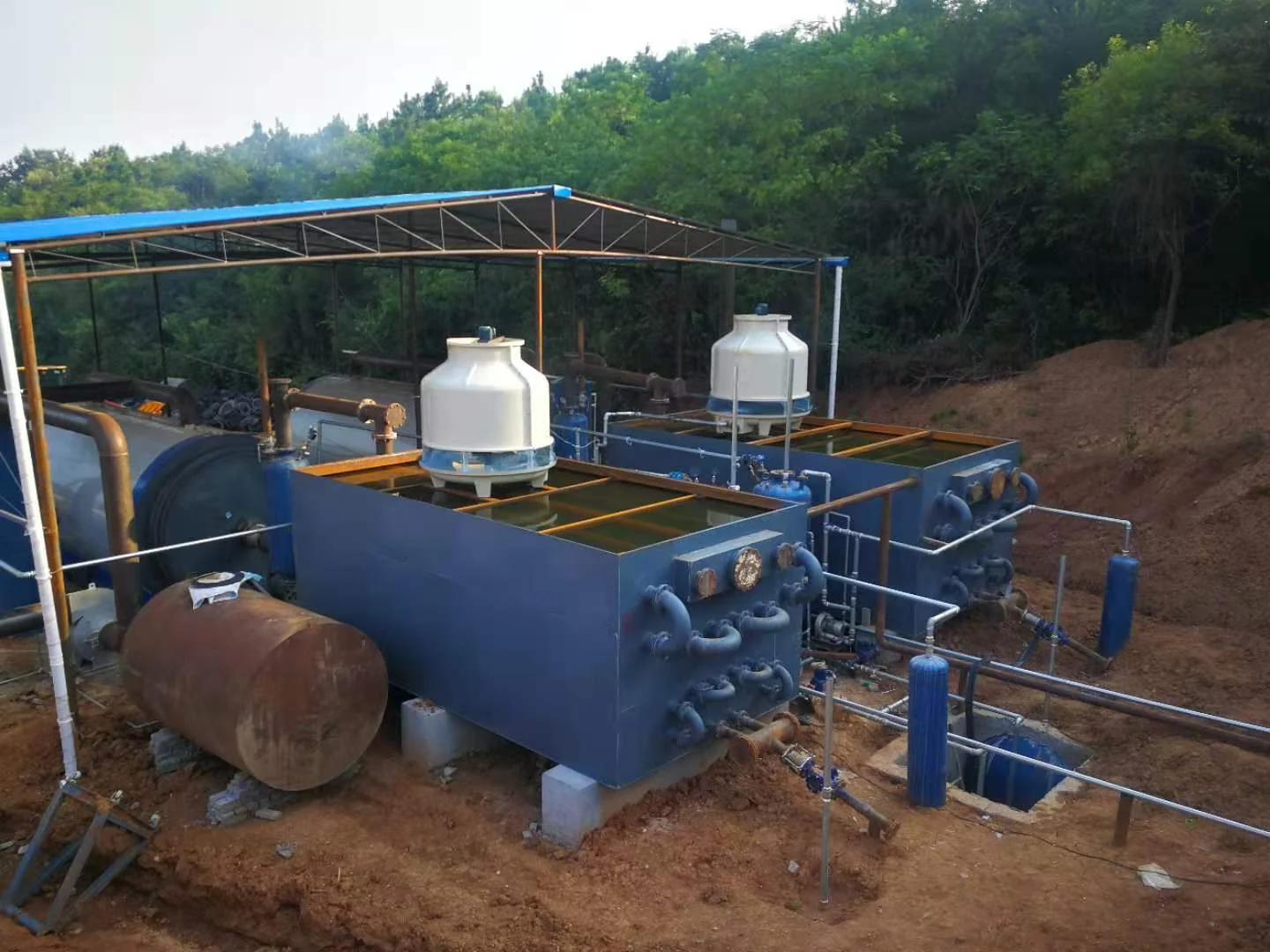
Общий вид двухмодульной пиролизной площадки периодического действия в Чжунсян, Хубэй, с показом зоны реактора и расположения площадки вокруг. Фото сделано во время установки и ввода в эксплуатацию в 2018.
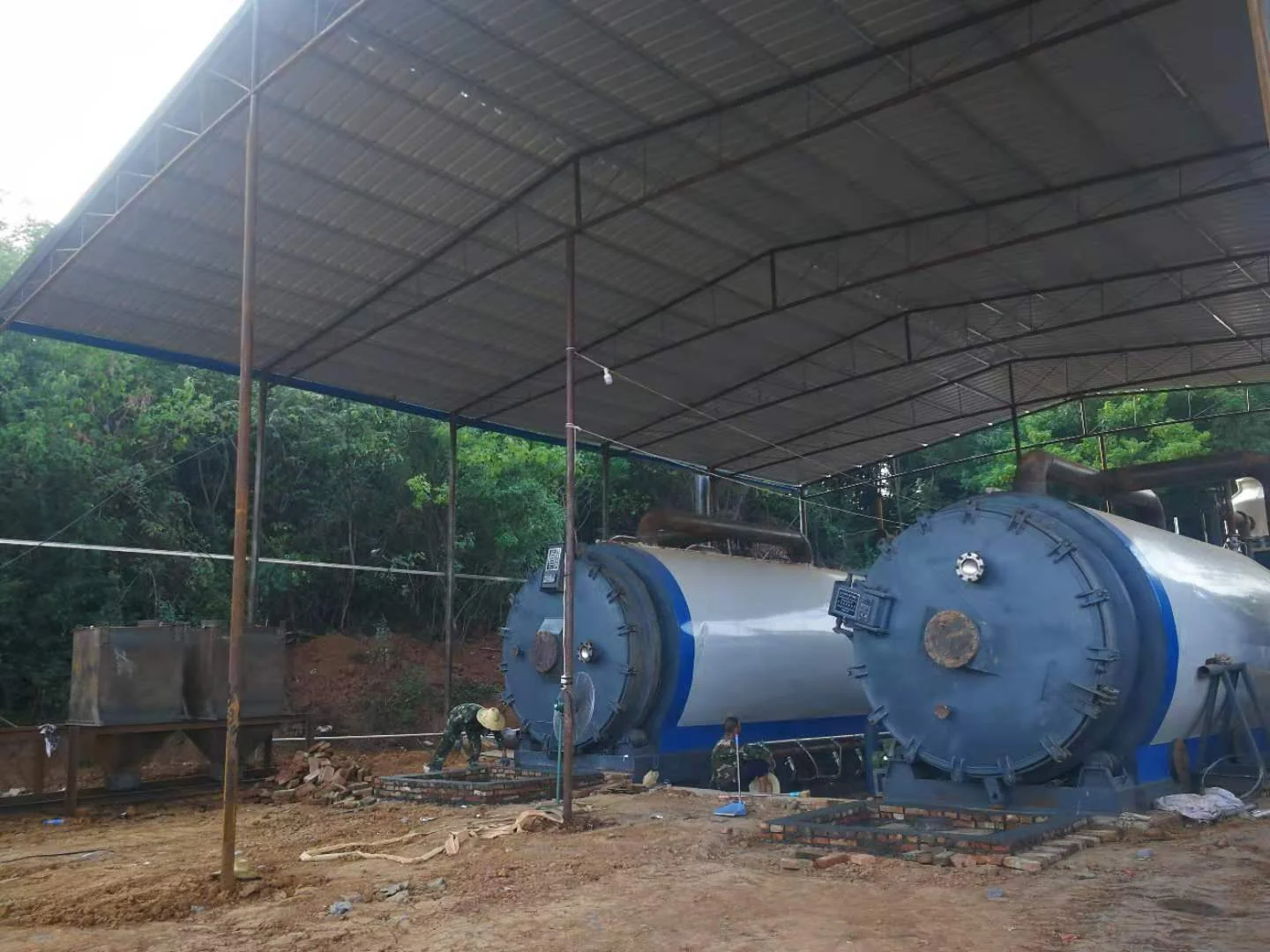
Детальный вид схемы загрузки сырья на установке в Чжунсян, Хубэй. Фото сделано во время установки и ввода в эксплуатацию в 2018.
Технические характеристики проекта
| Элемент | Техническая спецификация проекта |
|---|---|
| Местоположение | Чжунсян, Хубэй, Китай |
| Год проекта | 2018 |
| Статус | Архивный проект - введён в эксплуатацию и сдан в 2018; текущий эксплуатационный статус не проверялся самостоятельно |
| Сырье | Отработанные шины (целые или нарезанные) |
| Система | Периодическая горизонтальная ротационная пиролизная установка (XY-8-P) |
| Количество единиц | 2 |
| Мощность на единицу | 12 т/сут (проектная мощность) |
| Суммарная проектная мощность | 24 TPD |
| Модель производства | Периодическая, с чередующимся графиком двух модулей; модули могут быть соединены последовательно |
| Основные извлекаемые потоки | Пиролизное масло (топочный мазут), извлеченные углеродистые материалы, стальная проволока; неконденсируемый газ может быть возвращен в систему нагрева при условии, что установленные проектные и эксплуатационные параметры это позволяют |
| Поставщик | ШанцюJinpeng Industrial Co., Ltd. (PYROJIN) |
Что демонстрирует проект
Справочная ценность этого проекта заключается в полноте модели комплекта. Для малого предприятия, оценивающего свою первую пиролизную установку, конфигурация Чжунсян показывает, что требуется от двух единиц до первого запуска: подготовленная территория, разделённое и осушенное хранилище, охлаждающая вода и электроэнергия, а также режим работы, который поддерживает продуктивность небольшой бригады в течение дня. Она также показывает, что может вернуть объект с двумя единицами: совокупная проектная мощность 24 тонн в день, которую реально может обеспечить районное водосборное бассейн, и планировку, которая превращает будущий рост в добавление идентичных линий без необходимости переработки.
Оценщикам следует обратить внимание на три момента: зарезервирована ли на площадке возможность расширения, разделено и дисциплинировано ли хранилище с первого дня, и соответствует ли график партий и численность бригады объёмам поступления сырья. Когда эти три условия выполняются, модель с двумя единицами работает как первый шаг и как фундамент.
О Jinpeng
Shangqiu Jinpeng Industrial Co., Ltd. разрабатывает и производит периодические, полунепрерывные и непрерывные пиролизные установки, системы дистилляции масла и вспомогательное оборудование для утилизации шин, пластиковых отходов, нефтяных шламов, материалов на основе резины и других подходящих углеродосодержащих сырьевых материалов. Конфигурация проекта разрабатывается с учетом характеристик материалов, производственных целей, условий объекта и применимых местных требований. Для обсуждения проектов посетите www.pyrolysis-machine.com.
Отказ от ответственности
Показатели мощности - это проектные значения; фактическая пропускная способность зависит от характеристик сырья и условий эксплуатации. Урожайность и свойства продукта - включая качество пиролизного масла и извлеченного углеродного материала - требуют тестирования на конкретном месте и не гарантируются этим документом. Энергопотребление и эффективность выбросов зависят от установленных вспомогательных систем и фактической эксплуатации, а окончательный проект станции должен соответствовать применимым местным нормам.
Примечание архива: Этот ретроспективный обзор основан на проектных записях Jinpeng и фотографиях из периода первоначальной поставки и ввода в эксплуатацию. Он описывает задокументированную конфигурацию проекта и не является подтверждением текущего состояния работы завода.